
Introduction
Many patients with compromised immune systems worry about whether they can safely receive dental implants to replace missing teeth. This concern often leads people to search online for guidance before discussing their options with a dental professional, particularly when they're managing conditions that affect their body's natural healing processes.
Understanding the relationship between immune system function and dental implant success is crucial for making informed decisions about tooth replacement options. Patients with weakened immune systems may face additional considerations during the implant process, but this doesn't automatically disqualify them from treatment.
A compromised immune system can result from various conditions including diabetes, autoimmune disorders, cancer treatments, or certain medications. Each situation requires careful evaluation to determine the most appropriate approach to dental care. This article explores the key factors that influence dental implant success in patients with immune system concerns, helping you understand what to expect and when professional dental assessment may be beneficial for your specific circumstances.
Can People with Weakened Immune Systems Have Dental Implants?
People with weakened immune systems may be candidates for dental implants, but require careful evaluation and individualised treatment planning. Success depends on the specific condition, overall health status, and ability to heal properly following surgical procedures.
Understanding Immune System Function and Dental Implants
The immune system plays a vital role in the dental implant process, particularly during the initial healing phase when the titanium implant integrates with the surrounding bone tissue. This process, known as osseointegration, typically takes several months and requires the body's natural healing mechanisms to function effectively.
When the immune system is compromised, several factors can influence implant success. The body's ability to fight infection may be reduced, potentially increasing the risk of complications around the implant site. Additionally, the healing process may be slower or less predictable, requiring extended recovery periods and more frequent monitoring.
However, having a weakened immune system doesn't automatically prevent someone from receiving dental implants. Many patients with controlled immune conditions have successfully received implants with appropriate treatment modifications. The key lies in understanding the specific nature of the immune compromise and how it might affect the treatment process.
Modern dental techniques and careful patient selection have improved outcomes for patients with various health conditions. Each case requires individual assessment to determine the most suitable approach and timing for dental implant treatment.
Common Conditions That Affect Immune Function
Several medical conditions can compromise immune system function, each presenting unique considerations for dental implant candidacy. Diabetes is one of the most common conditions that affects healing, as elevated blood sugar levels can impair the body's ability to repair tissues and fight infection. Well-controlled diabetes may not prevent implant treatment, but requires careful management throughout the process.
Autoimmune conditions such as rheumatoid arthritis, lupus, or inflammatory bowel disease can affect the immune response in different ways. Some patients take medications that suppress immune function to manage their condition, which may influence implant healing. Cancer patients receiving chemotherapy or radiation therapy often experience temporary immune suppression that may affect treatment timing.
HIV/AIDS, organ transplant recipients taking anti-rejection medications, and patients on long-term corticosteroid therapy also fall into categories requiring special consideration. Each of these conditions affects the immune system differently, and treatment planning must account for the specific challenges they present.
Age-related immune changes in older adults may also influence implant success, though advanced age alone is not typically a contraindication for treatment. The overall health picture, rather than any single factor, guides treatment decisions.
Treatment Considerations and Modifications
When treating patients with compromised immune systems, dental professionals may recommend several modifications to standard implant protocols. Pre-surgical health optimisation becomes particularly important, which might include working with medical specialists to ensure underlying conditions are well-controlled before proceeding with surgery.
Antibiotic prophylaxis may be prescribed before and after surgery to reduce infection risk. The specific antibiotic regimen depends on the patient's medical history and the nature of their immune compromise. Some patients may require extended antibiotic coverage compared to those with normal immune function.
Surgical techniques may be modified to minimise trauma and promote optimal healing conditions. This might include using less invasive approaches, placing fewer implants in a single session, or allowing longer healing periods between treatment phases. Some patients benefit from a staged approach, where implants are placed gradually rather than all at once.
Post-operative monitoring typically becomes more intensive, with more frequent follow-up appointments to assess healing progress and identify any complications early. Patients may need to maintain stricter oral hygiene protocols and use specialised mouth rinses to support healing and prevent infection.
The Science Behind Implant Integration
Successful dental implant treatment relies on the biological process of osseointegration, where the titanium implant forms a direct structural connection with living bone tissue. This process involves complex interactions between immune cells, bone-forming cells, and the implant surface that occur over several months.
Initially, the body responds to implant placement as it would to any surgical procedure, with an inflammatory response that begins the healing process. Immune cells migrate to the implant site to clear debris and prepare the area for new tissue formation. In patients with compromised immune function, this initial response may be altered or delayed.
The next phase involves bone cells called osteoblasts beginning to form new bone tissue directly on the implant surface. This requires adequate blood supply, proper nutrition, and appropriate cellular signalling processes. Immune system factors influence many of these processes, which is why immune compromise can affect integration success.
Understanding this biological process helps explain why careful patient selection and treatment modification are essential for patients with weakened immune systems. Supporting the body's natural healing mechanisms through optimal health management improves the chances of successful implant healing outcomes.
When Professional Dental Assessment May Be Needed
Patients with compromised immune systems should seek professional dental evaluation if they experience persistent oral symptoms or are considering tooth replacement options. Signs that warrant prompt attention include ongoing tooth pain, swelling in the gums or face, loose teeth, or difficulty eating due to missing teeth.
If you're managing a condition that affects immune function and have missing teeth, early consultation allows for proper treatment planning and coordination with your medical team. This collaborative approach ensures that dental treatment aligns with your overall health management strategy.
Patients experiencing new symptoms around existing dental work, including implants, should also seek evaluation. Changes in gum appearance, persistent bleeding, or unusual pain may indicate complications that require professional attention. Early intervention often leads to better outcomes and prevents more complex problems from developing.
Before starting any new medications that might affect immune function, discussing the implications for existing or planned dental treatment helps maintain optimal oral health outcomes.
Oral Health Maintenance for Immune-Compromised Patients
Maintaining excellent oral health becomes even more critical for patients with weakened immune systems, as oral infections can have more serious consequences than in healthy individuals. A comprehensive daily oral care routine forms the foundation of good oral health and supports successful dental treatment outcomes.
Brushing twice daily with fluoride toothpaste and regular flossing help remove bacterial plaque that can lead to infection. Electric toothbrushes may provide more effective plaque removal for some patients, particularly those with limited dexterity due to arthritis or other conditions.
Antimicrobial mouth rinses may be recommended to provide additional protection against harmful bacteria. Some patients benefit from prescription-strength rinses, particularly during periods when immune function is most compromised, such as during cancer treatment.
Regular professional dental cleanings and examinations become especially important for monitoring oral health status and identifying potential problems early. The frequency of these visits may be increased based on individual risk factors and treatment needs.
Nutrition also plays a role in supporting immune function and oral health. A balanced diet rich in vitamins and minerals supports healing and helps maintain strong teeth and healthy gums.
Key Points to Remember
- People with weakened immune systems may be candidates for dental implants with careful evaluation and modified treatment protocols
- Success depends on the specific immune condition, overall health control, and individual healing capacity
- Treatment modifications may include antibiotic prophylaxis, staged procedures, and intensive monitoring
- Excellent oral hygiene and regular professional care are essential for optimal outcomes
- Collaboration between dental and medical teams improves treatment success rates
- Early consultation allows for better treatment planning and health coordination
Frequently Asked Questions
How long does healing take for dental implants in immune-compromised patients?
Healing times may be extended in patients with weakened immune systems, and osseointegration may take longer than the typical timeframe seen in healthy patients. The exact duration varies considerably depending on the specific condition affecting immune function, how well it is controlled, and individual healing factors. Your dental team will monitor progress closely and adjust treatment timelines based on your individual recovery.
Are there alternatives to dental implants for people with immune system problems?
Yes, several alternatives exist including removable dentures, fixed bridges, and implant-supported dentures that may require fewer implants. The best option depends on your specific health situation, the number of missing teeth, and your treatment goals. Some patients may benefit from starting with removable options and transitioning to implants once their health condition stabilises.
Can medications for immune conditions interfere with dental implant success?
Certain medications, particularly those that suppress immune function or affect bone metabolism, may influence implant success. These include corticosteroids, chemotherapy drugs, and some biologics used for autoimmune conditions. Your dental team will review all medications during treatment planning and may coordinate with your medical doctors to optimise timing and protocols.
What signs might indicate implant complications in immune-compromised patients?
Warning signs include persistent pain, swelling that doesn't improve, unusual discharge, fever, or implant mobility. Because immune-compromised patients may be at higher risk for complications, it's important to report any concerning symptoms promptly. Regular monitoring appointments help identify issues early when they're easier to address successfully.
Is it safe to have multiple dental implants placed if my immune system is compromised?
This depends on your specific health status and the extent of immune compromise. Many patients can successfully receive multiple implants, but treatment may be staged over time rather than completed in a single session. This approach reduces surgical stress and allows for better healing monitoring between procedures.
How can I improve my chances of successful dental implant treatment?
Optimising control of underlying health conditions, maintaining excellent oral hygiene, following all pre and post-operative instructions, avoiding smoking, and attending all follow-up appointments significantly improve success rates. Working closely with both your medical and dental teams ensures coordinated care that supports the best possible outcomes.
Conclusion
Patients with weakened immune systems can often receive dental implants successfully with appropriate evaluation, treatment modifications, and ongoing monitoring. While immune compromise presents additional considerations, many people with controlled health conditions achieve excellent long-term outcomes with proper care coordination between dental and medical professionals.
The key to success lies in individualised treatment planning that accounts for your specific health situation, immune status, and healing capacity. Modern dental techniques and improved understanding of immune system effects on healing have expanded treatment options for many patients who might previously have been considered unsuitable candidates.
Working with experienced dental implant professionals who understand the complexities of treating immune-compromised patients ensures that you receive care tailored to your unique needs. This collaborative approach, combined with excellent oral hygiene and regular monitoring, provides the foundation for successful dental implant outcomes.
Disclaimer: This article is for general educational information only and is not personalised dental advice. Diagnosis and treatment recommendations require a clinical examination by a qualified dental professional.
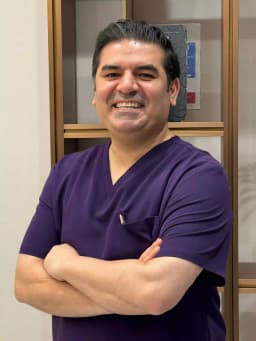
Cosmetic Dentistry Clinic
Cosmetic Dental Team at Cosmetic Dentistry Clinic
With years of experience in cosmetic and restorative dentistry, Cosmetic is dedicated to helping patients achieve their perfect smile through personalised care and cutting-edge techniques.