Dental Concerns
Crossbite Treatment | Cosmetic Dentistry Clinic
Learn about crossbite, its causes, bite effects, and when professional dental assessment may help guide treatment options.
A crossbite is a type of dental misalignment where one or more upper teeth sit inside the lower teeth when biting together. This variation in bite positioning can affect the front teeth — known as an anterior crossbite — or the back teeth, referred to as a posterior crossbite. It may involve a single tooth or extend across several teeth on one or both sides of the mouth.
While some individuals may not notice any immediate symptoms, a crossbite can influence both the function and appearance of the bite over time. Professional dental assessment can help evaluate the nature of the misalignment, its potential effects on oral health, and whether any form of management may be beneficial.
What Is a Crossbite?
In a well-aligned bite, the upper teeth typically sit slightly outside the lower teeth when the mouth is closed. A crossbite occurs when this relationship is reversed — one or more upper teeth are positioned behind or inside the corresponding lower teeth. This altered alignment may be present from childhood, developing as the teeth and jaws grow, or it may emerge later due to changes in tooth position over time.
A crossbite may affect a single tooth, a small group of teeth, or an entire arch. The condition can vary in severity, and not all crossbites cause immediate discomfort or functional difficulty. However, because the bite does not meet in the expected position, certain teeth may be subjected to different forces than they are designed to withstand, which may have longer-term implications for dental health.
A thorough dental examination, which may include diagnostic imaging, allows your dentist to assess the extent and type of crossbite and determine whether any intervention may be appropriate.
Common Causes of a Crossbite
A crossbite can develop due to a variety of factors, and in many cases, several contributing influences may be involved. Understanding the underlying causes can help inform the most appropriate approach to management.
Contributing Factors
- ◇Genetic factors — Inherited characteristics that influence jaw size, shape and the relative proportions of the upper and lower jaws
- ◇Jaw development — Differences in the rate or extent of upper and lower jaw growth during childhood and adolescence
- ◇Irregular tooth eruption — Delayed, early or atypical eruption patterns that may cause teeth to emerge in unexpected positions
- ◇Childhood habits — Prolonged thumb sucking, dummy use or tongue thrusting may influence jaw and dental arch development
- ◇Narrow upper jaw — A constricted upper dental arch may result in the upper teeth sitting inside the lower teeth, particularly at the back of the mouth
- ◇Dental crowding — Insufficient space within the dental arch may force individual teeth into crossbite positions
In many instances, a crossbite results from a combination of genetic predisposition and developmental factors rather than a single identifiable cause. A professional dental assessment can help clarify the contributing influences in each individual case.
When a Crossbite May Need Professional Assessment
Not every crossbite requires immediate treatment, but there are circumstances in which seeking a professional dental evaluation is advisable. Being aware of the signs can help individuals make informed decisions about when to arrange an appointment.
Consider Professional Assessment If
- ◇You notice uneven contact between the upper and lower teeth when biting together
- ◇Chewing feels uncomfortable, uneven or less efficient than expected
- ◇You have concerns about uneven tooth wear or changes in tooth alignment
- ◇The positioning of your teeth affects your confidence in the appearance of your smile
- ◇You experience jaw discomfort, clicking or tension that may be related to bite alignment
A routine dental check-up provides an opportunity for your dentist to assess bite alignment as part of a comprehensive oral health evaluation, even in the absence of specific symptoms.
Functional and Aesthetic Considerations
A crossbite may influence the way forces are distributed across the teeth during biting and chewing. When certain teeth bear more pressure than others due to misalignment, this may affect tooth wear patterns over time. The extent of any functional impact depends on the severity and location of the crossbite, as well as individual factors such as jaw muscle activity and overall bite dynamics.
From an aesthetic perspective, a crossbite may affect the symmetry and appearance of the smile. Teeth that sit in an unexpected position can create an uneven appearance that some individuals find affects their confidence. In anterior crossbites, the visual impact may be more noticeable, as the front teeth are prominently visible when smiling or speaking.
Professional dental assessment may help evaluate both the functional and aesthetic aspects of a crossbite, providing a clear understanding of any potential implications and the available options for management. Treatment depends on clinical evaluation, and options vary depending on the nature and extent of the misalignment.
Orthodontic and Restorative Management Options
The most appropriate approach to managing a crossbite depends on the type and severity of the misalignment, the number of teeth involved, and the individual’s overall oral health. Following a thorough clinical assessment, your dentist or orthodontist can discuss the options most suited to your circumstances.
Possible Management Approaches
- ◇Orthodontic treatment — Clear aligners or fixed braces may be considered to gradually reposition teeth into improved alignment over a planned treatment period
- ◇Palatal expansion — In cases involving a narrow upper jaw, expansion appliances may be recommended, particularly in younger patients where jaw growth is still occurring
- ◇Composite bonding — Cosmetic bonding may be used in some cases to adjust tooth shape and improve the appearance of mild crossbite-related concerns
- ◇Dental crowns — Crowns may be considered where teeth have been significantly affected by wear or damage related to the crossbite
- ◇Combined approaches — In some situations, a combination of orthodontic and restorative treatments may be recommended to address both alignment and tooth structure
Treatment planning is always guided by individual clinical findings. Your dentist will discuss the expected process, realistic outcomes and any considerations specific to your case before any treatment begins.
General Guidance Before Assessment
While a crossbite should be evaluated by a dental professional to determine whether any management is appropriate, there are some general considerations that may be helpful in the meantime.
Practical Considerations
- ◇Maintain thorough oral hygiene — Careful brushing and flossing are particularly important in areas where teeth overlap or sit in unusual positions, as these areas may be harder to clean effectively
- ◇Be mindful of bite pressure — If you are aware of uneven contact when biting, try to distribute chewing across both sides of the mouth where comfortable
- ◇Monitor changes — Note any changes in comfort, tooth alignment or jaw function, as this information may be helpful during your dental assessment
- ◇Arrange professional evaluation — A dental check-up can provide a clear picture of your bite alignment and help guide any next steps
Assessment and advice for crossbite and bite alignment are available at our London clinic, where professional evaluation can help determine the most appropriate course of care.
Crossbite Assessment
If you are concerned about bite alignment or tooth positioning, a professional dental assessment can help determine whether orthodontic or restorative care may be appropriate. Our experienced dental team can evaluate your bite and discuss the options best suited to your individual needs.
Book a ConsultationRelated Treatments
Comprehensive oral health evaluation
Invisible BracesDiscreet orthodontic alignment
Composite BondingReshaping teeth for improved appearance
Dental CrownsRestoring damaged or weakened teeth
Dental BridgesReplacing missing teeth with fixed restorations
Dental ImplantsPermanent replacement for missing teeth
This page provides general information about crossbite and bite alignment. It is not a substitute for professional dental advice, diagnosis or treatment. Individual circumstances vary and a clinical examination is required before any treatment recommendations can be made.
Cosmetic Dentistry Clinic
20 Old Brompton Road, South Kensington, London, SW7 3DL
Expert Insight
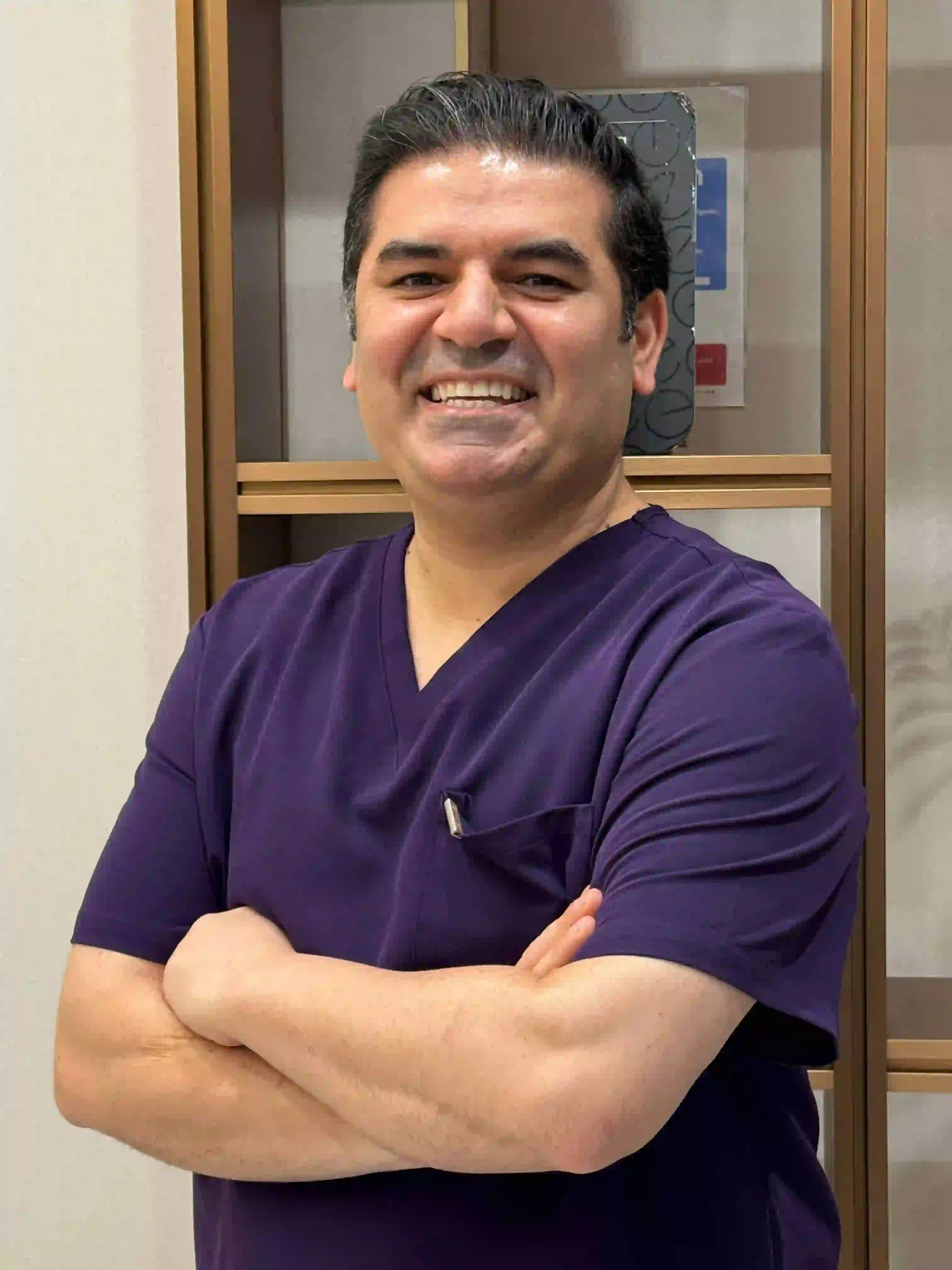
"We approach crossbite not just as a procedure, but as a pivotal restoration of self. Precision is our baseline; artistry is our signature."
— Dr. Yasha Y Shirazi
GDC: 195843
The Process
- 01.
Comprehensive Diagnostics & 3D Imaging.
- 02.
Bespoke Treatment Planning & Aesthetic Calibration.
- 03.
Precision Execution & Final Artistry.
Benefits
- Improved Facial Harmony
- Restored Function & Longevity
- Seamless, Natural Aesthetics
Location
Cosmetic Dentistry Clinic20 Old Brompton Road
South Kensington
London, SW7 3DL
Located 2 minutes walk from South Kensington Station.
Opening Hours
- Mon - Wed09:00 - 18:00
- Thu09:00 - 20:00
- Fri09:00 - 17:00
- Sat10:00 - 16:00
- Sun10:00 - 16:00
Uncompromising Standards
True artistry requires a foundation of absolute safety. Our practice operates under the strictest clinical governance, ensuring that your journey is as safe as it is transformative. We are fully regulated, transparent, and dedicated to the highest tenets of medical ethics.

Begin Your Journey
Private consultations available in South Kensington and the City of London. Join our membership for exclusive courtesies.