Dental Concerns
Receding Gums | Cosmetic Dentistry Clinic
Learn about receding gums, their causes, symptoms, and when professional dental assessment may be appropriate.
Receding gums — a condition in which the gum tissue gradually moves away from the tooth surface — is one of the more common concerns encountered in general and periodontal dentistry. As gum recession progresses, more of the tooth or even part of the root may become visible. The process can develop slowly over months or years, sometimes without any noticeable discomfort in the early stages. Because gum recession may affect both the appearance and comfort of the teeth, professional dental assessment can help identify the underlying cause and guide appropriate care.
What Is Gum Recession?
Gum recession refers to the loss or gradual withdrawal of gum tissue from around one or more teeth. When the gum margin recedes, it may expose areas of the tooth that are normally protected, including the root surface. This exposure can sometimes lead to increased sensitivity, changes in appearance and, in more advanced cases, an increased risk of further oral health concerns.
Gum recession may affect a single tooth or several teeth simultaneously. In many cases, the early stages develop without obvious symptoms — the gum line simply appears lower or uneven over time. Some patients first notice the condition when their teeth appear longer than usual or when they experience a new sensitivity to hot, cold or sweet foods. Not all cases of recession cause significant discomfort, particularly in the early stages, but ongoing monitoring is generally advisable.
Common Causes of Receding Gums
Gum recession can result from a range of contributing factors. In many instances, more than one cause may be involved, making professional assessment an important step in identifying the most relevant contributors.
- ◇Gum disease (periodontal disease) — Bacterial infection and chronic inflammation of the gums is one of the most common causes of gum recession. As the infection progresses, it may damage the gum tissue and the bone that supports the teeth, leading to gradual withdrawal of the gum line. Gum disease treatment may help manage this process.
- ◇Aggressive tooth brushing — Brushing with excessive pressure or using a hard-bristled toothbrush may gradually wear away gum tissue over time, even in the absence of gum disease.
- ◇Plaque and tartar build-up — When plaque is not effectively removed through daily oral hygiene, it can harden into tartar along the gum line, encouraging inflammation and contributing to gum tissue loss.
- ◇Teeth grinding or clenching (bruxism) — Habitual grinding places excessive force on the teeth and surrounding tissues, which may contribute to gum recession over time, particularly along the front teeth.
- ◇Natural ageing or genetic factors — Some degree of gum recession may occur naturally with age. Genetic predisposition can also influence gum thickness and resilience, making certain individuals more susceptible to recession.
Understanding which factors are most relevant to your situation is an important part of developing an appropriate management plan. A thorough dental assessment can help clarify the primary contributors.
When Gum Recession May Need Professional Assessment
Because gum recession often develops gradually, it can be difficult to notice until changes become more pronounced. A professional dental review may be appropriate if you experience any of the following:
- ◇Gum levels appear to be changing or the teeth look longer than before
- ◇Teeth have become more sensitive to hot, cold or sweet foods and drinks
- ◇There is visible root exposure or darkening at the gum line
- ◇Gums bleed during brushing or flossing, or show signs of redness and swelling
- ◇A notch can be felt at the gum line when running a fingernail along the tooth
These signs do not necessarily indicate a serious condition, but they may warrant further investigation. Early assessment often allows for more conservative management approaches and may help prevent further progression.
Effects on Oral Health and Sensitivity
Gum recession may have several effects on both oral health and day-to-day comfort. When the root surface of a tooth becomes exposed, it lacks the protective enamel coating that covers the crown of the tooth. This means the exposed area may be more vulnerable to sensitivity, decay and physical wear.
Increased sensitivity to temperature changes is one of the most commonly reported symptoms. Patients may notice sharp or uncomfortable sensations when consuming hot, cold or sweet foods and drinks. In some cases, even cold air may trigger a response.
Beyond sensitivity, gum recession may affect the structural support of the teeth. The gums and the underlying bone work together to hold teeth firmly in place. When gum tissue recedes significantly, the stability of the affected teeth may be compromised over time. Oral hygiene can also become more challenging in areas of recession, as the exposed root surfaces and altered gum contours may be more difficult to clean effectively.
Professional dental assessment may help evaluate the extent of recession and its impact on oral health, guiding decisions about whether further care is appropriate. Treatment outcomes depend on clinical evaluation and individual circumstances.
Management and Professional Care
The management of receding gums typically begins with a thorough dental examination. During this assessment, a dentist may evaluate gum health, measure recession levels, check for signs of gum disease and assess overall oral hygiene. Based on the findings, a tailored approach to care may be recommended.
- ◇Professional cleaning — A dental hygienist may perform a thorough scale and polish to remove plaque and tartar from the gum line and below, helping to create a healthier environment for the gum tissues.
- ◇Brushing technique guidance — Personalised advice on gentle brushing methods, appropriate toothbrush selection and interdental cleaning may be provided to help prevent further recession.
- ◇Periodontal treatment — Where gum disease is a contributing factor, targeted periodontal care may be recommended to address the underlying inflammation and halt further tissue loss.
- ◇Restorative options — In some cases, composite bonding may be used to cover exposed root surfaces, helping to reduce sensitivity and improve appearance. Dental crowns may also be considered where structural protection is needed.
- ◇Ongoing monitoring — Regular dental check-ups and hygiene appointments may help monitor gum health and identify any changes early.
If gum recession is associated with acute pain, infection or a dental emergency, our emergency dental service is available to provide prompt assessment and care.
Temporary Measures Before Assessment
While professional dental assessment is the most effective way to address receding gums, the following general measures may help manage symptoms in the interim:
- ◇Use a soft-bristled toothbrush and apply gentle pressure when brushing, particularly along the gum line
- ◇Maintain consistent oral hygiene, including interdental cleaning with floss or interdental brushes
- ◇Use a desensitising toothpaste if sensitivity is present, as this may help reduce discomfort temporarily
- ◇Avoid further irritation to the gums, such as aggressive brushing, tobacco use or very hard foods
- ◇Arrange a professional dental assessment if symptoms persist, worsen or cause concern
These steps are intended as supportive measures and are not a substitute for professional evaluation and care.
Gum Health Assessment
If you notice signs of receding gums, a professional dental assessment can help identify possible causes and determine whether further care may be appropriate. Assessment and advice for receding gums and related symptoms are available at our London clinic, where professional evaluation can help determine the most appropriate course of care.
Related Treatments
Professional periodontal care to address gum inflammation, infection and tissue loss. Dental Hygienist
Professional cleaning to remove plaque and tartar and support healthy gum tissues. Dental Check-up
Routine examination to assess oral health, monitor gum levels and guide preventive care. Composite Bonding
Tooth-coloured bonding that may help cover exposed roots and reduce sensitivity. Dental Crowns
Restorative crowns to protect and strengthen teeth affected by significant recession.
This information is for general educational purposes and does not constitute dental advice. Every patient's circumstances are different, and treatment outcomes depend on individual clinical assessment. Please consult a qualified dental professional for advice tailored to your situation.
Cosmetic Dentistry Clinic, 20 Old Brompton Road, South Kensington, London SW7 3DL. Registered with the Care Quality Commission (CQC). All treatments are carried out by GDC-registered dental professionals.
Expert Insight
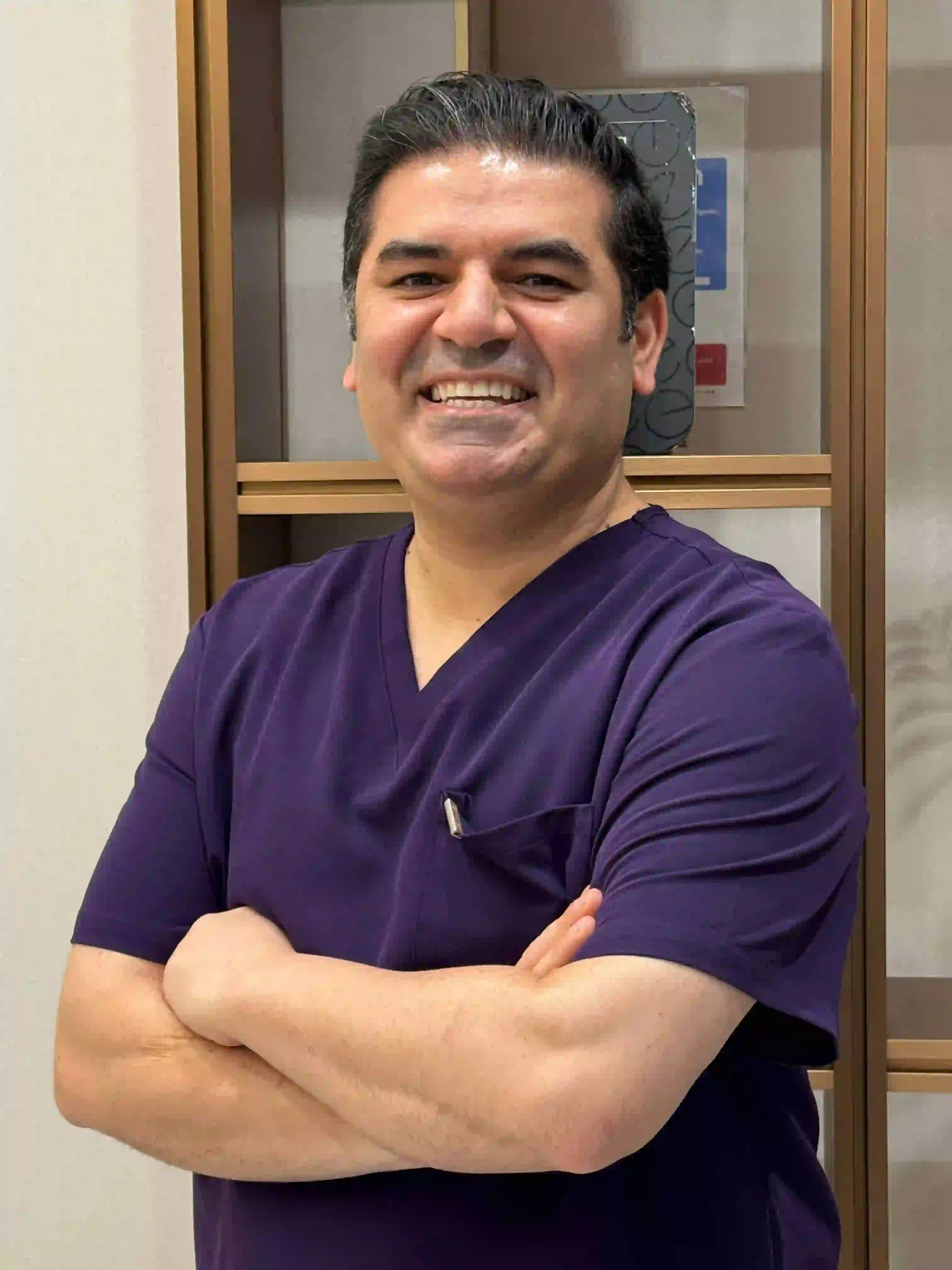
"We approach receding gums not just as a procedure, but as a pivotal restoration of self. Precision is our baseline; artistry is our signature."
— Dr. Yasha Y Shirazi
GDC: 195843
The Process
- 01.
Comprehensive Diagnostics & 3D Imaging.
- 02.
Bespoke Treatment Planning & Aesthetic Calibration.
- 03.
Precision Execution & Final Artistry.
Benefits
- Improved Facial Harmony
- Restored Function & Longevity
- Seamless, Natural Aesthetics
Location
Cosmetic Dentistry Clinic20 Old Brompton Road
South Kensington
London, SW7 3DL
Located 2 minutes walk from South Kensington Station.
Opening Hours
- Mon - Wed09:00 - 18:00
- Thu09:00 - 20:00
- Fri09:00 - 17:00
- Sat10:00 - 16:00
- Sun10:00 - 16:00
Uncompromising Standards
True artistry requires a foundation of absolute safety. Our practice operates under the strictest clinical governance, ensuring that your journey is as safe as it is transformative. We are fully regulated, transparent, and dedicated to the highest tenets of medical ethics.

Begin Your Journey
Private consultations available in South Kensington and the City of London. Join our membership for exclusive courtesies.