Dental Concerns
Broken Denture Repair | Cosmetic Dentistry Clinic
Learn common causes of broken dentures, potential effects on comfort and chewing, and when professional dental assessment may help.
Dentures are designed to restore both function and appearance when natural teeth are missing, and for many people they become an essential part of daily life. However, like any prosthetic appliance, dentures are subject to wear and can occasionally become damaged or fractured — whether through accidental dropping, gradual material fatigue, or changes in the underlying jaw and gum structures over time.
A broken denture may involve a crack running through the base, a complete fracture splitting the denture into pieces, or damage to one or more of the artificial teeth. Whatever the nature of the breakage, it can affect comfort, stability and the ability to eat and speak with confidence.
This page provides general information only and does not constitute a diagnosis. If your denture is damaged, we recommend arranging a dental assessment so we can evaluate the damage and advise on the most appropriate course of action.
What Is a Broken Denture?
A broken denture refers to any structural damage that compromises the integrity of the denture base (the pink acrylic that sits against the gums) or the artificial teeth attached to it. The damage may present in several ways:
- Hairline cracks — fine fractures in the acrylic base that may worsen under continued use
- Complete fractures — the denture splits into two or more distinct pieces
- Detached teeth — one or more of the artificial teeth loosens or falls out of the base
- Chipped or worn teeth — the biting surfaces of artificial teeth become damaged or excessively worn
- Warping or distortion — the denture no longer conforms to the shape of the gum ridge
It is worth noting that not all denture damage causes immediate pain or discomfort. A small crack may go unnoticed initially but can gradually worsen, eventually affecting the denture’s fit and function. Regular dental check-ups can help identify wear and damage before it becomes a more significant problem.
Common Causes of Denture Breakage
Denture damage can result from a number of factors, and in many cases several of these may contribute together:
Accidental Dropping
Dentures are commonly damaged when they are accidentally dropped — most often during cleaning or removal. Acrylic denture bases, while durable in normal use, can crack or fracture upon impact with hard surfaces such as bathroom tiles or porcelain sinks.
Natural Wear of Materials
Denture materials gradually weaken over years of daily use. The acrylic base may develop micro-fractures from repeated flexing during chewing, and the artificial teeth may wear down, altering the bite relationship. Most dentures have a functional lifespan and may eventually need replacement.
Changes in Jaw and Gum Shape
After tooth loss, the underlying bone gradually remodels and the gum tissue changes shape. This means a denture that once fitted well may gradually lose its close adaptation to the gum ridge. A poorly fitting denture rocks and flexes more during use, increasing the likelihood of fracture.
Excessive Chewing Pressure
Biting into very hard foods or using dentures to bite objects (such as packaging) places concentrated stress on the denture base and teeth. Over time, repeated high forces can weaken the structure and lead to cracks or breakage.
Previous Repairs or Ageing Materials
Dentures that have been repaired previously may have areas of structural weakness at the repair sites. Additionally, older denture materials may become more brittle and prone to fracture compared to newer, more resilient acrylic formulations.
When a Broken Denture May Need Professional Assessment
While minor surface scratches on a denture may not require immediate attention, there are circumstances in which professional review is advisable:
If your denture is causing pain or significant irritation, you may wish to contact our emergency dentist service for prompt advice.
Oral Health and Functional Effects of a Broken Denture
Continuing to wear a damaged denture may lead to a number of functional and comfort-related issues:
- Reduced chewing efficiency — cracks or missing teeth on the denture may make it harder to chew food thoroughly, which can affect nutrition and digestion
- Soft tissue irritation — sharp or rough edges from a fractured denture base may rub against the gums, cheeks or tongue, causing sore spots or ulceration
- Uneven pressure distribution — a warped or poorly fitting denture may place uneven pressure on the gum ridge, potentially contributing to discomfort and accelerating bone resorption
- Speech difficulties — an unstable or ill-fitting denture may affect pronunciation and confidence when speaking
- Increased risk of further breakage — continuing to use a cracked denture typically worsens the damage over time
Professional dental assessment can help evaluate both the condition of the denture and the health of the underlying oral tissues, ensuring that any repair or replacement addresses both function and comfort.
Professional Repair or Replacement Options
The most appropriate approach to managing a broken denture depends on the nature and extent of the damage, as well as the overall condition of the denture and the patient’s oral health. Following clinical assessment, options may include:
Denture Repair
For clean fractures or minor damage, the denture base may be repaired using dental-grade acrylic. Detached artificial teeth can often be re-bonded to the base. The suitability of repair depends on the location and severity of the damage.
Denture Reline or Rebase
If changes in the gum ridge have contributed to poor fit and subsequent breakage, a reline (adding material to the fitting surface) or a complete rebase may help restore a secure, comfortable fit and reduce the risk of future fracture.
New Denture Fabrication
When structural damage is extensive, the denture is very old, or multiple previous repairs have weakened it, a new denture may be recommended. Modern denture materials and techniques can provide improved fit, appearance and durability.
Alternative Tooth Replacement
Depending on individual circumstances, your dentist may discuss alternative options for replacing missing teeth, such as dental bridges or dental implants, which may offer a more permanent solution for some patients.
The above are examples of approaches that may be considered depending on clinical findings. A personalised recommendation will be discussed with you following examination. All options, associated considerations and expected outcomes will be explained before any treatment begins.
Temporary Measures Before Assessment
While awaiting a professional dental appointment, the following general guidance may help:
Please do not attempt to repair the denture yourself using household adhesives or DIY kits. These products are not designed for oral use and may cause further damage to the denture or irritation to the oral tissues. Professional repair ensures a safe and properly fitting result.
Denture Repair Assessment
If your denture has become damaged or broken, a professional dental assessment can help determine whether repair or replacement may be appropriate.
Assessment and advice for damaged or broken dentures are available at our London clinic, where professional evaluation can help determine the most appropriate course of care.
Related Dental Concerns
This page provides general information about broken dentures. It is not a substitute for professional dental advice, diagnosis or treatment. Individual circumstances vary and a clinical examination is required before any treatment recommendations can be made.
Cosmetic Dentistry Clinic
20 Old Brompton Road, South Kensington, London, SW7 3DL
Expert Insight
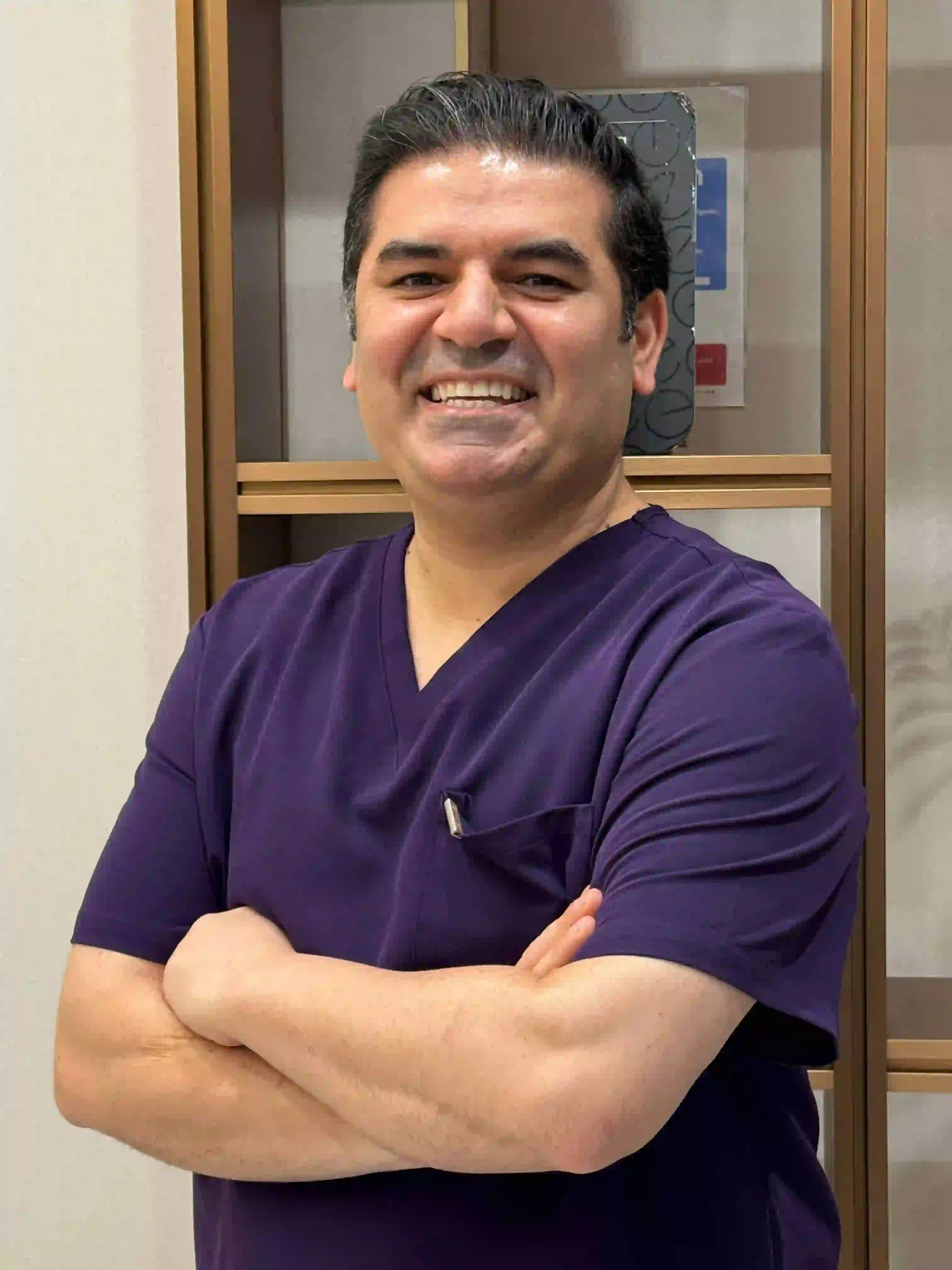
"We approach broken denture repair not just as a procedure, but as a pivotal restoration of self. Precision is our baseline; artistry is our signature."
— Dr. Yasha Y Shirazi
GDC: 195843
The Process
- 01.
Comprehensive Diagnostics & 3D Imaging.
- 02.
Bespoke Treatment Planning & Aesthetic Calibration.
- 03.
Precision Execution & Final Artistry.
Benefits
- Improved Facial Harmony
- Restored Function & Longevity
- Seamless, Natural Aesthetics
Location
Cosmetic Dentistry Clinic20 Old Brompton Road
South Kensington
London, SW7 3DL
Located 2 minutes walk from South Kensington Station.
Opening Hours
- Mon - Wed09:00 - 18:00
- Thu09:00 - 20:00
- Fri09:00 - 17:00
- Sat10:00 - 16:00
- Sun10:00 - 16:00
Uncompromising Standards
True artistry requires a foundation of absolute safety. Our practice operates under the strictest clinical governance, ensuring that your journey is as safe as it is transformative. We are fully regulated, transparent, and dedicated to the highest tenets of medical ethics.

Begin Your Journey
Private consultations available in South Kensington and the City of London. Join our membership for exclusive courtesies.