Dental Concerns
Dry Socket After Extraction | Cosmetic Dentistry Clinic
Learn about dry socket after tooth extraction, possible causes, symptoms, and when professional dental assessment may be appropriate.
Dry socket is a condition that may occasionally occur following a tooth extraction. It develops when the protective blood clot that normally forms in the extraction site does not develop properly or becomes dislodged during the early stages of healing. This clot serves an important role, shielding the underlying bone and nerve tissue while the area recovers.
When this protective layer is lost, the exposed socket may become a source of discomfort, and healing may take longer than expected. While dry socket is not uncommon and is generally manageable, professional dental assessment can help evaluate symptoms, support healing, and provide appropriate care to keep recovery on track.
What Is Dry Socket?
Dry socket, known clinically as alveolar osteitis, occurs when the extraction site loses the blood clot that normally forms to protect the socket after a tooth has been removed. The clot acts as a biological dressing, covering the underlying bone and nerves and providing a foundation for the growth of new tissue as healing progresses.
When the clot fails to form adequately or is dislodged prematurely, the exposed bone and nerve endings may become sensitive to air, food particles, and liquids. This can result in discomfort that is often more pronounced than the typical post-extraction soreness most patients experience. Symptoms typically develop two to four days after the extraction, rather than immediately.
It is important to note that not all post-extraction discomfort indicates dry socket. Some degree of soreness and swelling after extraction is normal, and your dentist can help distinguish between expected healing symptoms and those that may require additional attention.
Common Causes of Dry Socket
Several factors may contribute to the development of dry socket following a tooth extraction. In many cases, a combination of influences may be involved, and individual healing responses can vary.
Contributing Factors and Risk Factors
- ◇Clot dislodgement — Physical disruption of the blood clot during the early healing period, which may occur through vigorous rinsing, spitting, or using a straw
- ◇Smoking and tobacco use — The chemicals in tobacco and the physical action of inhaling may interfere with clot formation and reduce blood supply to the healing tissues
- ◇Vigorous rinsing or spitting — Forceful mouth rinsing or spitting in the first 24 hours after extraction may dislodge the developing blood clot
- ◇Trauma to the extraction site — Chewing on the affected side or touching the area with the tongue or fingers may disturb the clot before it has fully stabilised
- ◇Medical and oral health factors — Certain conditions that affect blood clotting, healing capacity, or immune function may increase susceptibility to dry socket
- ◇Oral contraceptives — Hormonal changes associated with some medications may influence clot stability in some individuals
Following the post-extraction care advice provided by your dentist can help reduce the risk of dry socket developing. If you have concerns about your healing, seeking professional assessment early can help ensure appropriate management.
When Dry Socket May Need Professional Assessment
While some discomfort is expected after a tooth extraction, certain signs may suggest that dry socket has developed and that professional evaluation would be beneficial.
Consider Seeking Assessment If
- ◇Pain increases or intensifies several days after the extraction rather than gradually improving
- ◇The extraction site appears empty, with no visible blood clot covering the socket
- ◇An unpleasant taste or odour develops in the mouth, which may indicate exposed tissue
- ◇Discomfort radiates or spreads toward the ear, temple, or surrounding jaw area on the same side
- ◇You notice visible bone within the socket when looking at the extraction site
If you experience any of these symptoms, arranging an emergency dental appointment or contacting your dental practice can help ensure the area is assessed and appropriate care is provided promptly.
Oral Health Effects Linked to Dry Socket
When the protective blood clot is lost from an extraction site, the healing process may be affected in several ways. Understanding these potential effects can help patients recognise when professional assessment may be beneficial.
Possible Effects
- ◇Prolonged healing — Without the protective clot, the socket may take longer to heal compared with a straightforward recovery
- ◇Tissue sensitivity — Exposed bone and nerve endings may become sensitive to air, food, and liquids, contributing to discomfort
- ◇Chewing difficulty — Eating on the affected side may feel uncomfortable until the area has healed sufficiently
- ◇Risk of secondary infection — An exposed socket may be more vulnerable to bacterial contamination, though this is not inevitable with appropriate care
Professional dental assessment may help support healing and manage symptoms effectively. With appropriate care, dry socket typically resolves and the extraction site heals, though the overall recovery period may be somewhat longer than usual.
Professional Care and Monitoring
If dry socket is suspected, your dentist can examine the extraction site to confirm the diagnosis and assess the stage of healing. Professional management may involve gently cleaning the socket to remove any debris and applying a medicated dressing to protect the exposed area and help relieve discomfort.
The dressing may need to be changed at follow-up appointments, and your dentist will advise on the expected frequency and duration of these visits based on your individual healing progress. In most cases, the dressing provides significant relief from discomfort and supports the natural healing process.
Your dentist may also provide guidance on oral hygiene during recovery and advise on when normal activities such as eating and brushing routines can be resumed around the extraction area. Treatment approaches depend on individual clinical findings, and your dentist will tailor recommendations to your specific circumstances.
Once the extraction site has healed fully, your dentist may discuss options for replacing the missing tooth if appropriate, such as dental implants or dental bridges, depending on your oral health and treatment goals.
General Guidance Before Assessment
If you suspect dry socket may be developing, arranging a professional dental assessment is the most important step. In the meantime, the following general considerations may be helpful.
Practical Considerations
- ◇Avoid disturbing the area — Try not to touch the extraction site with your tongue or fingers, and avoid using straws or making strong sucking motions
- ◇Continue gentle oral hygiene — Brush and floss the surrounding teeth carefully, being mindful of the extraction area
- ◇Avoid chewing on the affected side — Eating soft foods and directing chewing to the opposite side of the mouth may help reduce irritation
- ◇Arrange professional assessment — If discomfort persists or increases, contact your dental practice or arrange an emergency appointment for evaluation
Assessment and advice following tooth extraction are available at our London clinic, where professional evaluation can help determine the most appropriate course of care.
Post-Extraction Assessment
If you experience ongoing discomfort after a tooth extraction, a professional dental assessment can help determine whether dry socket or another post-extraction issue may be present. Our dental team can evaluate the healing of the extraction site and provide appropriate care to support your recovery.
Book a ConsultationRelated Treatments
Urgent care for post-extraction concerns
Dental Check-upComprehensive oral health evaluation
Dental HygienistProfessional cleaning and preventive care
Root Canal TreatmentTreatment for infection within the tooth
Dental ImplantsPermanent replacement for missing teeth
Dental BridgesFixed replacement for missing teeth
This page provides general information about dry socket after tooth extraction. It is not a substitute for professional dental advice, diagnosis or treatment. Individual circumstances vary and a clinical examination is required before any treatment recommendations can be made.
Cosmetic Dentistry Clinic
20 Old Brompton Road, South Kensington, London, SW7 3DL
Expert Insight
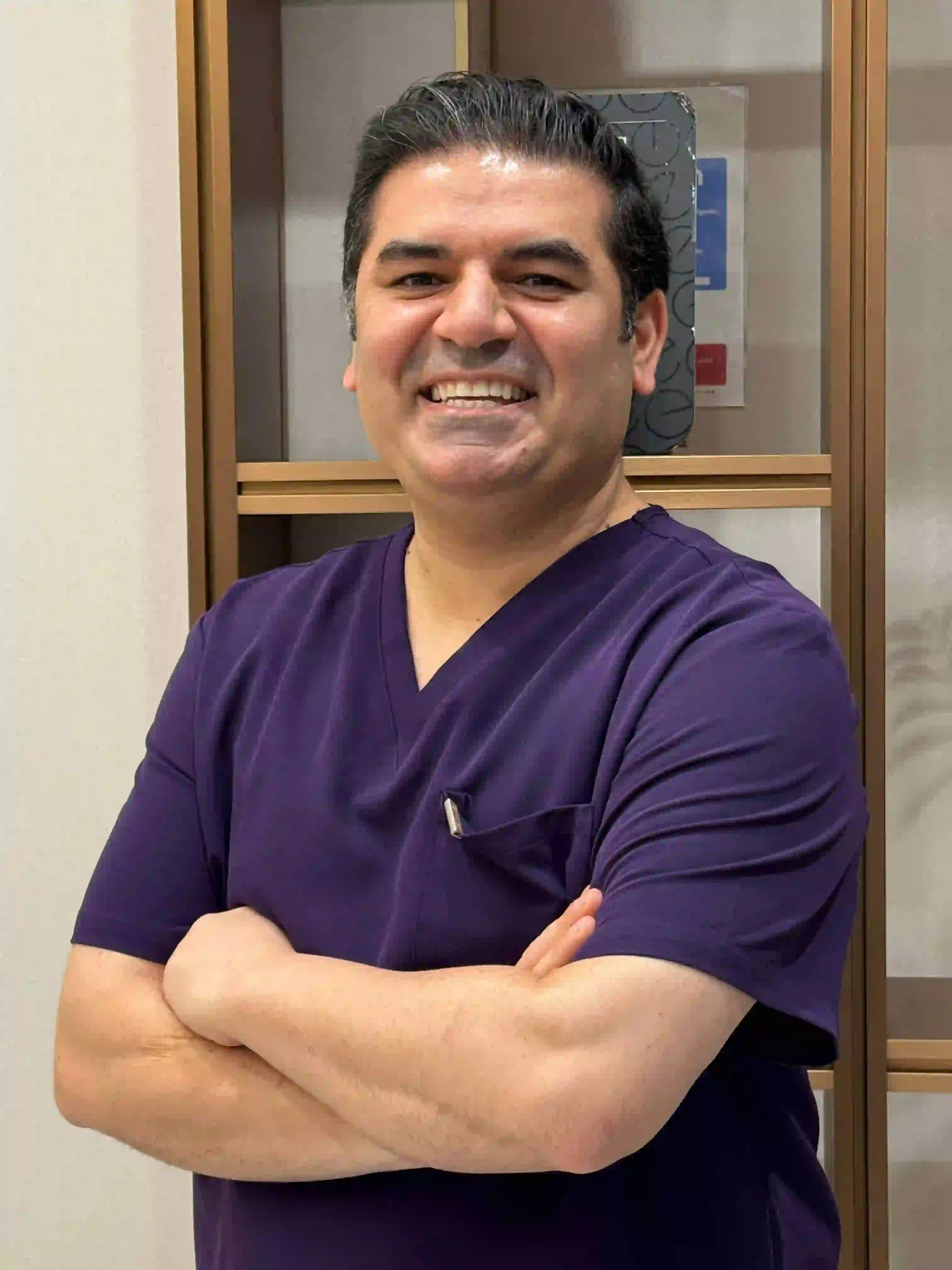
"We approach dry socket after extraction not just as a procedure, but as a pivotal restoration of self. Precision is our baseline; artistry is our signature."
— Dr. Yasha Y Shirazi
GDC: 195843
The Process
- 01.
Comprehensive Diagnostics & 3D Imaging.
- 02.
Bespoke Treatment Planning & Aesthetic Calibration.
- 03.
Precision Execution & Final Artistry.
Benefits
- Improved Facial Harmony
- Restored Function & Longevity
- Seamless, Natural Aesthetics
Location
Cosmetic Dentistry Clinic20 Old Brompton Road
South Kensington
London, SW7 3DL
Located 2 minutes walk from South Kensington Station.
Opening Hours
- Mon - Wed09:00 - 18:00
- Thu09:00 - 20:00
- Fri09:00 - 17:00
- Sat10:00 - 16:00
- Sun10:00 - 16:00
Uncompromising Standards
True artistry requires a foundation of absolute safety. Our practice operates under the strictest clinical governance, ensuring that your journey is as safe as it is transformative. We are fully regulated, transparent, and dedicated to the highest tenets of medical ethics.

Begin Your Journey
Private consultations available in South Kensington and the City of London. Join our membership for exclusive courtesies.