Dental Concerns
Loose Denture or Denture Sores | Cosmetic Dentistry Clinic
Learn why dentures may become loose or cause sore spots, possible causes of irritation, and when professional dental assessment may help.
Dentures are designed to fit comfortably over the gums, restoring both appearance and function after the loss of natural teeth. However, over time dentures may begin to feel loose, move during eating or speaking, or cause areas of soreness and irritation where they contact the gum tissue. These changes are relatively common and can result from natural alterations in the shape of the gums and underlying jawbone, wear to the denture itself, or a combination of factors. While denture discomfort can be concerning, professional dental assessment can help evaluate the fit of existing dentures and determine whether adjustments, relining, or replacement may be appropriate.
What Are Loose Dentures or Denture Sores?
Loose dentures occur when a denture no longer fits securely against the gum ridge, resulting in movement or instability during normal activities such as chewing, speaking, or yawning. This may affect full dentures — which replace all teeth in an arch — or partial dentures that sit alongside remaining natural teeth.
Denture sores refer to areas of irritation, redness, or tenderness on the gum tissue caused by the denture rubbing or pressing against the soft tissues of the mouth. These sore spots may develop gradually or appear relatively quickly following changes in denture fit. Some individuals notice movement while chewing or speaking, while others primarily experience localised discomfort in specific areas.
Not all denture discomfort is constant. Symptoms may vary throughout the day, worsen with certain foods, or improve when dentures are removed. A dental check-up can help identify the source of the problem and guide appropriate management.
Common Causes of Loose Dentures or Denture Irritation
Several factors may contribute to dentures becoming loose or causing sore areas. In many cases, more than one factor may be involved simultaneously.
- ◇ Natural changes in gum and jawbone shape — After teeth are lost, the underlying jawbone gradually remodels and the gum ridges may change shape over time. This is a normal biological process, but it can alter the fit of dentures that were originally well-fitting.
- ◇ Wear or ageing of the denture base — Denture materials may wear, warp, or become less resilient over years of use. The denture base may no longer conform precisely to the contours of the mouth.
- ◇ Poor fit or contour mismatch — If dentures no longer match the current shape of the gum ridges, uneven contact may develop, concentrating pressure on certain areas and leaving gaps in others.
- ◇ Food particles beneath dentures — Small food particles or plaque accumulating beneath the denture base may cause localised irritation and contribute to gum soreness.
- ◇ Pressure points — Areas where the denture rubs against prominent ridges or bony areas of the jaw may develop sore spots, particularly if the denture base has shifted from its intended position.
Understanding the contributing factors is an important part of determining the most appropriate management approach. Regular dental hygienist visits can also help maintain gum health beneath dentures.
When Denture Problems May Need Professional Assessment
Minor denture discomfort may occasionally resolve with careful cleaning and short periods of rest from wearing the dentures. However, professional review may be appropriate if:
- ◇ Dentures feel noticeably unstable during eating or speaking
- ◇ Persistent sore spots develop on the gums that do not improve within a few days
- ◇ Gum irritation does not improve with normal denture hygiene and resting
- ◇ The denture causes discomfort that affects the ability to eat, speak, or carry out daily activities comfortably
- ◇ There are signs of infection such as swelling, unusual redness, or discharge
If denture problems arise suddenly or cause significant discomfort, an emergency dental appointment may be appropriate to assess the situation and provide relief.
Oral Health Effects Linked to Poorly Fitting Dentures
Dentures that no longer fit properly may have broader effects on oral health and daily comfort beyond the immediate discomfort of sore spots.
- ◇ Gum irritation and tissue changes — Repeated friction from a poorly fitting denture may contribute to chronic gum irritation, redness, or soft tissue changes in the areas of greatest contact.
- ◇ Altered chewing patterns — Unstable dentures may lead individuals to favour certain foods or chew predominantly on one side, which may affect nutrition and jaw muscle balance.
- ◇ Speaking difficulties — Dentures that move during speech may affect pronunciation and confidence in social situations.
- ◇ Accelerated bone changes — Poorly distributed denture forces may contribute to further changes in the shape of the underlying bone ridge over time.
Professional dental assessment may help evaluate the current fit of dentures and identify whether adjustments could improve comfort and function. For patients considering more stable alternatives, options such as dental implants or dental bridges may be discussed during a consultation.
Preventive and Professional Care
Maintaining comfortable and well-fitting dentures involves a combination of regular professional assessment and consistent home care. A dentist can evaluate the current state of both the dentures and the underlying oral tissues to recommend the most appropriate approach.
- ◇ Regular dental examinations — Routine check-ups allow the dentist to monitor denture fit, assess gum health, and identify any early signs of tissue changes or irritation.
- ◇ Denture adjustments — Minor modifications to the denture base or edges may help relieve pressure points and improve comfort without replacing the denture.
- ◇ Denture relining — If the gum ridges have changed shape, the denture may be relined with new material to improve the fit against the current tissue contours.
- ◇ Denture replacement — If the existing denture is significantly worn, damaged, or no longer suitable, new cosmetic dentures may be recommended for improved fit, comfort, and appearance.
- ◇ Proper denture hygiene — Cleaning dentures thoroughly each day and maintaining good oral hygiene helps reduce the risk of irritation and supports overall gum health.
Professional evaluation determines the most suitable approach for each individual, taking into account the condition of the dentures, the health of the underlying tissues, and the patient’s preferences.
Temporary Measures Before Assessment
While waiting for a dental appointment, some general measures may help manage comfort. These are not intended as substitutes for professional care but may support wellbeing in the interim:
- ◇ Remove dentures if significant irritation or soreness develops, allowing the gum tissue to rest
- ◇ Maintain careful cleaning of both dentures and gums, rinsing the mouth after removing dentures
- ◇ Avoid wearing dentures continuously overnight, as this may contribute to gum irritation
- ◇ Arrange a professional dental assessment if discomfort persists or worsens
These measures may offer temporary relief but should not replace professional evaluation, particularly if sore areas are not improving or denture stability is significantly affected.
Denture Fit Assessment
If your dentures feel loose or cause sore areas on the gums, a professional dental assessment can help evaluate denture fit and determine whether adjustments or further care may be appropriate. Assessment and advice for denture comfort and fit are available at our London clinic, where professional evaluation can help determine the most appropriate course of care.
Request a ConsultationRelated Treatments
Cosmetic Dentures
Natural-looking dentures crafted for comfort and appearance.
Dental Check-up
Comprehensive oral health examination and assessment.
Dental Hygienist
Expert cleaning and oral hygiene guidance.
Emergency Dentist
Urgent dental care when you need it most.
Dental Implants
Permanent tooth replacement with natural look and feel.
Dental Bridges
Fixed restorations to replace one or more missing teeth.
This information is provided for general educational purposes and does not constitute clinical advice. All dental conditions require individual assessment. Treatment outcomes depend on clinical findings and patient-specific factors. Please consult a qualified dental professional for advice tailored to your circumstances. Cosmetic Dentistry Clinic is located at 20 Old Brompton Road, South Kensington, London SW7 3DL.
Expert Insight
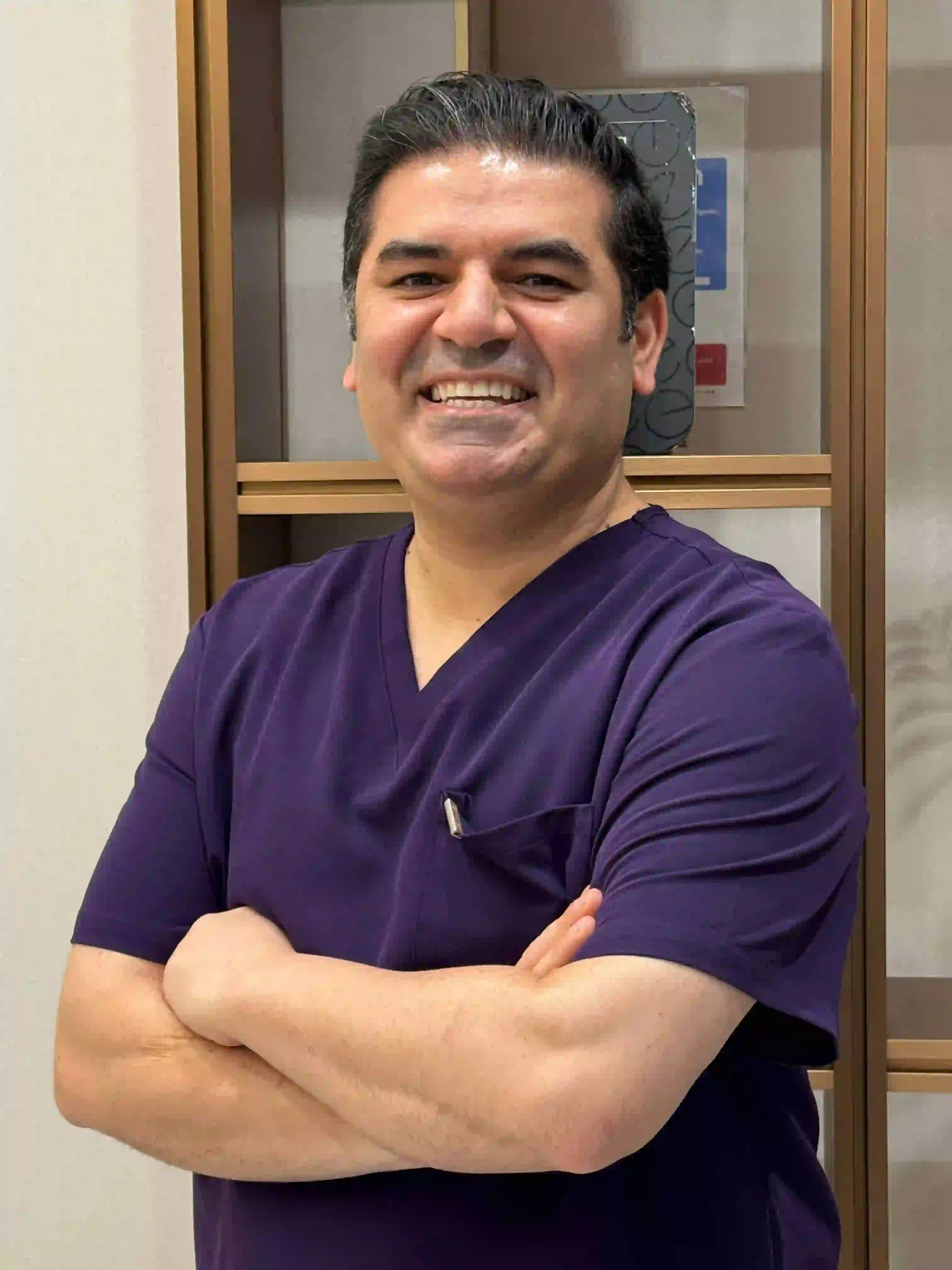
"We approach loose denture or denture sores not just as a procedure, but as a pivotal restoration of self. Precision is our baseline; artistry is our signature."
— Dr. Yasha Y Shirazi
GDC: 195843
The Process
- 01.
Comprehensive Diagnostics & 3D Imaging.
- 02.
Bespoke Treatment Planning & Aesthetic Calibration.
- 03.
Precision Execution & Final Artistry.
Benefits
- Improved Facial Harmony
- Restored Function & Longevity
- Seamless, Natural Aesthetics
Location
Cosmetic Dentistry Clinic20 Old Brompton Road
South Kensington
London, SW7 3DL
Located 2 minutes walk from South Kensington Station.
Opening Hours
- Mon - Wed09:00 - 18:00
- Thu09:00 - 20:00
- Fri09:00 - 17:00
- Sat10:00 - 16:00
- Sun10:00 - 16:00
Uncompromising Standards
True artistry requires a foundation of absolute safety. Our practice operates under the strictest clinical governance, ensuring that your journey is as safe as it is transformative. We are fully regulated, transparent, and dedicated to the highest tenets of medical ethics.

Begin Your Journey
Private consultations available in South Kensington and the City of London. Join our membership for exclusive courtesies.