Dental Concerns
Lost Filling Replacement | London Dentist
Lost a filling? Learn why fillings fall out, possible risks, and treatment options available at our London dental clinic.
Dental fillings are designed to restore teeth that have been affected by decay or damage, providing protection and structural support to the remaining tooth. Over time, however, a filling may loosen or fall out entirely, exposing the inner structure of the tooth to bacteria, temperature changes, and mechanical forces. Patients may notice increased sensitivity, discomfort when chewing, or food becoming trapped in the area where the filling was previously placed. While a lost filling can feel concerning, professional dental assessment can determine whether the tooth requires a straightforward replacement filling or whether alternative restorative treatment may be more appropriate.
What Is a Lost Filling?
A lost filling refers to a dental restoration that has become loose or detached from the tooth it was placed in. Fillings may fall out suddenly — sometimes while eating or brushing — or they may loosen gradually over a period of weeks or months before finally coming away. The patient may notice the filling itself in their mouth, or they may simply become aware that the tooth surface feels different.
When a filling is lost, the cavity or prepared area of the tooth that was previously sealed becomes exposed. Depending on the size and depth of the original restoration, the underlying tooth may be weakened and more vulnerable to further damage. Not all lost fillings cause immediate pain; some patients experience no discomfort at first, while others notice sensitivity or tenderness relatively quickly.
Regardless of whether symptoms are present, a dental check-up is generally advisable following a lost filling to assess the condition of the tooth and plan appropriate treatment.
Common Causes of a Lost Filling
Several factors may contribute to a dental filling becoming loose or falling out. In many cases, more than one factor may be involved.
- ◇ Normal wear and tear — All dental restorations have a finite lifespan. Years of chewing, temperature fluctuations, and normal use gradually weaken the bond between the filling and the tooth, and older fillings may be more susceptible to failure.
- ◇ Tooth decay around the filling — New decay may develop at the margins where the filling meets the natural tooth, undermining the seal and causing the restoration to loosen. This is sometimes referred to as secondary or recurrent decay.
- ◇ Biting on hard foods — Chewing on particularly hard items such as ice, nuts, or hard sweets may place excessive force on a filling, potentially causing it to crack or dislodge.
- ◇ Teeth grinding or clenching — Bruxism places sustained or repeated forces on dental restorations, which may accelerate wear and weaken the bond between filling and tooth over time.
- ◇ Ageing dental materials — Filling materials may undergo changes as they age, including slight expansion, contraction, or degradation, which can affect the integrity of the restoration.
Understanding the reason a filling was lost can help guide decisions about the most appropriate replacement approach and may help reduce the likelihood of recurrence.
Signs and Symptoms of a Missing Filling
The signs of a lost filling may be immediately obvious or may develop gradually. Recognising possible symptoms can help patients seek timely professional assessment.
- ◇ Tooth sensitivity — The exposed tooth structure may become more sensitive to hot, cold, or sweet foods and drinks as the protective barrier provided by the filling is no longer present.
- ◇ Rough or uneven surface — Running the tongue over the affected tooth may reveal a noticeable cavity, rough edge, or change in the tooth’s contour where the filling previously sat.
- ◇ Food trapping — The cavity left by the missing filling may trap food particles during eating, causing discomfort or an unpleasant taste.
- ◇ Pain when biting — Chewing on the affected tooth may cause discomfort or sharp pain, particularly if the exposed area is under direct pressure.
- ◇ Visible gap — In some cases, a visible hole or dark area may be apparent on the tooth surface where the filling was previously placed.
Symptoms may vary depending on the size and location of the original filling and the condition of the remaining tooth structure.
Potential Risks of Leaving a Tooth Without a Filling
While a lost filling may not always cause immediate severe symptoms, leaving the tooth unrestored for an extended period may increase the risk of further complications.
- ◇ Increased sensitivity — Without the protective seal of a filling, the exposed tooth may become progressively more sensitive to temperature, pressure, and sweet or acidic foods.
- ◇ Food trapping and discomfort — The open cavity may consistently trap food debris, leading to ongoing irritation and difficulty maintaining adequate oral hygiene in the area.
- ◇ Further tooth decay — Bacteria may gain access to the unprotected tooth structure, potentially causing new or worsening decay that extends deeper into the tooth.
- ◇ Structural weakening — The tooth, already compromised by the original cavity, may become further weakened without the support a filling provides, making it more susceptible to cracks or fractures.
- ◇ Increased risk of fracture — A weakened tooth under normal chewing forces may be at greater risk of breaking, which could necessitate more extensive treatment such as a crown or extraction.
Seeking professional assessment promptly generally supports more conservative and straightforward treatment options.
Treatment Options After a Filling Falls Out
The appropriate treatment for a lost filling depends on the clinical findings, including the condition of the remaining tooth structure, the presence of any new decay, and the size of the original restoration. A dentist will assess the situation and discuss suitable options, which may include:
- ◇ New white filling — If the tooth is in good condition and the cavity is suitable, a new white filling may be placed. Modern composite materials provide a natural appearance and bond directly to the tooth structure.
- ◇ Cleaning and preparation — Before a new filling is placed, the dentist may clean the cavity, remove any decay that has developed, and prepare the tooth to ensure a secure bond with the new restoration.
- ◇ Dental crown — If the remaining tooth structure is significantly weakened or the cavity is large, a dental crown may be recommended to provide full coverage and protection for the tooth.
- ◇ Composite bonding — In some cases, composite bonding may be used to rebuild and restore the tooth’s shape and function, particularly where aesthetics are a consideration.
- ◇ Root canal treatment — If decay has progressed to affect the tooth pulp or if infection is present, root canal treatment may be required before a new restoration can be placed.
Treatment planning is guided by clinical assessment and tailored to the individual patient’s needs. Options vary depending on the condition of the tooth, the extent of any new damage, and the patient’s preferences.
Importance of Professional Dental Assessment
A lost filling should be evaluated by a dental professional as soon as is reasonably practical. During the examination, the dentist may assess the remaining tooth structure, check for signs of new decay or damage, and evaluate whether the cavity requires any additional preparation before a new restoration is placed.
In some cases, diagnostic imaging may be used to assess the tooth root and surrounding structures beneath the visible surface. This comprehensive evaluation helps ensure that the most appropriate and durable treatment option is selected.
If a filling has been lost and the tooth is causing significant discomfort, an emergency dental appointment may be appropriate to provide prompt assessment and relief. Assessment and treatment planning for lost fillings and restorative dental concerns are available at our London clinic, where professional evaluation can help determine appropriate treatment options.
Assessment for a Lost Filling
If a filling has fallen out, professional dental assessment can help determine whether a replacement filling or alternative restorative treatment may be appropriate. Early evaluation may help preserve the tooth and support a more straightforward restoration.
Request a ConsultationRelated Treatments
Emergency Dentist
Urgent dental care when you need it most.
White Fillings
Tooth-coloured restorations for a natural appearance.
Dental Crowns
Protective restorations for weakened or damaged teeth.
Root Canal Treatment
Preserve a damaged tooth with specialist endodontic care.
Dental Check-up
Comprehensive oral health examination and assessment.
Composite Bonding
Tooth-coloured bonding to restore worn or chipped teeth.
This information is provided for general educational purposes and does not constitute clinical advice. All dental conditions require individual assessment. Treatment outcomes depend on clinical findings and patient-specific factors. Please consult a qualified dental professional for advice tailored to your circumstances. Cosmetic Dentistry Clinic is located at 20 Old Brompton Road, South Kensington, London SW7 3DL.
Expert Insight
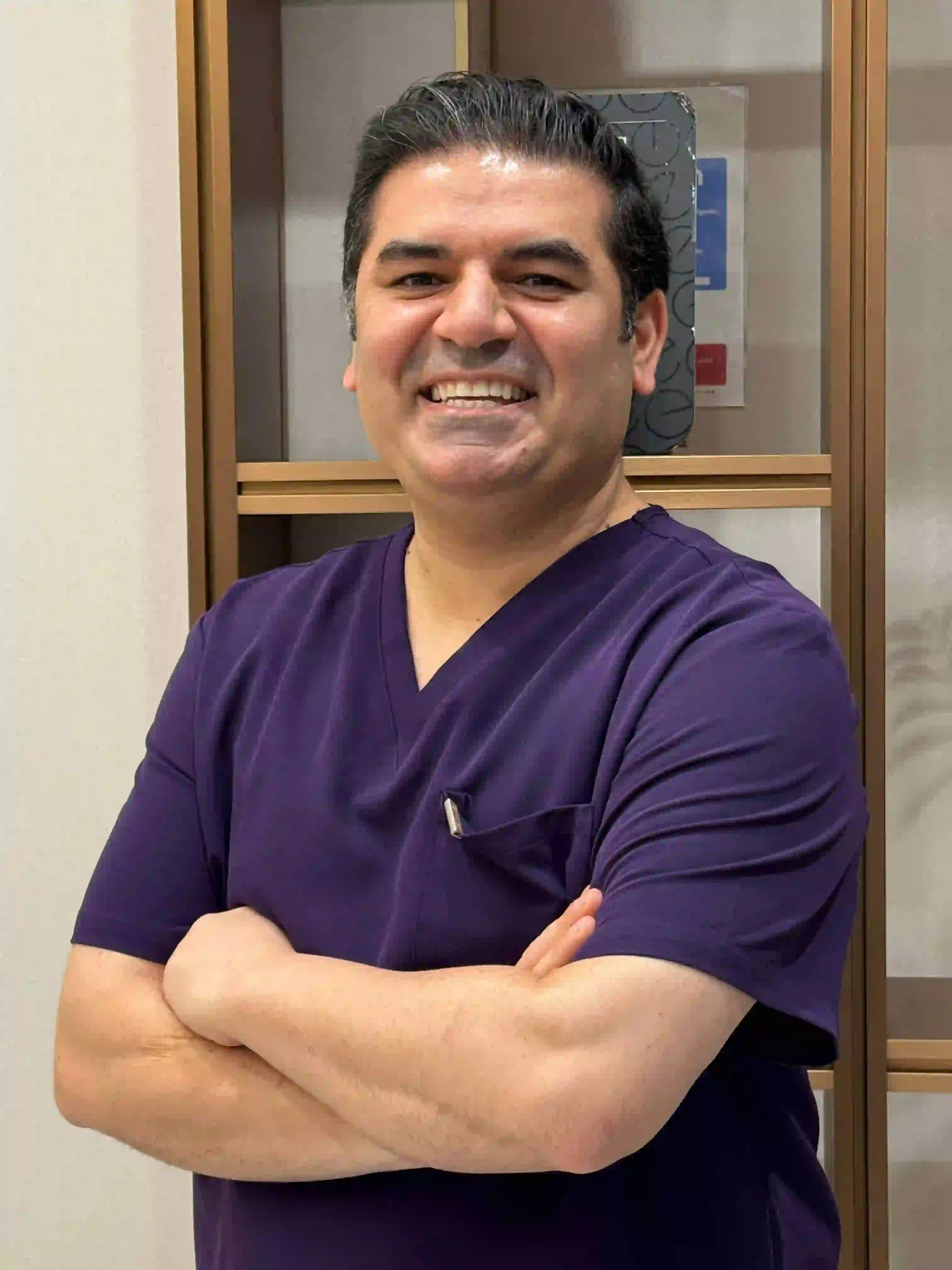
"We approach lost filling replacement not just as a procedure, but as a pivotal restoration of self. Precision is our baseline; artistry is our signature."
— Dr. Yasha Y Shirazi
GDC: 195843
The Process
- 01.
Comprehensive Diagnostics & 3D Imaging.
- 02.
Bespoke Treatment Planning & Aesthetic Calibration.
- 03.
Precision Execution & Final Artistry.
Benefits
- Improved Facial Harmony
- Restored Function & Longevity
- Seamless, Natural Aesthetics
Location
Cosmetic Dentistry Clinic20 Old Brompton Road
South Kensington
London, SW7 3DL
Located 2 minutes walk from South Kensington Station.
Opening Hours
- Mon - Wed09:00 - 18:00
- Thu09:00 - 20:00
- Fri09:00 - 17:00
- Sat10:00 - 16:00
- Sun10:00 - 16:00
Uncompromising Standards
True artistry requires a foundation of absolute safety. Our practice operates under the strictest clinical governance, ensuring that your journey is as safe as it is transformative. We are fully regulated, transparent, and dedicated to the highest tenets of medical ethics.

Begin Your Journey
Private consultations available in South Kensington and the City of London. Join our membership for exclusive courtesies.