Dental Concerns
Bite Feels Off? Causes & Treatment | London Dentist
Learn why your bite may feel uneven, common causes of malocclusion symptoms, and when professional dental assessment may help.
A bite that feels “off” describes a sensation that the upper and lower teeth are no longer meeting as comfortably or evenly as they once did. This may develop gradually over months or years, or it may be noticed quite suddenly — sometimes after dental treatment, sometimes without any obvious trigger. Some individuals experience mild discomfort when chewing, a feeling of imbalance when they close their mouth, or a sense that certain teeth are bearing more pressure than others.
Bite alignment — clinically referred to as occlusion — is determined by a complex relationship between the teeth, jaw joints (temporomandibular joints), muscles and surrounding structures. A change in any one of these elements can affect how the bite feels overall.
At Cosmetic Dentistry Clinic in South Kensington, London, our GDC-registered dentists are experienced in assessing bite relationships and identifying factors that may be contributing to discomfort or uneven contact. This page provides general information about common causes of bite changes and the management approaches that may be considered following professional evaluation.
This page is for general information only and does not constitute a diagnosis. If your bite feels uncomfortable, we recommend a dental examination so we can assess your individual circumstances.
What Does It Mean When Your Bite Feels “Off”?
When we speak about a bite feeling “off”, this typically refers to a change in the way the upper and lower teeth come together when you close your mouth or chew. In a well-balanced bite, the forces of chewing are distributed relatively evenly across the teeth. When something disrupts this balance, it can create a range of sensations:
- Certain teeth may make contact earlier than others when you close your mouth
- There may be a sense of uneven pressure — as though one side is “higher” than the other
- Chewing may feel less efficient or slightly uncomfortable
- The jaw may feel tense, tired or slightly misaligned when at rest
- The sensation may affect a specific area of the mouth or be more generalised
It is worth noting that not all bite changes cause pain or produce visible symptoms. Some individuals notice a subtle shift in how their teeth meet but experience no discomfort, while others may find the sensation quite bothersome. In either case, a professional assessment can help clarify what may be occurring.
Common Causes of Bite Changes
A number of factors can influence how the bite feels. In many cases, more than one factor may be contributing simultaneously.
Tooth Wear
Over time, the biting surfaces of teeth can wear down — particularly in individuals who clench or grind (bruxism). This gradual loss of tooth structure may alter the contact points between upper and lower teeth, changing the way the bite feels. In some cases, composite bonding or other restorative approaches may be considered to rebuild worn surfaces.
Dental Restorations
New fillings, crowns or bridges can occasionally affect how the teeth meet, particularly if the restoration sits slightly higher or lower than the original tooth surface. While minor adjustments often settle naturally, a persistent sense that the bite is uneven after treatment may benefit from review.
Teeth Shifting Over Time
Teeth are not fixed rigidly in bone — they can drift and shift throughout life, particularly if there are gaps from missing teeth. Even small positional changes can alter contact points and affect the overall feel of the bite. Orthodontic treatment may be appropriate in some cases to address alignment changes.
Jaw Muscle Tension and Clenching Habits
The muscles that control jaw movement play a significant role in how the bite feels. Stress-related clenching, habitual grinding (particularly during sleep) and general muscle tension can alter the resting position of the jaw and create a sense that the bite is uneven — even when the teeth themselves have not changed position.
Missing or Damaged Teeth
When a tooth is lost or significantly damaged, the remaining teeth may gradually shift to compensate, altering the bite relationship. Replacing missing teeth with dental implants, bridges or other restorations can help restore more balanced contact and prevent further changes.
When Bite Changes May Need Professional Assessment
While a brief, transient sense that the bite feels slightly different is not uncommon and may resolve on its own, there are circumstances in which professional review is advisable:
A thorough clinical examination — which may include assessment of tooth contacts, jaw joint function and muscle tenderness — can help identify the factors contributing to the change and guide any further steps.
Functional and Comfort Considerations
The way the teeth come together has a direct bearing on chewing efficiency, comfort and the long-term health of the teeth and supporting structures. When bite contact is uneven, certain consequences may follow over time:
- Individual teeth may experience increased pressure, which may contribute to wear, sensitivity or discomfort
- The jaw muscles may compensate for the imbalance, potentially leading to muscle fatigue or tension
- Chewing efficiency may be reduced, affecting dietary comfort
- Uneven forces may affect how biting pressure is distributed across the dental arch
It is important to emphasise that the significance of a bite change varies considerably between individuals. Professional dental assessment can help evaluate whether the change is likely to be self-limiting or whether it may benefit from intervention.
Orthodontic and Restorative Management Options
The most appropriate approach to managing an uneven bite depends entirely on the underlying cause, which is why professional evaluation is the essential first step. Depending on clinical findings, the following may be considered:
Bite Adjustment (Occlusal Equilibration)
Minor reshaping of specific contact points on teeth to improve how they meet. This is a conservative approach that may be appropriate when small areas of premature contact are identified.
Orthodontic Treatment
Orthodontic options such as clear aligners may be considered where tooth positions have shifted and are contributing to the bite change. Treatment planning would be based on individual bite characteristics and clinical need.
Restorative Treatment
Where worn, damaged or missing tooth structure is affecting the bite, restorative treatments such as composite bonding, crowns or bridges may be used to improve tooth contact and restore balanced function.
Occlusal Splint Therapy
For individuals who clench or grind, a custom-made occlusal splint (bite guard) worn during sleep may help protect the teeth and reduce muscle tension, allowing the jaw to settle into a more comfortable position.
Replacement of Missing Teeth
Where tooth loss is contributing to bite imbalance, options such as dental implants or fixed bridges may be discussed to restore support and prevent further shifting.
The above are examples of approaches that may be considered depending on clinical findings. A personalised treatment plan will be discussed with you following examination. All options, associated considerations and expected outcomes will be explained before any treatment begins.
Temporary Considerations Before Assessment
While awaiting a professional assessment, the following general guidance may help manage comfort:
These measures are intended as general comfort guidance only and should not be considered a substitute for professional advice. Please do not attempt to adjust your bite at home.
Bite Assessment
If your bite feels uneven or uncomfortable, a professional dental assessment can help identify possible causes and determine whether further care may be appropriate.
Assessment and advice for bite concerns are available at our London clinic, where professional evaluation can help determine the most appropriate course of care.
Related Dental Concerns
This page provides general information about bite changes and malocclusion symptoms. It is not a substitute for professional dental advice, diagnosis or treatment. Individual circumstances vary and a clinical examination is required before any treatment recommendations can be made.
Cosmetic Dentistry Clinic
20 Old Brompton Road, South Kensington, London, SW7 3DL
Expert Insight
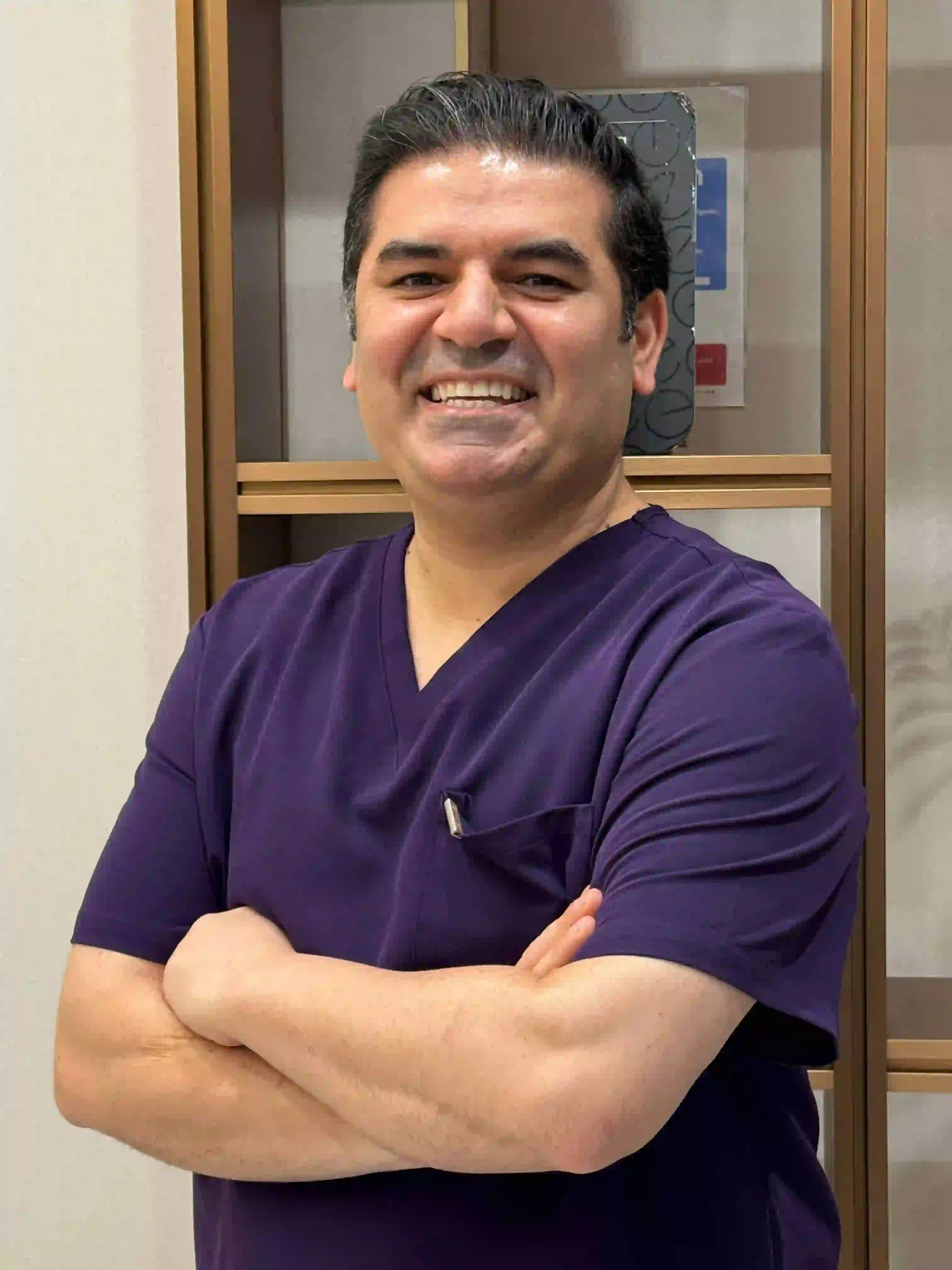
"We approach bite feels off? not just as a procedure, but as a pivotal restoration of self. Precision is our baseline; artistry is our signature."
— Dr. Yasha Y Shirazi
GDC: 195843
The Process
- 01.
Comprehensive Diagnostics & 3D Imaging.
- 02.
Bespoke Treatment Planning & Aesthetic Calibration.
- 03.
Precision Execution & Final Artistry.
Benefits
- Improved Facial Harmony
- Restored Function & Longevity
- Seamless, Natural Aesthetics
Location
Cosmetic Dentistry Clinic20 Old Brompton Road
South Kensington
London, SW7 3DL
Located 2 minutes walk from South Kensington Station.
Opening Hours
- Mon - Wed09:00 - 18:00
- Thu09:00 - 20:00
- Fri09:00 - 17:00
- Sat10:00 - 16:00
- Sun10:00 - 16:00
Uncompromising Standards
True artistry requires a foundation of absolute safety. Our practice operates under the strictest clinical governance, ensuring that your journey is as safe as it is transformative. We are fully regulated, transparent, and dedicated to the highest tenets of medical ethics.

Begin Your Journey
Private consultations available in South Kensington and the City of London. Join our membership for exclusive courtesies.