Dental Concerns
Wisdom Tooth Pain (Pericoronitis) | London Dentist
Learn about wisdom tooth pain caused by pericoronitis, common symptoms, causes, and treatment options available at our London dental clinic.
Wisdom teeth are the final molars to develop, usually emerging during late adolescence or early adulthood. In many cases, these teeth erupt without difficulty and integrate normally into the dental arch. However, in some individuals the wisdom tooth only partially erupts through the gum, creating an area where bacteria and food particles can accumulate beneath the surrounding gum tissue.
The resulting inflammation of the gum tissue around a partially erupted wisdom tooth is known as pericoronitis. This condition may cause localised pain, swelling, and discomfort that can range from mild to significant depending on the severity of the inflammation or infection. Professional dental evaluation can help determine the underlying cause of wisdom tooth pain and identify appropriate treatment options to manage symptoms and prevent complications.
What Is Pericoronitis?
Pericoronitis is an inflammatory condition affecting the gum tissue that surrounds a partially erupted tooth, most commonly a lower wisdom tooth. The condition develops when a flap of gum tissue, known as an operculum, partially covers the crown of the emerging tooth and creates a sheltered area where bacteria and food debris can become trapped.
As bacteria accumulate beneath this gum flap, the tissue may become swollen, tender, and in some cases infected. The area can be particularly difficult to clean effectively with routine brushing and flossing, which may allow the condition to persist or recur if the underlying cause is not addressed.
Clinical examination is required to confirm a diagnosis of pericoronitis and to distinguish it from other potential causes of pain in the wisdom tooth area. A dentist can assess the position of the tooth, the condition of the surrounding tissue, and determine the most appropriate management approach.
Common Causes of Wisdom Tooth Pain
Pain around the wisdom teeth may develop for several reasons, and in many cases multiple contributing factors may be present simultaneously. Common causes include:
- ◇ Partial eruption — when a wisdom tooth does not fully emerge through the gum, the remaining gum flap creates a space where debris can accumulate and inflammation can develop
- ◇ Food debris trapped beneath gum tissue — particles of food that become lodged under the gum flap provide a source of nutrition for bacteria, encouraging infection
- ◇ Bacterial infection — the warm, moist environment beneath the operculum is conducive to bacterial growth, which may lead to localised infection and inflammation
- ◇ Difficulty cleaning the area — the position of wisdom teeth at the back of the mouth makes them inherently more difficult to clean, increasing the risk of plaque and bacteria accumulation
- ◇ Pressure from neighbouring teeth — if space in the jaw is limited, the wisdom tooth may press against adjacent teeth as it attempts to erupt, contributing to discomfort in the surrounding area
Because several factors may contribute to wisdom tooth pain, a thorough clinical assessment is important for understanding the specific situation and planning appropriate care.
Signs and Symptoms of Pericoronitis
The symptoms of pericoronitis may vary in severity depending on the extent of inflammation or infection present. Common signs and symptoms include:
- ◇ Pain or tenderness around the wisdom tooth area, which may be constant or intermittent
- ◇ Swelling or redness of the gum tissue surrounding the partially erupted tooth
- ◇ Difficulty opening the mouth fully, sometimes referred to as trismus
- ◇ An unpleasant taste in the mouth or persistent bad breath associated with the affected area
- ◇ Tenderness or discomfort when chewing, particularly on the affected side
- ◇ In more severe cases, swelling may extend to the cheek, jaw, or lymph nodes in the neck
Symptoms may develop gradually or appear relatively suddenly, and they may fluctuate in intensity over time. Some individuals experience recurring episodes of pericoronitis, with symptoms settling temporarily before returning. If symptoms are severe or worsening, prompt dental assessment is advisable.
Potential Effects on Oral Health
While mild pericoronitis may resolve with improved oral hygiene and professional cleaning, untreated or recurrent episodes may have broader effects on oral health. Potential consequences include:
- ◇ Increased gum inflammation — persistent inflammation around the wisdom tooth may affect the health of the surrounding gum tissue and neighbouring teeth
- ◇ Spread of infection — in some cases, infection may extend beyond the immediate area to involve surrounding soft tissues, which may require more extensive treatment
- ◇ Difficulty chewing or speaking — pain and swelling may make normal oral function uncomfortable, particularly during acute episodes
- ◇ Recurrent episodes — if the underlying cause is not addressed, pericoronitis may recur repeatedly, with each episode potentially affecting the surrounding tissues
Professional assessment helps evaluate the extent of any inflammation and determine whether intervention may be appropriate to reduce the likelihood of recurrence or complications.
Treatment Options for Wisdom Tooth Infection
Treatment for pericoronitis depends on the severity of the condition, the position of the wisdom tooth, and individual clinical findings. Following a thorough examination, a dentist can recommend the most appropriate management approach. Treatment options may include:
- ◇ Professional cleaning — careful debridement and irrigation of the area around the affected tooth may help reduce inflammation and remove trapped debris
- ◇ Management of gum inflammation — targeted gum treatment may help address infection and support healing of the affected tissue
- ◇ Monitoring — in some cases, particularly where the tooth is still actively erupting, the dentist may recommend monitoring the position of the wisdom tooth over time
- ◇ Wisdom tooth removal — where pericoronitis recurs or the tooth is unlikely to erupt fully into a functional position, extraction of the wisdom tooth may be recommended to prevent further episodes
Treatment aims to reduce inflammation, manage any infection present, and address the underlying cause to reduce the likelihood of recurrence. Options vary depending on the position of the tooth and the overall clinical picture, and treatment planning is guided by individual assessment.
Assessment and treatment planning for wisdom tooth problems are available at our London clinic, where professional evaluation can help determine appropriate dental care.
Importance of Professional Dental Assessment
Wisdom tooth pain should be evaluated by a dental professional to determine the underlying cause and assess whether treatment may be appropriate. A clinical examination may involve visual assessment of the affected area, gentle probing of the gum tissue, and diagnostic imaging such as X-rays to evaluate the position of the wisdom tooth within the jaw.
Early assessment may help prevent recurrent episodes of pericoronitis and reduce the risk of infection spreading to surrounding tissues. For individuals experiencing their first episode of wisdom tooth pain, a dental check-up provides an opportunity to evaluate the position of all wisdom teeth and discuss any potential concerns.
Regular dental visits also allow clinicians to monitor the development and eruption of wisdom teeth over time, particularly in younger adults, and to identify potential issues before symptoms develop.
Assessment for Wisdom Tooth Pain
If swelling or pain develops around a wisdom tooth, professional dental assessment can help determine whether pericoronitis or another condition is present and identify appropriate treatment options.
Book a ConsultationRelated Treatments
Prompt assessment for acute wisdom tooth pain, swelling, or signs of infection requiring urgent attention.
Dental Check-upComprehensive examination to evaluate wisdom tooth position and assess the health of surrounding tissues.
Dental HygienistProfessional cleaning to help manage plaque accumulation around partially erupted wisdom teeth.
Gum Disease TreatmentTargeted treatment for gum inflammation and infection associated with wisdom tooth complications.
Root Canal TreatmentTreatment for infected dental pulp where wisdom tooth complications have affected neighbouring teeth.
Dental ImplantsReplacement options where tooth loss has occurred in association with wisdom tooth complications.
This information is provided for general educational purposes and does not constitute clinical advice. All dental conditions require individual assessment. Treatment outcomes depend on clinical findings and patient-specific factors. Please consult a qualified dental professional for advice tailored to your circumstances. Cosmetic Dentistry Clinic is located at 20 Old Brompton Road, South Kensington, London SW7 3DL.
Cosmetic Dentistry Clinic, 20 Old Brompton Road, South Kensington, London SW7 3DL. Registered with the Care Quality Commission (CQC). All treatments are carried out by GDC-registered dental professionals.
Expert Insight
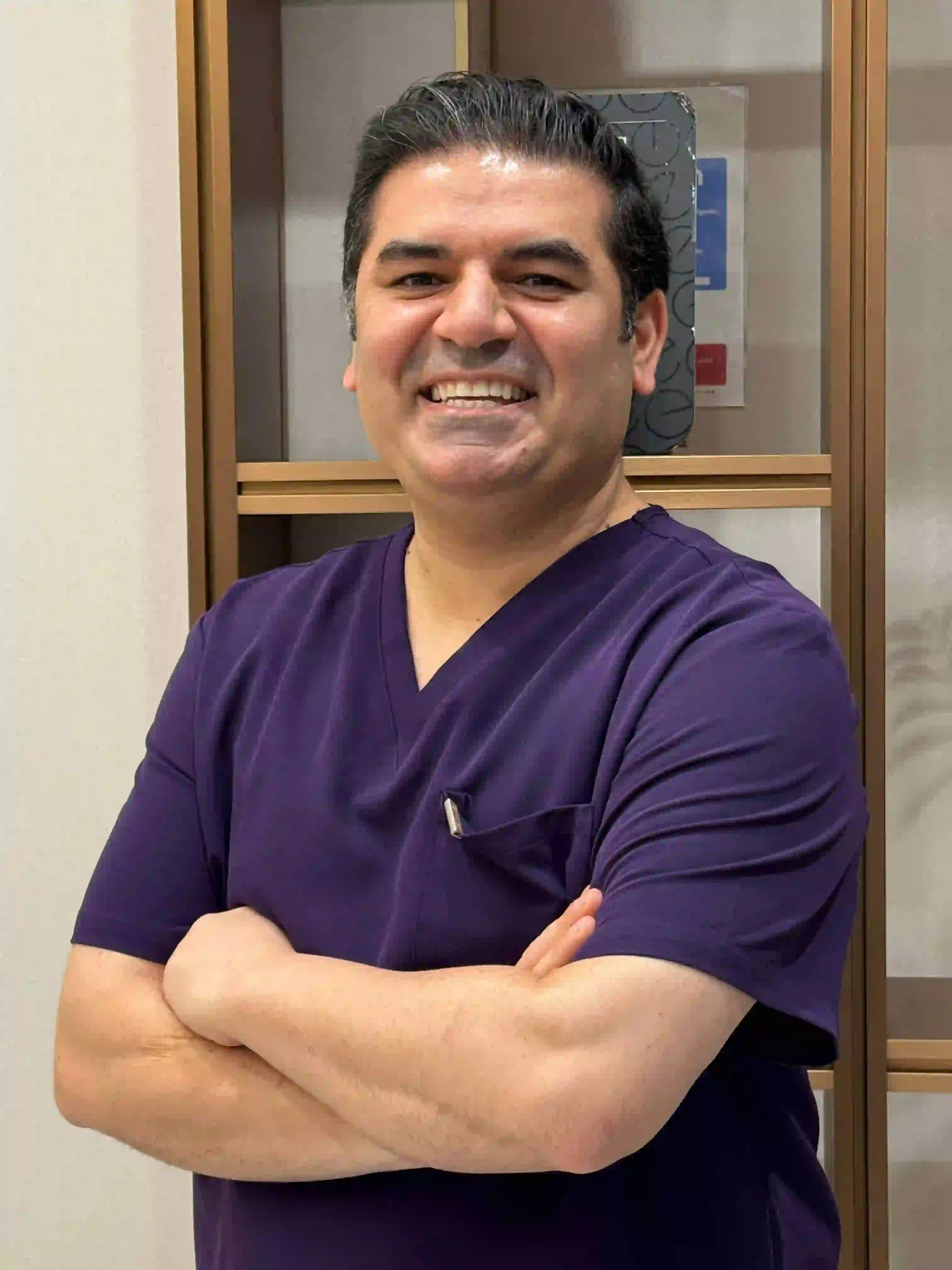
"We approach wisdom tooth pain (pericoronitis) not just as a procedure, but as a pivotal restoration of self. Precision is our baseline; artistry is our signature."
— Dr. Yasha Y Shirazi
GDC: 195843
The Process
- 01.
Comprehensive Diagnostics & 3D Imaging.
- 02.
Bespoke Treatment Planning & Aesthetic Calibration.
- 03.
Precision Execution & Final Artistry.
Benefits
- Improved Facial Harmony
- Restored Function & Longevity
- Seamless, Natural Aesthetics
Location
Cosmetic Dentistry Clinic20 Old Brompton Road
South Kensington
London, SW7 3DL
Located 2 minutes walk from South Kensington Station.
Opening Hours
- Mon - Wed09:00 - 18:00
- Thu09:00 - 20:00
- Fri09:00 - 17:00
- Sat10:00 - 16:00
- Sun10:00 - 16:00
Uncompromising Standards
True artistry requires a foundation of absolute safety. Our practice operates under the strictest clinical governance, ensuring that your journey is as safe as it is transformative. We are fully regulated, transparent, and dedicated to the highest tenets of medical ethics.

Begin Your Journey
Private consultations available in South Kensington and the City of London. Join our membership for exclusive courtesies.