Dental Concerns
Loose Tooth in Adults | Cosmetic Dentistry Clinic
Learn possible causes of a loose tooth in adults, potential oral health concerns, and when professional dental assessment may be appropriate.
Adult teeth are designed to remain stable within the jawbone, held securely in place by a complex system of bone, ligaments, and gum tissue. When a permanent tooth begins to feel loose or shows signs of movement, it may indicate changes affecting one or more of these supporting structures. Some individuals notice only a slight wobble, while others experience more noticeable mobility that affects chewing or comfort. The causes of tooth looseness in adults can vary considerably, ranging from gum disease and trauma to bite-related factors. Professional dental assessment can help identify the underlying cause and guide the most appropriate course of care.
What Is a Loose Tooth in Adults?
A loose tooth in adults refers to perceptible movement of a permanent tooth within its socket. Each tooth is anchored in the jawbone by the periodontal ligament — a network of fibres that connects the tooth root to the surrounding bone — and supported by healthy gum tissue that forms a protective seal around the tooth.
Small, physiological amounts of tooth movement are normal and may not indicate a problem. However, increased mobility — where a tooth visibly rocks, shifts when touched, or moves during chewing — may suggest that the supporting structures have been compromised in some way.
Not all loose teeth cause pain or immediate symptoms. In some cases, looseness develops gradually and is only noticed when biting or when pressure is applied. A dental check-up can help assess the degree of mobility and investigate potential contributing factors.
Common Causes of a Loose Tooth
Several factors may contribute to a permanent tooth becoming loose. In many cases, more than one factor may be involved simultaneously, and identifying the underlying cause is essential for determining the most appropriate management approach.
- ◇ Gum disease (periodontal disease) — This is one of the most common causes of tooth looseness in adults. As gum disease progresses, the tissues and bone that support the teeth may gradually break down, reducing the stability of affected teeth. Early-stage gum disease may be managed with professional gum disease treatment, while more advanced cases may require specialist periodontal care.
- ◇ Dental trauma or injury — A blow to the face, a fall, or a sports-related injury may damage the periodontal ligament or surrounding bone, causing a tooth to become loose. If a tooth has been loosened by trauma, an emergency dental assessment is generally advisable.
- ◇ Teeth grinding or excessive bite pressure — Chronic bruxism or clenching may place sustained excessive forces on individual teeth, potentially contributing to looseness over time, particularly if other supporting factors are also compromised.
- ◇ Bone loss around the tooth — The jawbone that surrounds tooth roots may diminish due to periodontal disease, certain medical conditions, or other factors, reducing the anchorage available to hold the tooth firmly in place.
- ◇ Advanced tooth decay — Extensive decay that reaches deep into the tooth structure may weaken the tooth and, in some cases, affect the surrounding supporting tissues, contributing to mobility.
Understanding the specific cause or combination of causes is a key part of developing an effective management plan. Professional assessment typically involves examining the tooth, gums, and bone support to build a comprehensive picture.
When a Loose Tooth May Need Professional Assessment
While minor tooth movement may not always require immediate attention, certain signs suggest that professional dental review may be appropriate. It is generally advisable to seek assessment if:
- ◇ Tooth movement becomes more noticeable over time or the tooth feels increasingly unstable
- ◇ Chewing feels uncomfortable, uneven, or the tooth shifts when biting
- ◇ Gum swelling, redness, or bleeding occurs around the affected tooth
- ◇ The tooth became loose after an injury or impact to the face or mouth
- ◇ There is pain, tenderness, or a persistent bad taste associated with the loose tooth
Early assessment can help identify the cause before further changes develop and may support a wider range of management options.
Oral Health Effects Linked to Tooth Mobility
A loose tooth may have broader effects on oral health and daily comfort beyond the immediate concern of the tooth itself.
- ◇ Chewing stability — A mobile tooth may not function effectively during chewing, leading to difficulty with certain foods or avoidance of the affected area.
- ◇ Changes in bite pressure — Surrounding teeth may begin to bear additional load if a loose tooth is less functional, which may affect bite balance over time.
- ◇ Gum and bone health — Ongoing mobility may be associated with progressive changes in the supporting gum tissue and bone, particularly if the underlying cause is not addressed.
- ◇ Risk of tooth loss — Without appropriate management, progressive looseness may ultimately lead to tooth loss, which may then require replacement options such as dental implants or dental bridges.
Professional dental assessment may help evaluate the condition of the supporting tissues and determine whether intervention could help stabilise the tooth or manage contributing factors.
Preventive and Professional Care
The management of a loose tooth depends on the underlying cause, the degree of mobility, and the overall condition of the supporting structures. A dentist can carry out a thorough assessment and discuss appropriate options based on the clinical findings.
- ◇ Regular dental examinations — Routine check-ups allow the dentist to monitor gum and bone health, measure tooth mobility, and identify any early changes that may benefit from intervention.
- ◇ Periodontal care — Where gum disease is identified as a contributing factor, professional cleaning and periodontal treatment may help manage inflammation and support the health of the surrounding tissues. Regular dental hygienist appointments can form an important part of ongoing gum care.
- ◇ Bite assessment and adjustment — If excessive bite forces are contributing to looseness, the dentist may assess bite alignment and discuss options to redistribute pressure more evenly across the teeth.
- ◇ Splinting — In some cases, a loose tooth may be temporarily or semi-permanently splinted to adjacent stable teeth to provide additional support during healing.
- ◇ Monitoring and ongoing care — Treatment planning may focus on protecting the remaining tooth support structures and preventing further progression, with regular monitoring as part of the ongoing care plan.
Professional evaluation determines the most suitable approach for each individual, taking into account the specific cause, the patient's overall oral health, and their preferences.
Temporary Measures Before Assessment
While waiting for a dental appointment, some general measures may help manage comfort and protect the affected tooth. These are not intended as substitutes for professional care but may support wellbeing in the interim:
- ◇ Avoid biting directly on the loose tooth where possible, using the other side of the mouth for chewing
- ◇ Maintain gentle but thorough oral hygiene around the affected area, using a soft-bristled toothbrush
- ◇ Avoid very hard, crunchy, or sticky foods that may place additional stress on the tooth
- ◇ Arrange a professional dental assessment if the tooth mobility persists, worsens, or is accompanied by pain
These measures may help protect the tooth in the short term but should not replace professional evaluation, particularly if mobility is increasing or other symptoms are present.
Loose Tooth Assessment
If you notice movement in a permanent tooth, a professional dental assessment can help identify possible causes and determine whether further care may be appropriate. Assessment and advice for loose teeth are available at our London clinic, where professional evaluation can help determine the most appropriate course of care.
Request a ConsultationRelated Treatments
Emergency Dentist
Urgent dental care when you need it most.
Dental Check-up
Comprehensive oral health examination and assessment.
Gum Disease Treatment
Professional periodontal care for healthier gums.
Dental Hygienist
Expert cleaning and oral hygiene guidance.
Dental Implants
Permanent tooth replacement with natural look and feel.
Dental Bridges
Fixed restorations to replace one or more missing teeth.
This information is provided for general educational purposes and does not constitute clinical advice. All dental conditions require individual assessment. Treatment outcomes depend on clinical findings and patient-specific factors. Please consult a qualified dental professional for advice tailored to your circumstances. Cosmetic Dentistry Clinic is located at 20 Old Brompton Road, South Kensington, London SW7 3DL.
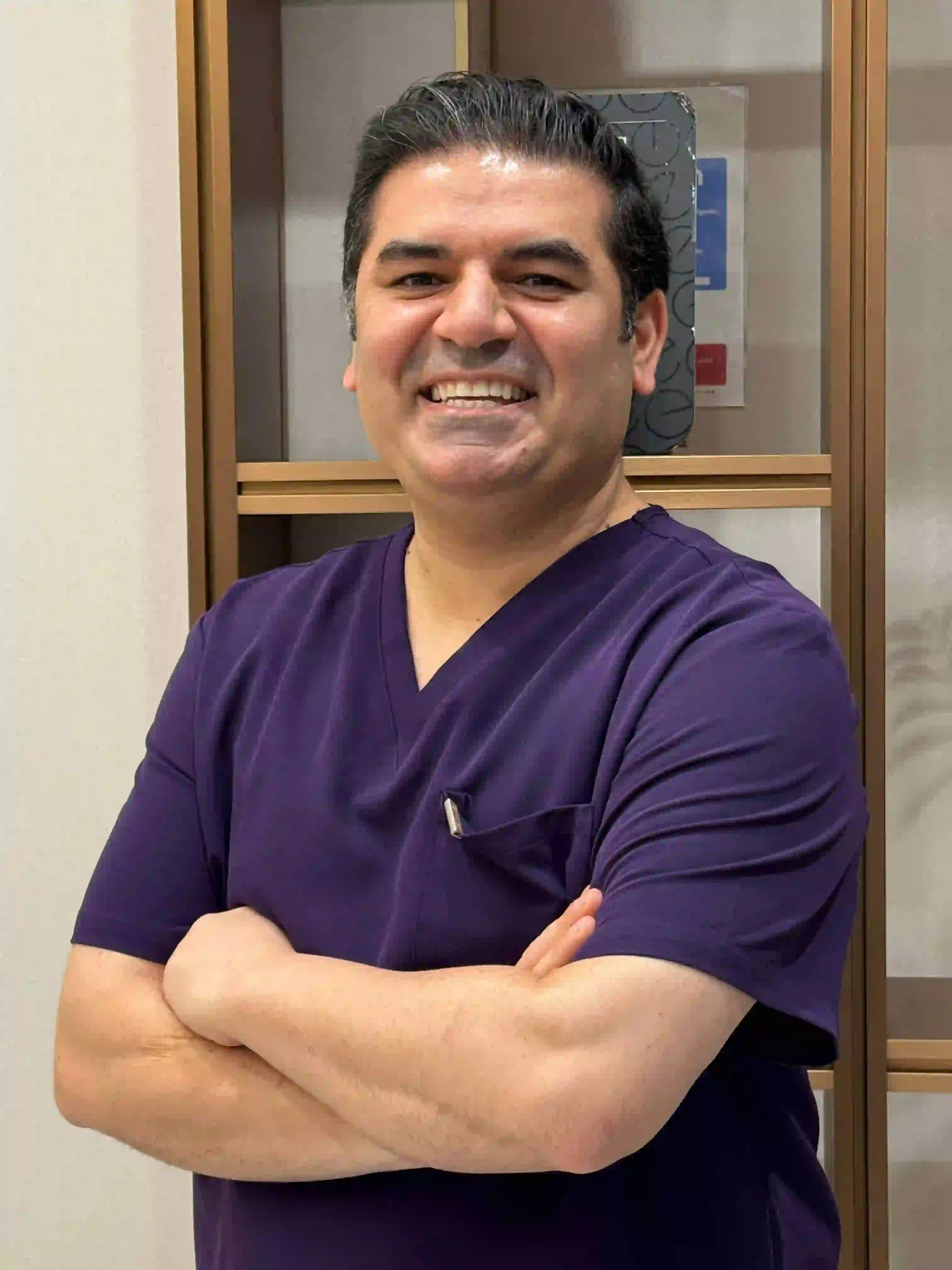
Expert Insight
"We approach loose tooth in adults not just as a procedure, but as a pivotal restoration of self. Precision is our baseline; artistry is our signature."
— Dr. Yasha Y Shirazi
GDC: 195843
The Process
- 01.
Comprehensive Diagnostics & 3D Imaging.
- 02.
Bespoke Treatment Planning & Aesthetic Calibration.
- 03.
Precision Execution & Final Artistry.
Benefits
- Improved Facial Harmony
- Restored Function & Longevity
- Seamless, Natural Aesthetics
Location
Cosmetic Dentistry Clinic20 Old Brompton Road
South Kensington
London, SW7 3DL
Located 2 minutes walk from South Kensington Station.
Opening Hours
- Mon - Wed09:00 - 18:00
- Thu09:00 - 20:00
- Fri09:00 - 17:00
- Sat10:00 - 16:00
- Sun10:00 - 16:00
Uncompromising Standards
True artistry requires a foundation of absolute safety. Our practice operates under the strictest clinical governance, ensuring that your journey is as safe as it is transformative. We are fully regulated, transparent, and dedicated to the highest tenets of medical ethics.

Begin Your Journey
Private consultations available in South Kensington and the City of London. Join our membership for exclusive courtesies.