Dental Concerns
Worn Teeth (Attrition) Causes & Treatment | London
Learn about worn teeth (attrition), common causes, symptoms, and treatment options available after professional dental assessment in London.
Worn teeth, clinically known as attrition, occur when tooth surfaces gradually wear down due to repeated contact between opposing teeth. The condition often develops slowly over time as a result of normal chewing forces or habits such as teeth grinding (bruxism). As the protective enamel layer becomes thinner, the shape and length of the teeth may gradually change, potentially affecting both function and appearance.
Some individuals may notice increased tooth sensitivity, flattening of the biting edges, or subtle changes in the way their teeth meet when biting. Because tooth wear typically progresses gradually, early signs may go unnoticed without routine professional examination. A thorough dental assessment can help identify the extent of attrition and determine whether preventive or restorative measures may be appropriate.
What Is Tooth Attrition?
Attrition refers to the gradual mechanical wear of tooth surfaces caused by direct tooth-to-tooth contact during normal function or parafunctional habits. This process most commonly affects the biting (occlusal) surfaces of back teeth and the incisal edges of front teeth, where opposing teeth meet during chewing and other jaw movements.
Over time, the enamel layer — the hard outer covering that protects each tooth — may become progressively thinner. As enamel wears away, the softer underlying dentine may become exposed, which can increase vulnerability to sensitivity and further wear. While some degree of tooth wear is considered a normal part of ageing, the rate and severity of attrition can vary significantly depending on individual factors.
During a dental examination, clinicians can assess the degree of attrition present and determine whether other forms of tooth wear — such as erosion (caused by acid) or abrasion (caused by external mechanical forces) — may also be contributing to the overall pattern of tooth surface loss.
Common Causes of Worn Teeth
Tooth attrition may develop as a result of several contributing factors. Understanding these potential causes can help patients recognise situations where professional assessment may be beneficial.
Factors That May Contribute to Tooth Wear
- ◇ Teeth grinding (bruxism) — involuntary grinding during sleep or periods of stress can accelerate enamel wear
- ◇ Teeth clenching — sustained clenching during the day places excessive pressure on tooth surfaces
- ◇ Bite imbalance — uneven contact between teeth may concentrate wear on certain areas
- ◇ Age-related wear — normal chewing forces over many years may gradually reduce enamel thickness
- ◇ Missing teeth — gaps in the dental arch may alter bite distribution, increasing wear on remaining teeth
- ◇ Occupational or lifestyle habits — certain repetitive jaw movements or habits may place additional pressure on teeth
The causes of tooth wear may vary between individuals, and in many cases, multiple factors may contribute simultaneously. A comprehensive dental assessment can help identify the specific factors involved and guide appropriate management strategies.
Signs and Symptoms of Tooth Attrition
The signs of tooth attrition may develop gradually over months or years, and patients may not always notice changes until they become more pronounced. Common indicators that tooth wear may be occurring include:
Possible Signs of Tooth Attrition
- ◇ Teeth appearing shorter or more flattened than before
- ◇ Smooth, polished, or shiny areas on tooth surfaces
- ◇ Increased sensitivity to hot, cold, or sweet foods and drinks
- ◇ Small chips or cracks appearing along the biting edges of teeth
- ◇ Changes in the way the upper and lower teeth meet when biting together
- ◇ Yellowing of teeth as thinner enamel reveals the underlying dentine
It is important to note that symptoms may develop gradually and may not always cause significant discomfort in the early stages. Routine dental examinations provide an opportunity for clinicians to monitor tooth surfaces and detect patterns of wear before they progress further.
Potential Risks if Tooth Wear Progresses
If left unmonitored, progressive tooth attrition may lead to a number of potential complications. While the rate of progression varies between individuals, understanding these risks highlights the importance of professional assessment and early management.
Possible Consequences of Progressive Tooth Wear
- ◇ Exposure of the softer dentine layer beneath the enamel, increasing vulnerability to further wear
- ◇ Heightened tooth sensitivity as the protective enamel barrier is reduced
- ◇ Changes in bite alignment as tooth surfaces lose their original contour
- ◇ Increased risk of tooth fractures or structural damage to weakened teeth
- ◇ Progressive shortening or flattening of teeth, potentially affecting appearance and function
Professional monitoring allows clinicians to track the rate of tooth wear over time and recommend intervention when appropriate, helping to preserve tooth structure and maintain dental function.
Treatment Options for Worn Teeth
The most appropriate approach to managing worn teeth depends on the severity of the attrition, the underlying contributing factors, and the overall condition of the affected teeth. Following a thorough clinical assessment, a dentist can recommend a tailored management plan that may include one or more of the following options.
Management and Treatment Approaches
- ◇ Protective night guards — custom-fitted occlusal splints may help reduce further wear in patients who grind or clench their teeth during sleep
- ◇ Bite adjustment — selective reshaping of tooth surfaces may help improve pressure distribution and reduce concentrated wear on specific teeth
- ◇ Composite bonding — tooth-coloured composite material may be applied to restore worn tooth surfaces and rebuild lost tooth structure
- ◇ Dental crowns — for more severely worn teeth, crowns may provide comprehensive protection and restore both function and appearance
- ◇ Ongoing monitoring — regular dental examinations allow clinicians to track changes in tooth wear and adjust management approaches as needed
Treatment depends on clinical assessment of each individual case. Protective appliances may help reduce further tooth wear, while restorative options such as bonding or crowns may help rebuild worn tooth structure. In all cases, the aim of treatment is to preserve remaining tooth structure and protect teeth from further damage.
Importance of Professional Dental Assessment
Because tooth wear often develops gradually, many patients may not recognise early signs of attrition without professional examination. A comprehensive dental assessment allows clinicians to evaluate the current degree of wear, identify contributing factors such as bruxism or bite irregularities, and establish a baseline for monitoring future changes.
Early identification and management of tooth attrition may help prevent further structural damage, reduce the need for more extensive treatment in the future, and support long-term dental health. Assessment and treatment planning for worn teeth and other dental concerns are available at our London clinic, where professional evaluation can help determine appropriate care options.
Patients who experience symptoms such as increased sensitivity, visible flattening of teeth, or changes in their bite are encouraged to seek professional dental advice so that the extent of wear can be properly assessed and appropriate management recommended.
Assessment for Worn Teeth
If you notice flattening, shortening, or increased sensitivity in your teeth, professional dental assessment can help determine whether tooth wear is present and identify appropriate protective or restorative options.
Book a ConsultationRelated Treatments
Comprehensive examination to assess tooth wear and overall oral health.
Dental HygienistProfessional cleaning and guidance to support long-term oral health alongside wear management.
Composite BondingTooth-coloured bonding to restore worn surfaces and rebuild lost tooth structure.
Dental CrownsProtective crowns to restore and strengthen severely worn or damaged teeth.
Night GuardsCustom-fitted protective appliances to help reduce grinding-related tooth wear during sleep.
This page is for informational purposes only and does not constitute dental or medical advice. All dental treatments carry potential risks and benefits that should be discussed with a qualified dental professional. Treatment outcomes may vary between individuals and are not guaranteed. A thorough clinical examination is necessary before any treatment plan can be recommended. The Cosmetic Dentistry Clinic is located at 20 Old Brompton Road, South Kensington, London SW7 3DL and is registered with the Care Quality Commission and the General Dental Council.
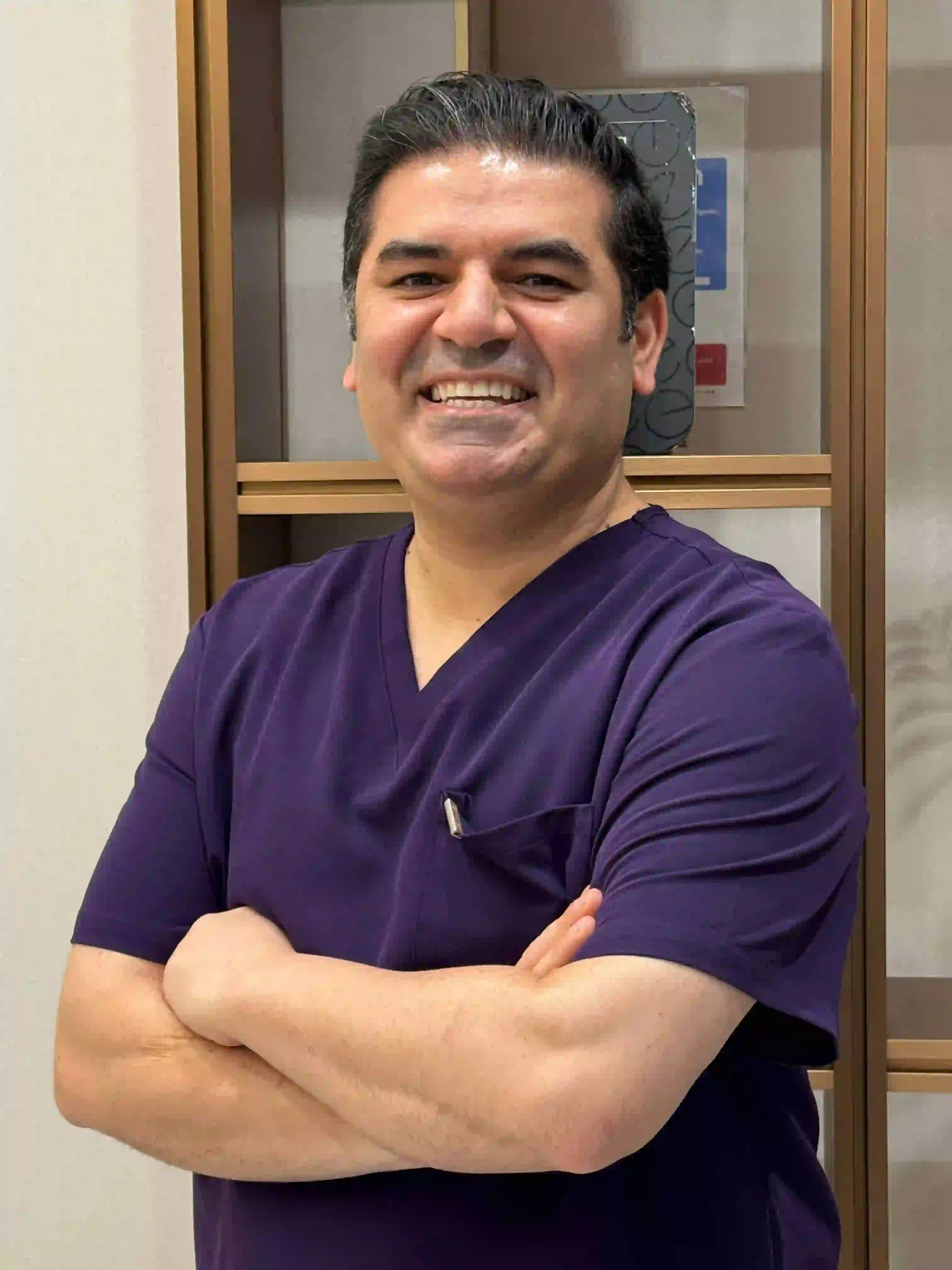
Expert Insight
"We approach worn teeth (attrition) not just as a procedure, but as a pivotal restoration of self. Precision is our baseline; artistry is our signature."
— Dr. Yasha Y Shirazi
GDC: 195843
The Process
- 01.
Comprehensive Diagnostics & 3D Imaging.
- 02.
Bespoke Treatment Planning & Aesthetic Calibration.
- 03.
Precision Execution & Final Artistry.
Benefits
- Improved Facial Harmony
- Restored Function & Longevity
- Seamless, Natural Aesthetics
Location
Cosmetic Dentistry Clinic20 Old Brompton Road
South Kensington
London, SW7 3DL
Located 2 minutes walk from South Kensington Station.
Opening Hours
- Mon - Wed09:00 - 18:00
- Thu09:00 - 20:00
- Fri09:00 - 17:00
- Sat10:00 - 16:00
- Sun10:00 - 16:00
Uncompromising Standards
True artistry requires a foundation of absolute safety. Our practice operates under the strictest clinical governance, ensuring that your journey is as safe as it is transformative. We are fully regulated, transparent, and dedicated to the highest tenets of medical ethics.

Begin Your Journey
Private consultations available in South Kensington and the City of London. Join our membership for exclusive courtesies.