Dental Concerns
Overjet (Buck Teeth) | Cosmetic Dentistry Clinic
Learn about overjet (buck teeth), common causes, bite effects, and when professional dental assessment may help guide treatment options.
Overjet refers to the horizontal projection of the upper front teeth beyond the lower front teeth. It is a common variation in dental alignment, and a small degree of overjet is considered normal in most bite patterns. However, when the upper teeth project noticeably further forward than usual, the condition is sometimes colloquially described as "buck teeth." The degree of overjet can vary from mild to more pronounced, and in some cases it may affect both the function and appearance of the teeth and smile. Professional dental assessment can help evaluate bite alignment, identify contributing factors, and determine whether orthodontic or restorative care may be appropriate.
What Is an Overjet?
Overjet describes the horizontal distance between the front edge of the upper front teeth and the front edge of the lower front teeth. In a typical bite, the upper teeth sit slightly ahead of the lower teeth, with a small horizontal gap of approximately two to three millimetres. This degree of projection is generally considered within the normal range.
An increased overjet occurs when the upper front teeth project further forward than expected, creating a more noticeable gap between the upper and lower teeth when viewed from the side. This may give the appearance of protruding front teeth and can vary considerably in degree from person to person.
It is important to distinguish overjet from overbite. While overjet refers to the horizontal distance between the upper and lower front teeth, overbite describes the vertical overlap — how much the upper teeth cover the lower teeth from top to bottom. Both aspects of bite alignment may be assessed during a dental check-up to provide a comprehensive picture of the bite relationship.
Not all cases of increased overjet cause functional concerns. Some individuals with a moderate overjet may experience no discomfort or difficulty, while others may find that the projection affects their ability to bite into food, influences lip closure, or raises cosmetic concerns about the appearance of the front teeth.
Common Causes of Increased Overjet
An increased overjet may develop as a result of one or more contributing factors. In many cases, a combination of genetic, developmental, and habitual influences plays a role:
- ◇ Genetic factors — The size and shape of the jaws and teeth are largely influenced by genetics. If the upper jaw is positioned further forward relative to the lower jaw, or if the teeth are naturally angled outward, this may contribute to an increased overjet. Family patterns in tooth and jaw development are common.
- ◇ Thumb sucking or prolonged dummy use — Persistent thumb sucking, finger sucking, or dummy use beyond early childhood can exert sustained forward pressure on the developing upper front teeth, gradually pushing them outward and increasing the overjet.
- ◇ Differences in jaw positioning — A discrepancy in the relative position of the upper and lower jaws may contribute to an increased overjet. This can occur when the upper jaw is positioned more forward than usual or when the lower jaw is set further back.
- ◇ Tooth alignment and spacing — The angle at which the upper front teeth erupt can influence the degree of overjet. Teeth that are angled outward, or crowding that pushes certain teeth forward, may contribute to increased horizontal projection.
- ◇ Tongue position and oral habits — Habitual tongue thrusting — pressing the tongue against or between the front teeth during swallowing or at rest — may place sustained pressure on the upper front teeth, potentially contributing to or maintaining an increased overjet over time.
It is worth noting that several contributing factors may be involved simultaneously. Identifying the underlying causes through professional assessment can help guide the most appropriate management approach.
When an Overjet May Need Professional Assessment
While many individuals with a mild overjet experience no significant problems, professional dental review may be appropriate in a number of situations. It can be helpful to seek assessment if:
- ◇ The front teeth are significantly protruding, creating a noticeable gap between the upper and lower teeth when the mouth is closed
- ◇ There are concerns about bite function, such as difficulty biting into food or the upper and lower teeth not meeting effectively
- ◇ The protruding teeth may be more vulnerable to accidental trauma or injury, particularly during physical activities or sports
- ◇ There are aesthetic concerns affecting confidence — some individuals may feel self-conscious about the appearance of their front teeth
- ◇ Lip closure is affected, with the lips resting apart or requiring effort to close comfortably over the front teeth
A dentist or orthodontist can assess the degree of overjet, take any necessary records, and discuss whether intervention may be beneficial. Early assessment in children may allow for timely guidance during growth, while adults with an established overjet can also benefit from a professional evaluation of the available options.
Functional and Cosmetic Considerations
An increased overjet may have both functional and cosmetic implications, though the impact varies from person to person. Understanding these considerations can help individuals make informed decisions about seeking professional advice.
- ◇ Bite alignment — An increased overjet may influence how the front teeth come together during biting. The upper and lower teeth may not meet effectively, which can affect the ability to incise food such as sandwiches, fruit, or similar items.
- ◇ Vulnerability to trauma — Front teeth that project further forward may be more exposed and potentially at greater risk of damage from accidental knocks or falls, particularly during sport or physical activities.
- ◇ Lip posture and comfort — In some cases, an increased overjet may affect lip closure. Individuals may find it difficult to close the lips comfortably over the front teeth at rest, which can lead to dryness of the lips or teeth.
- ◇ Appearance of the smile — The appearance of the front teeth may be affected by their position and projection. Some individuals may feel that protruding teeth influence the balance of their smile or facial profile, which can affect confidence.
- ◇ Speech — In certain cases, a more pronounced overjet may subtly influence the articulation of specific sounds, although this is not always the case and varies between individuals.
Professional dental assessment may help evaluate both the functional and cosmetic aspects of an overjet. Treatment depends on clinical evaluation, and outcomes vary according to the individual's specific bite characteristics, age, and overall oral health.
Orthodontic and Restorative Management Options
Where an overjet is affecting function, comfort, or appearance, a range of management options may be considered following professional assessment. The most appropriate approach depends on the cause and severity of the overjet, the patient's age, and their individual treatment goals.
- ◇ Orthodontic treatment — Orthodontic approaches are commonly considered to adjust the position of the upper front teeth and reduce the overjet. Options may include invisible braces (clear aligners) or fixed braces, depending on the complexity of the case and the degree of correction required.
- ◇ Habit management — Where habits such as tongue thrusting or thumb sucking are contributing to the overjet, addressing these habits may form an important part of the management plan, particularly in younger patients.
- ◇ Cosmetic options — Where the primary concern is the appearance of the front teeth, cosmetic treatments such as veneers or composite bonding may be considered as part of a comprehensive treatment plan, depending on the clinical findings and the patient's priorities.
- ◇ Restorative approaches — In some situations, restorative treatments such as dental crowns may be discussed to improve the shape, alignment, or contact of the teeth, particularly where wear or damage has also occurred.
- ◇ Combined treatment planning — More complex cases may benefit from a combined approach involving orthodontics and restorative or cosmetic dentistry. Where missing teeth are also a factor, dental implants may be relevant to restoring overall bite balance.
Treatment planning is always based on individual assessment. A dentist or orthodontist will discuss the expected process, any limitations, and what may realistically be achieved based on the patient's specific circumstances.
Temporary Considerations Before Assessment
While awaiting a professional dental assessment, there are some general considerations that may be helpful:
- ◇ Take care to protect protruding front teeth from injury — consider using a mouthguard during contact sports or physical activities
- ◇ Maintain good oral hygiene, including thorough brushing and flossing, to support overall dental health
- ◇ Be mindful when biting into hard foods — consider cutting food into smaller pieces where needed to reduce strain on the front teeth
- ◇ Monitor any changes in tooth position, bite comfort, or the appearance of the front teeth over time
- ◇ Arrange a professional dental assessment for evaluation if you have concerns about your overjet or bite alignment
These general considerations are not intended as substitutes for professional care. Assessment and advice for overjet and bite alignment are available at our London clinic, where professional evaluation can help determine the most appropriate course of care.
Overjet Assessment
If you are concerned about protruding front teeth or bite alignment, a professional dental assessment can help determine whether orthodontic or restorative care may be appropriate. Our experienced dental team can evaluate your bite, discuss your concerns, and outline potential management options tailored to your individual needs.
Request a ConsultationRelated Treatments
Invisible Braces
Discreet clear aligners to help improve tooth alignment.
Dental Check-up
Comprehensive oral health examination and bite assessment.
Composite Bonding
Tooth-coloured bonding to improve tooth shape and appearance.
Veneers
Custom porcelain or composite veneers for smile enhancement.
Dental Crowns
Durable restorations to protect and strengthen teeth.
Dental Implants
Permanent tooth replacement to restore function and bite balance.
This information is provided for general educational purposes and does not constitute clinical advice. All dental conditions require individual assessment. Treatment outcomes depend on clinical findings and patient-specific factors. Please consult a qualified dental professional for advice tailored to your circumstances. Cosmetic Dentistry Clinic is located at 20 Old Brompton Road, South Kensington, London SW7 3DL.
Expert Insight
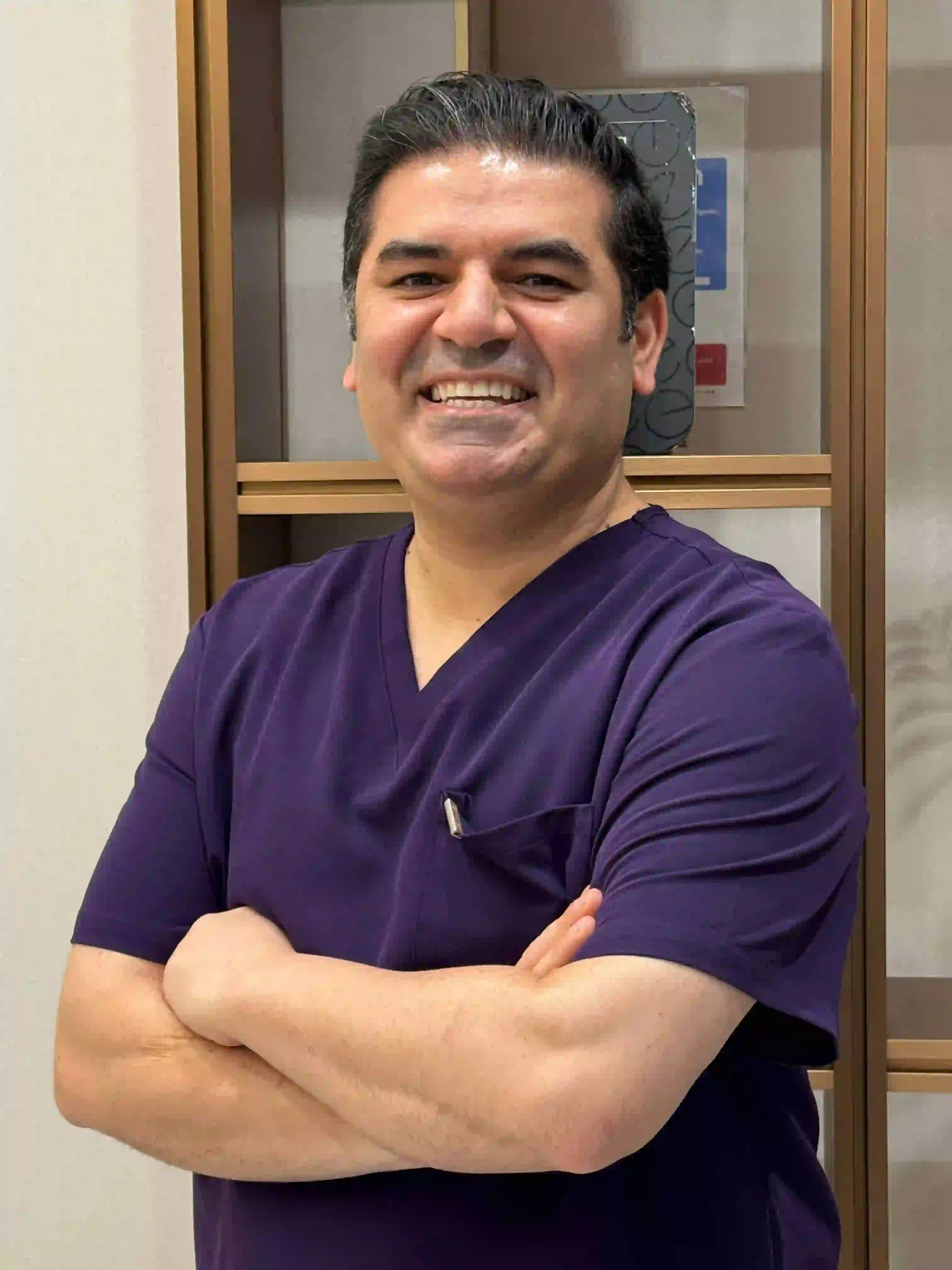
"We approach overjet (buck teeth) not just as a procedure, but as a pivotal restoration of self. Precision is our baseline; artistry is our signature."
— Dr. Yasha Y Shirazi
GDC: 195843
The Process
- 01.
Comprehensive Diagnostics & 3D Imaging.
- 02.
Bespoke Treatment Planning & Aesthetic Calibration.
- 03.
Precision Execution & Final Artistry.
Benefits
- Improved Facial Harmony
- Restored Function & Longevity
- Seamless, Natural Aesthetics
Location
Cosmetic Dentistry Clinic20 Old Brompton Road
South Kensington
London, SW7 3DL
Located 2 minutes walk from South Kensington Station.
Opening Hours
- Mon - Wed09:00 - 18:00
- Thu09:00 - 20:00
- Fri09:00 - 17:00
- Sat10:00 - 16:00
- Sun10:00 - 16:00
Uncompromising Standards
True artistry requires a foundation of absolute safety. Our practice operates under the strictest clinical governance, ensuring that your journey is as safe as it is transformative. We are fully regulated, transparent, and dedicated to the highest tenets of medical ethics.

Begin Your Journey
Private consultations available in South Kensington and the City of London. Join our membership for exclusive courtesies.