Dental Concerns
Underbite Treatment | Cosmetic Dentistry Clinic
Learn about underbite, its causes, bite effects, and when professional dental assessment may help guide treatment options.
An underbite is a type of bite alignment in which the lower teeth sit in front of the upper teeth when the mouth is closed. It is a recognised variation in dental and jaw positioning that may range from mild to more pronounced, and the degree of underbite can vary considerably between individuals.
While some people with a mild underbite may not experience any functional difficulties, others may find that the condition affects both the way their teeth meet during biting and the overall appearance of the lower face and smile. Professional dental assessment can help evaluate bite alignment, identify any associated concerns, and determine whether treatment may be appropriate based on individual circumstances.
What Is an Underbite?
An underbite occurs when the lower jaw or lower teeth extend beyond the upper teeth, creating a reversed bite relationship. In a typical bite, the upper front teeth sit slightly in front of and overlap the lower front teeth. With an underbite, this relationship is reversed, with the lower teeth positioned further forward.
The condition may involve one or more teeth or the entire dental arch, and it is often referred to clinically as a Class III malocclusion. The severity of an underbite can vary widely — some individuals may have only a slight forward positioning of the lower teeth, while others may have a more significant discrepancy between the upper and lower jaws.
It is important to note that not all underbites cause immediate discomfort or functional problems. However, the bite relationship may change over time, and professional dental assessment helps establish whether the current alignment is stable or whether monitoring or intervention may be beneficial.
Common Causes of an Underbite
An underbite may develop due to a combination of factors, and in many cases several contributing elements may be involved simultaneously. Understanding the potential causes can help patients appreciate why individual treatment approaches may vary.
Common contributing factors include:
- ◇ Genetic factors — jaw size, shape, and position are strongly influenced by inherited characteristics, and a family history of underbite may increase the likelihood of the condition developing
- ◇ Jaw development differences — disproportionate growth between the upper and lower jaws during childhood and adolescence may result in the lower jaw extending further forward than the upper jaw
- ◇ Early childhood habits — prolonged thumb-sucking, dummy use, or tongue-thrusting habits during formative years may influence jaw development and tooth positioning
- ◇ Tooth positioning and eruption patterns — the angle and position at which permanent teeth erupt may contribute to an underbite, even when the jaw itself is well-proportioned
- ◇ Previous dental or orthodontic factors — earlier tooth loss, extractions, or incomplete orthodontic treatment may sometimes contribute to changes in bite alignment over time
Because several factors may contribute to the development of an underbite, a thorough clinical assessment is important for understanding the specific causes in each individual case and for planning the most appropriate management approach.
When an Underbite May Need Professional Assessment
Many individuals live comfortably with a mild underbite without experiencing significant difficulties. However, professional dental review may be appropriate in certain circumstances, particularly if any of the following observations apply:
- ◇ There is difficulty biting into food or chewing comfortably
- ◇ The bite feels uneven, uncomfortable, or appears to be changing over time
- ◇ There are concerns about uneven tooth wear or pressure on specific teeth
- ◇ There are aesthetic concerns affecting confidence in the appearance of the smile or facial profile
A dental check-up provides an opportunity for a clinician to assess bite alignment, evaluate the condition of the teeth and supporting structures, and discuss whether any further investigation or treatment may be appropriate. Early assessment can be particularly valuable for children and adolescents, as intervention during growth may offer additional options.
Functional and Aesthetic Considerations
An underbite may influence several aspects of dental function and facial appearance, though the impact varies depending on the severity of the condition and individual factors.
From a functional perspective, an underbite may affect how the teeth meet during biting and chewing. When the lower teeth extend beyond the upper teeth, the natural cutting and grinding action of the teeth may be less efficient, and certain teeth may experience uneven pressure during normal function. Over time, this altered distribution of forces may contribute to increased wear on specific teeth.
From an aesthetic perspective, the position of the lower jaw relative to the upper jaw may influence the appearance of the facial profile and smile. Some individuals may feel self-conscious about the positioning of their lower teeth or the overall balance of their facial features, which may affect social confidence.
Professional dental assessment may help evaluate both functional and aesthetic aspects of an underbite, providing a comprehensive understanding of how the bite alignment may be affecting oral health and quality of life. Treatment planning, where appropriate, takes both considerations into account.
Assessment and advice for underbite and bite alignment are available at our London clinic, where professional evaluation can help determine the most appropriate course of care.
Orthodontic and Restorative Management Options
Management of an underbite depends on the underlying cause, severity, and individual clinical findings. Following a thorough assessment, a dentist or orthodontist can discuss the options that may be most suitable. These may include:
- ◇ Orthodontic treatment — clear aligners or fixed braces may be considered to improve tooth alignment and adjust the bite relationship
- ◇ Composite bonding — in mild cases, cosmetic bonding may help improve the appearance of individual teeth affected by the bite relationship
- ◇ Veneers — porcelain or composite veneers may be discussed as part of a cosmetic approach for suitable cases
- ◇ Dental crowns — restorative crowns may be considered where teeth have been affected by wear or damage associated with the bite alignment
- ◇ Dental implants — where tooth loss has occurred in association with bite problems, implant-supported restorations may be discussed as part of a comprehensive treatment plan
Treatment planning depends on individual bite characteristics, the condition of the teeth and supporting structures, and the patient's goals and preferences. The recommended approach aims to achieve a stable, comfortable bite while considering both functional and aesthetic outcomes. Treatment outcomes depend on clinical findings and patient-specific factors.
Temporary Considerations Before Assessment
While awaiting professional dental assessment, the following general measures may help maintain comfort and protect oral health:
- ◇ Maintain thorough oral hygiene with regular brushing and interdental cleaning
- ◇ Be mindful when chewing foods that require significant biting force, particularly if discomfort is present
- ◇ Monitor any changes in bite comfort or tooth alignment over time
- ◇ Arrange professional dental assessment for a comprehensive evaluation of bite alignment
These measures are intended as general guidance only and do not replace professional dental evaluation. A clinician can provide tailored advice based on individual clinical findings.
Underbite Assessment
If you are concerned about bite alignment or lower teeth positioning, a professional dental assessment can help determine whether orthodontic or restorative care may be appropriate.
Book a ConsultationRelated Treatments
Clear aligner systems that may help improve tooth alignment and bite relationship for suitable cases.
Dental Check-upComprehensive assessment to evaluate bite alignment and discuss appropriate management options.
Composite BondingCosmetic bonding to improve the appearance of individual teeth affected by bite alignment.
VeneersPorcelain or composite veneers as part of a cosmetic approach for suitable underbite cases.
Dental CrownsRestorative crowns for teeth affected by wear or damage associated with underbite alignment.
Dental ImplantsImplant-supported restorations for tooth replacement as part of comprehensive bite management.
This information is provided for general educational purposes and does not constitute clinical advice. All dental conditions require individual assessment. Treatment outcomes depend on clinical findings and patient-specific factors. Please consult a qualified dental professional for advice tailored to your circumstances. Cosmetic Dentistry Clinic is located at 20 Old Brompton Road, South Kensington, London SW7 3DL.
Cosmetic Dentistry Clinic, 20 Old Brompton Road, South Kensington, London SW7 3DL. Registered with the Care Quality Commission (CQC). All treatments are carried out by GDC-registered dental professionals.
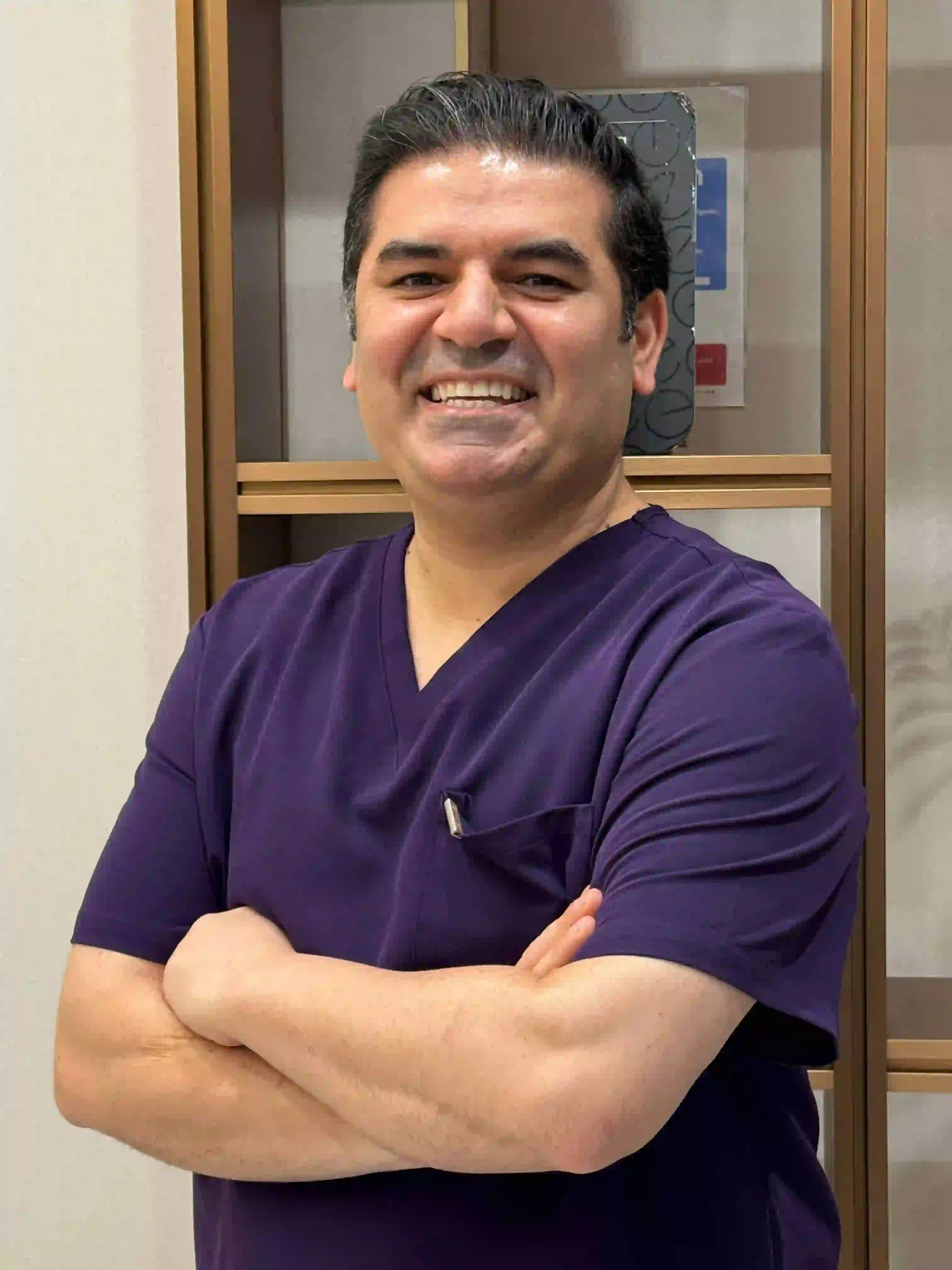
Expert Insight
"We approach underbite not just as a procedure, but as a pivotal restoration of self. Precision is our baseline; artistry is our signature."
— Dr. Yasha Y Shirazi
GDC: 195843
The Process
- 01.
Comprehensive Diagnostics & 3D Imaging.
- 02.
Bespoke Treatment Planning & Aesthetic Calibration.
- 03.
Precision Execution & Final Artistry.
Benefits
- Improved Facial Harmony
- Restored Function & Longevity
- Seamless, Natural Aesthetics
Location
Cosmetic Dentistry Clinic20 Old Brompton Road
South Kensington
London, SW7 3DL
Located 2 minutes walk from South Kensington Station.
Opening Hours
- Mon - Wed09:00 - 18:00
- Thu09:00 - 20:00
- Fri09:00 - 17:00
- Sat10:00 - 16:00
- Sun10:00 - 16:00
Uncompromising Standards
True artistry requires a foundation of absolute safety. Our practice operates under the strictest clinical governance, ensuring that your journey is as safe as it is transformative. We are fully regulated, transparent, and dedicated to the highest tenets of medical ethics.

Begin Your Journey
Private consultations available in South Kensington and the City of London. Join our membership for exclusive courtesies.