
Introduction
Many patients considering dental implants wonder what happens inside their mouth after implant surgery. Understanding the biological changes that occur after dental implant placement helps patients appreciate the healing process and manage their expectations during recovery. This natural healing journey involves several phases where your body gradually accepts and integrates the titanium implant with your jawbone.
The biological response to dental implants is a fascinating process that demonstrates the body's remarkable ability to heal and adapt. From the moment an implant is placed, your bone and soft tissues begin a carefully orchestrated healing sequence. This article explains the various stages of implant healing, the cellular changes involved, and what patients can expect during their recovery period.
Understanding these biological processes can help you recognise normal healing patterns and know when professional dental assessment may be beneficial for optimal implant success.
What biological changes occur after dental implant placement?
After dental implant placement, your body initiates a complex healing process called osseointegration, where bone cells gradually grow onto and fuse with the titanium implant surface. This biological integration typically takes 3-6 months and involves inflammation, bone formation, and tissue remodelling around the implant site.
Initial healing response and inflammation
The first biological change following implant placement is the body's natural inflammatory response. Within hours of surgery, blood vessels dilate around the implant site, allowing immune cells to reach the area. This controlled inflammation is essential for proper healing and typically peaks within the first 48-72 hours.
During this initial phase, a blood clot forms around the implant, providing a foundation for new tissue growth. White blood cells arrive to prevent infection and remove any damaged tissue. Patients may notice swelling, mild discomfort, and tenderness during this period, which are normal signs that healing is progressing appropriately.
The inflammatory phase gradually subsides over the first week, transitioning into the next stage of healing. Maintaining good oral hygiene and following post-operative instructions helps support this crucial early healing period.
Osseointegration: bone-implant fusion
The most significant biological change is osseointegration, where bone cells called osteoblasts begin depositing new bone material directly onto the implant surface. This process typically begins within days of placement but takes several months to complete fully.
During osseointegration, the implant becomes mechanically stable as bone tissue grows into the microscopic surface textures of the titanium. The success of this biological integration depends on factors including bone quality, implant design, surgical technique, and patient healing capacity.
Clinical studies indicate that titanium's biocompatible properties allow bone cells to attach directly to its surface, supporting stable long-term integration. This direct bone-to-implant contact creates the strong foundation necessary to support a replacement tooth. Regular dental monitoring during this phase helps support the integration process as it progresses.
Soft tissue healing and adaptation
Alongside bone healing, the gums and surrounding soft tissues undergo their own biological changes. The gum tissue forms a protective seal around the implant, similar to how gums naturally attach around tooth roots. This biological seal helps prevent bacteria from reaching the implant-bone interface.
Collagen fibres within the gum tissue reorganise and strengthen over several weeks, creating a stable soft tissue environment. The healing gums may appear slightly different in colour initially but gradually return to their normal pink appearance as blood flow normalises.
Proper oral hygiene during soft tissue healing is crucial for preventing complications. Dental hygienist appointments can provide professional guidance on maintaining gum health around healing implants.
Bone remodelling and maturation
After initial osseointegration, the bone continues to remodel and strengthen around the implant for many months. Bone cells constantly remove and replace bone tissue in response to mechanical forces, gradually optimising the bone structure for long-term implant support.
This remodelling process helps the jawbone adapt to the implant's presence and prepares it for the functional loads it will experience once the final crown is placed. The bone becomes denser and more organised over time, enhancing the implant's stability.
Understanding this ongoing biological process helps explain why dentists often recommend waiting periods before placing the final restoration, allowing adequate time for complete bone maturation and optimal long-term success.
When professional dental assessment may be needed
While healing discomfort is normal, certain symptoms may indicate complications requiring professional evaluation. Persistent or worsening pain beyond the first week, significant swelling that doesn't improve, or signs of infection such as pus or fever warrant prompt dental attention.
Implant mobility, unusual discharge, or persistent bleeding may suggest healing problems that require clinical assessment. Additionally, any concerns about the healing process or questions about normal recovery patterns can be addressed during routine follow-up appointments.
Early identification and management of potential complications help support successful implant integration and long-term function. Regular monitoring allows your dental team to assess healing progress and provide guidance tailored to your individual recovery.
Supporting optimal biological healing
Several factors can positively influence the biological changes occurring after implant placement. Maintaining excellent oral hygiene helps prevent bacterial interference with healing processes. Avoiding smoking supports healthy blood flow and reduces infection risk.
Following dietary recommendations, such as eating soft foods initially, reduces mechanical stress on the healing implant site. Taking prescribed medications as directed and attending follow-up appointments enables professional monitoring of your healing progress.
Gentle mouth rinsing with warm salt water can support soft tissue healing without disrupting the implant site. Oral health maintenance throughout the healing period contributes to successful long-term implant outcomes.
If you want a detailed timeline of this specific stage, see our guide to dental implant healing between weeks 2 and 4.
Key Points to Remember
- Osseointegration is the primary biological process where bone fuses with the titanium implant over 3-6 months
- Initial inflammation and blood clot formation are normal healing responses in the first week
- Soft tissue healing creates a protective seal around the implant similar to natural teeth
- Bone remodelling continues for months, strengthening the implant foundation
- Following post-operative instructions supports optimal biological healing
- Professional monitoring helps identify any healing complications early
Frequently Asked Questions
How long does complete biological healing take after implant placement?
Complete biological healing typically takes 3-6 months for osseointegration, though individual healing times vary. Soft tissue healing occurs more quickly, usually within 2-4 weeks. Bone remodelling continues for several months beyond initial integration. Your dentist will assess healing progress through clinical examinations and may use imaging to confirm successful integration before placing the final restoration.
Is pain during the biological healing process normal?
Some discomfort is normal during the first week as your body responds to implant placement. Pain should gradually decrease rather than worsen. Mild tenderness may persist for several days, but severe or increasing pain may indicate complications. Over-the-counter pain medication typically manages normal healing discomfort effectively.
Can I speed up the biological healing process?
While healing timeframes are largely determined by individual biology, you can support optimal healing through good oral hygiene, avoiding smoking, eating nutritious foods, and following post-operative instructions. Attempting to rush healing by chewing hard foods too early may actually disrupt the biological processes and compromise success.
What factors can interfere with normal biological healing?
Smoking significantly impairs healing by reducing blood flow and oxygen delivery to tissues. Poor oral hygiene can introduce bacteria that interfere with healing processes. Certain medications, uncontrolled diabetes, and excessive mechanical forces can also affect healing. Discussing your medical history helps your dental team anticipate and manage potential healing challenges.
How will I know if the biological changes are progressing normally?
Normal healing involves gradual reduction in swelling and discomfort over the first week, followed by comfortable healing without significant pain. Your dentist will monitor healing through regular appointments and may perform stability tests to assess osseointegration progress. Any concerns about healing can be discussed during follow-up visits.
Can age affect the biological healing process after implant placement?
While healing may take slightly longer in older patients, age alone doesn't prevent successful implant integration. Overall health status is more significant than chronological age. Many patients in their 70s and 80s achieve excellent implant success. Your dentist will evaluate your individual healing capacity regardless of age to determine treatment suitability.
Conclusion
Understanding the biological changes that occur after dental implant placement helps patients appreciate the remarkable healing process their body undergoes. From initial inflammation through osseointegration and tissue remodelling, these natural biological responses work together to create a stable foundation for long-term implant success.
The biological integration of dental implants demonstrates the body's ability to accept and incorporate biocompatible materials when proper surgical and healing protocols are followed. Supporting these natural healing processes through good oral hygiene, healthy lifestyle choices, and professional monitoring contributes to optimal outcomes.
If you're experiencing any concerns about healing after implant placement or have questions about the biological changes occurring in your mouth, seeking timely professional guidance helps support optimal outcomes. Dental symptoms and treatment options should be assessed individually during a clinical examination.
Disclaimer: This article is for general educational information only and is not personalised dental advice. Diagnosis and treatment recommendations require a clinical examination by a qualified dental professional.
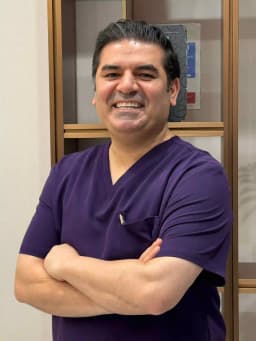
Cosmetic Dentistry Clinic
Cosmetic Dental Team at Cosmetic Dentistry Clinic
With years of experience in cosmetic and restorative dentistry, Cosmetic is dedicated to helping patients achieve their perfect smile through personalised care and cutting-edge techniques.