
Introduction
Many patients feel uncertain about what to expect during the crucial healing period following dental implant surgery. After the initial post-operative phase, questions often arise about whether the healing process is progressing normally and what changes should be anticipated. Understanding the dental implant healing timeline can provide reassurance and help patients recognise when their recovery is following the expected course.
The weeks 2-4 healing phase represents a critical period in dental implant treatment, as this is when initial tissue healing accelerates and the implant begins its integration process with the jawbone. During this time, patients typically experience significant improvements in comfort levels and begin to see visible changes in the surgical site. Knowing what constitutes normal healing patterns can help patients feel more confident about their recovery journey and understand when professional dental review may be beneficial for ongoing assessment.
What happens during dental implant healing between weeks 2-4?
During weeks 2-4 after dental implant surgery, initial soft tissue healing accelerates whilst early bone integration begins around the implant. Swelling subsides significantly, discomfort reduces markedly, and the surgical site starts forming protective tissue coverage over the implant area.
Understanding the Initial Healing Process
The period between weeks 2-4 represents the transition from acute post-operative healing to the early stages of osseointegration. During the first two weeks, the body's initial inflammatory response begins to settle, allowing more structured healing processes to take over. Blood clot formation around the implant site stabilises, providing the foundation for new tissue development.
Soft tissue healing becomes more apparent during this phase, with gum tissue gradually closing over the implant site. The protective blood clot that formed immediately after surgery transforms into more organised tissue structures. This process helps create a barrier against bacteria whilst allowing the underlying bone healing to progress undisturbed.
Patients often notice that daily activities become more comfortable during this period, with speaking and gentle chewing typically causing less discomfort than in the immediate post-operative phase.
Changes in Comfort and Swelling Patterns
Most patients experience a significant reduction in swelling and discomfort between weeks 2-4. Initial post-operative swelling, which typically peaks around day 3-4, continues to diminish gradually throughout this period. The improvement is often most noticeable in the mornings, as overnight rest allows inflammatory processes to settle.
Pain levels generally decrease considerably during this phase. Many patients find they can reduce or discontinue prescribed pain relief medication, transitioning to over-the-counter options if needed. However, some mild sensitivity around the implant site may persist, particularly when touching the area or during oral hygiene routines.
The reduction in inflammation also means that facial contours begin returning to normal. Any bruising that developed during the first week typically fades during this period, and patients often feel more confident about their appearance when returning to work or social activities.
Early Bone Integration Processes
Although complete osseointegration takes several months, the initial stages of bone healing around the dental implant begin during weeks 2-4. The titanium implant surface starts encouraging bone cell attachment and growth, laying the groundwork for long-term implant stability. This process occurs gradually and is not typically noticeable to patients.
The bone surrounding the implant site begins forming new tissue structures that will eventually create a strong biological connection with the implant surface. This early integration phase is influenced by factors including overall health, bone quality, and adherence to post-operative care instructions.
During this period, it's crucial that patients avoid placing excessive pressure on the implant site, as the developing bone-implant interface remains delicate. Following dietary restrictions and avoiding habits like smoking supports optimal bone healing conditions.
Oral Hygiene Considerations During Weeks 2-4
Maintaining appropriate oral hygiene becomes increasingly important as healing progresses, whilst remaining gentle around the implant site. Most dental professionals recommend beginning very gentle cleaning around the area during this phase, often using a soft-bristled toothbrush and avoiding aggressive brushing motions.
Prescribed mouth rinses may continue to be recommended during this period to support healing and reduce bacterial levels around the surgical site. Some patients may be advised to use saltwater rinses or antimicrobial solutions as directed by their dental team, alongside tailored advice from a dental hygienist.
The balance between maintaining cleanliness and avoiding disruption to healing tissues requires careful attention. Patients should follow their specific post-operative instructions, as cleaning recommendations may vary based on individual healing progress and the complexity of the original procedure.
Dietary Progression and Eating Comfort
Many patients find they can gradually expand their diet during weeks 2-4, though certain restrictions typically remain in place. Soft foods that require minimal chewing often become more comfortable, allowing for better nutrition and eating enjoyment. However, hard, crunchy, or sticky foods generally remain inadvisable during this period.
Temperature sensitivity around the implant site may persist, making very hot or cold foods uncomfortable. Room temperature or lukewarm foods often provide the most comfort. Avoiding the immediate implant area when chewing helps protect the developing tissues from excessive pressure.
Patients often report feeling more confident about eating in social situations during this phase, as discomfort levels decrease and eating becomes less challenging. However, continued caution with food choices supports ongoing healing processes.
When Professional Dental Assessment May Be Needed
While most patients experience steady improvement during weeks 2-4, certain symptoms may indicate the need for professional dental evaluation. Persistent or worsening pain, particularly if it interferes with daily activities or sleep, warrants professional assessment. Increased swelling after the initial reduction phase may also require dental review.
Signs of potential complications include unusual discharge from the implant site, persistent bleeding beyond the first few days, or development of fever. Changes in the appearance of the surgical site, such as unusual discolouration or separation of tissues, should be evaluated promptly.
Patients who notice that healing seems to have stalled or that symptoms are not improving as expected benefit from professional assessment. Early identification of any healing concerns allows for appropriate intervention and continued treatment success.
Supporting Optimal Healing During This Phase
Several factors can positively influence healing during weeks 2-4 after dental implant surgery. Maintaining good overall health through adequate rest, proper nutrition, and staying hydrated supports the body's natural healing processes. Avoiding smoking and limiting alcohol consumption creates optimal conditions for tissue recovery.
Following prescribed medication schedules, including any antibiotics or anti-inflammatory medications, helps prevent complications and manages discomfort effectively. Attending scheduled follow-up appointments allows the dental team to monitor healing progress and adjust care recommendations as needed.
Gentle physical activity, such as walking, can promote circulation and overall wellbeing without placing stress on the healing implant site. However, vigorous exercise or activities that might result in facial impact should generally be avoided during this period. For broader context on recovery milestones, see our guide to biological changes after dental implant placement.
Key Points to Remember
- Weeks 2-4 represent a transition period where initial healing accelerates and early bone integration begins
- Significant reduction in swelling and discomfort typically occurs during this phase
- Gentle oral hygiene becomes increasingly important while remaining careful around the implant site
- Dietary restrictions may be gradually relaxed, though caution with hard or sticky foods continues
- Professional assessment should be sought if pain worsens or unusual symptoms develop
- Supporting overall health and following post-operative instructions optimises healing outcomes
Frequently Asked Questions
Is it normal to still feel some discomfort at 3 weeks after implant surgery?
Mild discomfort around the implant site is typically normal at 3 weeks, particularly when touching the area or during oral hygiene. However, the pain should be significantly less than during the first week and manageable with over-the-counter pain relief if needed. Severe or worsening pain may indicate a need for professional evaluation to confirm healing is progressing appropriately.
When can I resume normal brushing around my dental implant?
Most patients can begin gentle brushing around the implant site during weeks 2-4, using a soft-bristled toothbrush and avoiding aggressive motions. Your dental team will provide specific guidance based on your healing progress. Some areas may require continued gentle cleaning with prescribed mouth rinses rather than direct brushing until further healing occurs.
Should I be concerned about slight bleeding when cleaning around the implant?
Very light bleeding during gentle cleaning may occur during the healing phase, but persistent or significant bleeding warrants professional assessment. The gum tissue around implants can remain sensitive during early healing. If bleeding continues after gentle cleaning or occurs spontaneously, contact your dental practice for guidance on appropriate care adjustments.
Can I eat normally by week 4 after implant surgery?
While many patients can expand their diet considerably by week 4, complete return to normal eating typically occurs later in the healing process. Soft foods that require minimal chewing become more comfortable, but hard, crunchy, or chewy foods generally remain inadvisable. Your dental team will guide you on appropriate dietary progression based on your specific healing timeline.
How do I know if my implant is healing properly?
Signs of good healing include steadily decreasing discomfort, reduced swelling, and healthy-appearing gum tissue around the implant site. The area should not show signs of active bleeding, unusual discharge, or increasing pain. Regular follow-up appointments allow your dental team to assess healing progress and provide reassurance about recovery milestones.
What activities should I still avoid during weeks 2-4?
Vigorous exercise, contact sports, or activities that might result in facial impact should generally be avoided during this period. Heavy lifting or activities that significantly increase blood pressure may also be inadvisable. Your dental team can provide specific activity guidance based on your individual healing progress and the complexity of your implant procedure.
Conclusion
The healing phase between weeks 2-4 after dental implant surgery represents a crucial period where initial recovery accelerates and early integration processes begin. Understanding what to expect during this time can provide reassurance and help patients recognise normal healing patterns. While significant improvements in comfort and swelling typically occur, continued care and attention to post-operative instructions remain important for optimal outcomes.
Professional guidance throughout this healing phase supports prompt review of any concerns and helps keep recovery on track. Each patient's healing timeline may vary based on individual factors, making regular dental review valuable for personalised care recommendations.
Dental symptoms and treatment options should be assessed individually during a clinical examination.
Disclaimer: This article is for general educational information only and is not personalised dental advice. Diagnosis and treatment recommendations require a clinical examination by a qualified dental professional.
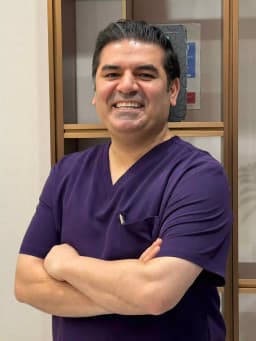
Cosmetic Dentistry Clinic
Cosmetic Dental Team at Cosmetic Dentistry Clinic
With years of experience in cosmetic and restorative dentistry, Cosmetic is dedicated to helping patients achieve their perfect smile through personalised care and cutting-edge techniques.