
Introduction
Many patients preparing for dental implants focus primarily on the surgical procedure itself — quite understandably so. However, one aspect of the recovery process that is often overlooked is the role that nutrition plays in supporting healing after implant placement. Following dental implant surgery, your body begins a complex biological process to integrate the implant with the surrounding jawbone. This process, known as osseointegration, relies heavily on the nutrients your body has available to it.
People frequently search for practical guidance on how to eat well and recover effectively after dental implant treatment. Understanding which foods and nutrients may support dental implant recovery can help patients feel more in control during the healing period and contribute to a smoother, more comfortable experience.
This article explores how nutrition can support dental implant recovery, which specific nutrients may be beneficial, what to eat and avoid after surgery, and when it may be appropriate to speak with a dental professional.
Featured Snippet: How Can Nutrition Support Dental Implant Recovery?
Nutrition can support dental implant recovery by supplying the body with key nutrients — including protein, vitamin C, vitamin D, calcium, and zinc — that assist with tissue repair, bone integration, and immune function. A balanced, nutrient-rich diet during the healing period may help promote osseointegration and reduce the risk of post-surgical complications.
Understanding Dental Implants and the Healing Process
Dental implants are titanium posts surgically placed into the jawbone to replace missing tooth roots. Once in place, they undergo a biological process called osseointegration, during which the surrounding bone tissue gradually fuses with the implant surface. This process typically takes several weeks to months and is fundamental to the long-term stability of the implant.
During the initial recovery period — usually the first few days to weeks after surgery — the body is actively working to manage inflammation, repair soft tissue, and initiate bone remodelling. This is a metabolically demanding process that requires adequate energy and a broad spectrum of nutrients.
Although surgical technique and post-operative care are central to implant success, a patient's overall nutritional status can influence how efficiently the body heals. Patients who are nutritionally deficient in certain areas may experience a slower recovery. Conversely, those who maintain a well-balanced diet tend to be better placed to support the biological demands of healing.
If you are considering tooth replacement treatment, a consultation with a dental professional can help clarify what to expect during recovery and whether dental implants may be suitable for your individual circumstances.
Key Nutrients That May Support Dental Implant Recovery
Protein
Protein is one of the most important macronutrients during any surgical recovery. It plays a central role in tissue repair, immune function, and the synthesis of collagen — a structural protein found in gum tissue, bone, and the connective tissues surrounding the implant site.
Good dietary sources of protein include eggs, fish, poultry, dairy products, legumes, and tofu. Patients who struggle to eat solid foods in the early days after surgery may find that protein-rich smoothies, yoghurt, or soft-boiled eggs are convenient and manageable options.
Vitamin C
Vitamin C is a water-soluble vitamin well recognised for its role in collagen production and immune support. It also functions as an antioxidant, helping to reduce oxidative stress during inflammation — a natural part of the early healing process.
Soft, vitamin C-rich foods that are gentle on surgical sites include blended fruit smoothies (avoiding acidic citrus in the first few days if sensitivity is present), mashed sweet potato, and well-cooked broccoli.
Vitamin D and Calcium
Vitamin D and calcium work together to support bone health and mineralisation. Since osseointegration depends on the body's ability to form new bone tissue around the implant, ensuring adequate intake of both nutrients is particularly relevant to dental implant recovery.
Vitamin D is found in oily fish, eggs, and fortified foods, and is also produced through sunlight exposure. Calcium is present in dairy products, fortified plant milks, leafy green vegetables, and tinned fish with bones.
Many adults in the UK have suboptimal vitamin D levels, particularly during winter months. A GP or dental professional may recommend a supplement if deficiency is identified.
Zinc
Zinc is a trace mineral that contributes to wound healing, immune defence, and cell division. It is found in meat, shellfish, seeds, nuts, and wholegrains. Ensuring adequate zinc intake during recovery may support the body's ability to repair tissue efficiently.
Omega-3 Fatty Acids
Omega-3 fatty acids, found in oily fish such as salmon, mackerel, and sardines, as well as flaxseed and walnuts, have anti-inflammatory properties that may help modulate the inflammatory response during early healing. While inflammation is a natural and necessary part of recovery, excessive or prolonged inflammation can hinder the healing process.
What to Eat After Dental Implant Surgery
During the initial days after implant surgery, the mouth is likely to be tender and sensitive. Choosing foods that are soft, easy to chew, and nutrient-dense can help patients maintain adequate nutrition without placing undue stress on the surgical site.
Recommended foods in the early post-operative period:
- Smooth soups and broths (not too hot)
- Natural yoghurt and dairy-based desserts
- Scrambled or soft-boiled eggs
- Mashed vegetables such as sweet potato, butternut squash, or avocado
- Smoothies and protein shakes (avoid using a straw, as suction can disturb healing tissue)
- Soft, flaky fish
- Well-cooked porridge or soft cereals
- Hummus and soft dips
As healing progresses and tenderness reduces, patients can gradually reintroduce a broader range of foods under the guidance of their dental team. Each patient's recovery timeline differs, and it is important to follow any specific dietary instructions provided by the treating clinician.
Foods and Habits to Avoid During Recovery
Just as certain foods can support dental implant recovery, others may place unnecessary strain on the healing site or increase the risk of complications.
Foods to avoid in the early recovery period:
- Hard, crunchy, or chewy foods (e.g. crusty bread, raw vegetables, tough meats, hard sweets)
- Very hot foods and drinks, which can increase blood flow to the area and intensify swelling
- Spicy or heavily seasoned dishes that may irritate soft tissue
- Alcohol, which can interfere with healing and interact with any prescribed medications
- Carbonated drinks and drinking through straws, which may disrupt clotting
Lifestyle habits to consider:
- Smoking is widely recognised as a risk factor for implant complications and impaired healing. Patients who smoke are generally advised to stop before and after implant surgery, though individual guidance should come from the treating dental professional.
- Excessive sugar intake may increase the risk of infection around the implant site, particularly during the vulnerable early healing phase.
The Clinical Science Behind Osseointegration and Nutrition
Osseointegration — the biological process by which a dental implant fuses with the surrounding jawbone — is the cornerstone of implant longevity and stability. Understanding the science behind this process helps explain why nutrition is so relevant to implant recovery.
When a titanium implant is placed into the jawbone, the body initiates a complex biological healing process to incorporate it safely. Osteoblasts — the cells responsible for building new bone — migrate to the implant surface and begin depositing mineralised tissue. This process requires a steady supply of calcium, phosphate, vitamin D, and protein. Without adequate nutritional support, bone formation may be slower or less effective.
At the same time, the surrounding soft tissue — gum and connective tissue — undergoes its own repair process. Collagen fibres, which depend on vitamin C and protein for their synthesis, form the scaffolding that stabilises the tissue around the implant.
Zinc and vitamin A support cell replication and immune surveillance, helping to prevent infection during this vulnerable period. Omega-3 fatty acids may help keep the inflammatory response proportionate, preventing the prolonged inflammation that could interfere with bone and tissue integration.
This biological cascade illustrates why recovery is not simply a passive process — it is an active physiological event that nutrition actively supports.
Hydration and Its Role in Healing
Adequate hydration is an often underappreciated aspect of surgical recovery. Water is essential for virtually every metabolic process in the body, including nutrient transport, immune cell function, and the removal of waste products from inflamed tissue.
Patients recovering from dental implant surgery are encouraged to drink plenty of water throughout the day. Staying well-hydrated supports the circulation of healing nutrients to the surgical site and helps maintain healthy saliva flow, which plays a natural protective role in the oral environment.
Herbal teas (at a comfortable temperature), diluted fruit squash, and water-rich foods such as cucumber, melon, and courgette can all contribute to daily fluid intake for patients who find plain water monotonous.
Caffeinated beverages such as coffee and strong tea are best consumed in moderation, as caffeine can have mild diuretic effects and may also interfere with sleep — an important factor in overall recovery.
Long-Term Nutrition for Implant Health
Supporting dental implants through good nutrition does not end once the initial healing period is complete. Long-term dietary habits influence the health of the bone and gum tissue that support the implant for years to come.
A diet rich in vegetables, lean proteins, whole grains, and dairy or calcium-fortified alternatives helps maintain bone density and supports the overall oral environment. Limiting sugary foods and drinks reduces the risk of gum disease and peri-implantitis — an inflammatory condition affecting the tissue surrounding the implant that, if left unmanaged, can threaten implant stability.
Regular dental check-ups and professional hygiene appointments are also central to long-term implant care. During these visits, a dental hygienist or dentist can monitor the health of the implant and surrounding tissues and offer personalised guidance on maintenance.
For patients interested in understanding the full scope of dental implant care, learning about professional hygiene care for dental implants can provide valuable long-term guidance.
When Professional Dental Assessment May Be Needed
Many patients experience some degree of swelling, tenderness, and mild discomfort in the days immediately following dental implant surgery. This is a normal part of the healing process and typically settles within a week or so with appropriate aftercare.
However, there are certain signs and symptoms that may indicate the need for a prompt dental review:
- Persistent or worsening pain beyond the first few days, rather than gradually improving
- Swelling that increases rather than subsides after the first 48–72 hours
- Signs of infection, such as discharge, an unpleasant taste or odour, or fever
- Implant mobility or looseness, which should never be present once healing is underway
- Difficulty eating or opening the mouth that does not improve over time
- Numbness or altered sensation that persists beyond the immediate post-anaesthetic period
None of these symptoms should cause undue alarm, but each warrants professional assessment rather than a self-directed approach. Patients should always feel comfortable contacting their dental practice with any concerns during recovery, however minor they may seem.
Prevention and Ongoing Oral Health Advice
Protecting a dental implant for the long term involves more than surgery and initial recovery. Ongoing oral hygiene, regular professional care, and a consistently health-conscious lifestyle all contribute to implant longevity.
Practical steps to support ongoing oral health after implant treatment:
- Brush twice daily using a soft-bristled toothbrush around the implant site, taking care to clean gently along the gumline
- Use interdental brushes or floss daily to clean between teeth and around the implant crown
- Attend regular dental check-ups as recommended by your dental team — typically every six months to one year, though frequency depends on individual circumstances
- Limit tobacco and alcohol use, both of which are associated with poorer oral health outcomes
- Maintain a balanced diet to support bone density and gum health
- Manage systemic health conditions such as diabetes, which can affect gum and bone health, in collaboration with relevant healthcare professionals
Prevention is always preferable to intervention. Establishing good habits early after implant treatment may help support the long-term health and stability of the implant.
Patients considering cosmetic dental treatments alongside implant restoration may also find it helpful to explore the range of cosmetic dentistry treatments available to support their overall smile goals.
Key Points to Remember
- Nutrition actively supports dental implant recovery by supplying the body with the nutrients needed for bone integration, tissue repair, and immune function.
- Key nutrients including protein, vitamin C, vitamin D, calcium, zinc, and omega-3 fatty acids each play a distinct and valuable role in the healing process.
- Dietary choices in the days and weeks following surgery can influence recovery — soft, nutrient-dense foods are generally recommended in the early post-operative period.
- Hydration is an underappreciated but important factor in recovery and should be actively maintained throughout the healing period.
- Long-term dietary habits contribute to the ongoing health of the bone and soft tissue surrounding the implant.
- Any unusual or worsening symptoms during recovery should be assessed by a dental professional promptly rather than managed without clinical guidance.
Frequently Asked Questions
What dietary approach is recommended immediately after dental implant surgery?
In the first few days following dental implant surgery, a soft, nutrient-dense diet is generally recommended. Suitable options include smooth soups, yoghurt, scrambled eggs, mashed vegetables, and protein-rich smoothies. Very hot, hard, crunchy, or chewy foods should be avoided during this period, as should drinking through straws. Your dental team will provide specific dietary guidance tailored to your individual procedure and recovery needs.
Can vitamin supplements help with dental implant recovery?
Certain vitamins and minerals — particularly vitamin D, vitamin C, and calcium — are known to support bone health and tissue repair. If a patient has identified nutritional deficiencies, supplementation may be beneficial. Suitability of any supplementation should be assessed on an individual basis by a qualified healthcare professional, as individual needs, health conditions, and medications vary. Supplements should ideally be discussed with a GP or dental professional before starting, as some supplements can interact with medications or affect healing in specific circumstances. A balanced diet remains the primary recommended approach.
How long does dental implant recovery take?
The initial soft tissue healing after implant surgery typically takes one to two weeks, during which time dietary adjustments are most relevant. Full osseointegration — the fusion of the implant with the jawbone — generally takes between three and six months, though this varies depending on individual factors such as bone quality, overall health, and whether any bone grafting was involved. Your dental team will monitor progress and advise you on each stage of recovery.
Does smoking affect dental implant recovery and nutrition?
Smoking is widely recognised as a risk factor for complications following dental implant surgery. It can impair circulation to healing tissue, reduce the body's ability to fight infection, and interfere with the osseointegration process. Some research also suggests that smoking affects the absorption and utilisation of certain nutrients important for healing. Patients are generally advised to stop smoking before and after implant treatment, though individual advice should come from the treating dental professional and, where relevant, a GP.
Can poor nutrition cause dental implant failure?
Severe nutritional deficiencies — particularly in vitamin D, calcium, and protein — can theoretically impair the osseointegration process and soft tissue healing around a dental implant. However, dietary insufficiency is rarely the sole cause of implant complications. Implant outcomes depend on a combination of factors including surgical technique, patient health, oral hygiene, and aftercare compliance. If you have concerns about your nutritional status, speaking with a GP or registered dietitian before or after implant surgery is a reasonable step.
When should I contact my dentist during implant recovery?
You should contact your dental practice if you experience persistent or worsening pain beyond the first few days, increasing swelling after the initial 72-hour period, signs of infection such as discharge or fever, any movement in the implant, or prolonged altered sensation. These symptoms do not necessarily indicate a serious problem, but they warrant professional assessment. Your dental team is best placed to evaluate any concerns during your recovery and should always be your first point of contact.
Conclusion
Dental implant recovery is a dynamic biological process that places real demands on the body. While surgical skill and post-operative care are central to a successful outcome, the role of nutrition in supporting dental implant recovery is both scientifically grounded and practically significant. Ensuring adequate intake of key nutrients — particularly protein, vitamin C, vitamin D, calcium, zinc, and omega-3 fatty acids — can help support the osseointegration process, promote soft tissue healing, and reduce the risk of complications.
Adopting a soft, nutrient-rich diet in the early recovery period, staying well-hydrated, and gradually reintroducing a broader range of foods as healing progresses are all practical steps patients can take to support their recovery from day one. In the longer term, maintaining a balanced diet and attending regular dental check-ups are equally important in protecting the health and longevity of a dental implant.
Every patient's recovery is unique. If you have concerns about your nutrition, your healing progress, or any symptoms arising after implant surgery, it is always appropriate to consult your dental team. Patients at our London clinic can discuss their individual circumstances with a qualified implant dentist who can offer guidance tailored to their specific situation.
Disclaimer: This article is for general educational information only and is not personalised dental advice. Diagnosis and treatment recommendations require a clinical examination by a qualified dental professional.
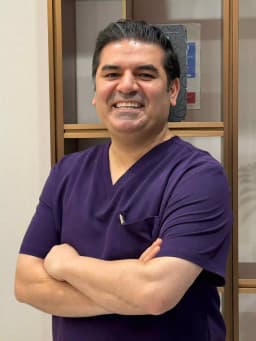
Cosmetic Dentistry Clinic
Cosmetic Dental Team at Cosmetic Dentistry Clinic
With years of experience in cosmetic and restorative dentistry, Cosmetic is dedicated to helping patients achieve their perfect smile through personalised care and cutting-edge techniques.