
Introduction
For many people living with physical disabilities, questions around dental implant aftercare can feel particularly complex. Wheelchair users, in particular, may find themselves wondering whether their specific circumstances could affect their recovery, daily oral hygiene routine, or long-term implant success. This is an entirely reasonable concern, and it is one that is increasingly recognised within patient-centred dental care.
Dental implant aftercare for wheelchair users is a topic that deserves thoughtful, practical guidance. Whether someone uses a wheelchair due to a spinal injury, neurological condition, or another mobility-related diagnosis, certain aspects of post-operative care may require careful planning and adaptation. This article explores those considerations in a straightforward and informative way.
Understanding how physical disability can intersect with implant recovery helps patients prepare more effectively and empowers them to ask the right questions during their dental consultations. Professional dental assessment remains essential for all treatment planning and aftercare guidance.
Featured Snippet Answer
Can wheelchair users face additional considerations for dental implant aftercare?
Yes, dental implant aftercare for wheelchair users may involve additional considerations. These can include adapted oral hygiene techniques, positioning challenges during home care, and potential medication or health factors that may influence healing. Individual needs vary widely, and a clinical assessment is essential to develop a personalised aftercare plan.
Understanding Dental Implant Aftercare: The Basics
Dental implants are small titanium posts surgically placed into the jawbone to act as artificial tooth roots. After placement, a process called osseointegration occurs — the implant gradually fuses with the surrounding bone over several weeks or months. During this healing period, aftercare is critically important.
Standard aftercare guidance typically includes:
- Avoiding hard or chewy foods during the initial healing phase
- Gentle brushing around the implant site
- Use of interdental brushes or floss to keep the area clean
- Attending all follow-up appointments
- Avoiding smoking and alcohol where possible
For most patients, these instructions are manageable with some adjustment to daily routine. However, for wheelchair users, certain practical factors may make some of these steps more challenging without the right support or adapted tools.
The goal of aftercare is to protect the implant during the critical osseointegration phase and to establish long-term oral hygiene habits that support implant health for years to come. This is equally important for all patients, regardless of mobility status.
How Mobility Considerations May Affect Oral Hygiene After Implant Placement
One of the most significant challenges for wheelchair users during implant aftercare may relate to maintaining consistent oral hygiene. Manual dexterity, upper limb strength, and the ability to access a sink or mirror at a practical height can all influence how effectively someone is able to clean their teeth and implant site at home.
For individuals with limited hand or arm movement, using a standard toothbrush effectively can be difficult. Some practical adaptations that may help include:
- Electric toothbrushes with ergonomic or chunky-grip handles, which require less manual effort and pressure
- Water flossers or oral irrigators, which can be easier to use than traditional floss for those with limited dexterity
- Interdental brushes in a variety of sizes that can be more straightforward to manoeuvre
- Adapted toothbrush holders or angled brush heads designed for individuals with reduced grip strength
Bathroom setup also matters. A wheelchair-accessible sink at an appropriate height, with a mirror positioned suitably, can make a considerable difference to the ability to carry out a thorough oral hygiene routine.
If you are preparing for dental implant placement and have concerns about your post-operative oral hygiene routine, it is well worth discussing this with your dental team in advance. They may be able to recommend specific tools or refer you to an occupational therapist for further support.
The Clinical Science Behind Osseointegration and Why Aftercare Matters
Understanding what happens beneath the gum line during implant healing can help patients appreciate why aftercare is so important. After a dental implant is placed, the body responds by beginning to integrate the titanium post with the surrounding alveolar bone — a process known as osseointegration.
During this period, the bone cells gradually attach to and grow around the surface of the implant. This creates a stable, anchor-like foundation for the artificial tooth (crown) that will eventually be fitted on top. Osseointegration typically takes between eight and sixteen weeks, though this varies between individuals.
For this process to be successful, the implant site must remain free from infection and excessive mechanical disruption. Bacteria present in the mouth, if allowed to accumulate around the implant, can trigger a condition called peri-implantitis — an inflammatory response affecting the tissues surrounding the implant. If left unmanaged, peri-implantitis can compromise the stability of the implant and potentially lead to its failure.
This is why consistent, thorough oral hygiene is not simply a cosmetic concern during recovery — it is a fundamental clinical requirement. For wheelchair users who may face challenges with this aspect of aftercare, finding workable, consistent solutions is especially important.
You can read more about dental implant treatment and the placement process on our clinic website.
Health Conditions Associated With Wheelchair Use That May Influence Healing
Wheelchair users represent an extremely diverse group of people, and their dental health needs are just as varied. Some individuals use wheelchairs due to conditions that may, in certain circumstances, have implications for implant healing or aftercare. It is important to note that this is not universally the case, and suitability is always determined through individual clinical assessment.
Some conditions that may be relevant to discuss with your dentist include:
Spinal Cord Injuries
Individuals with spinal cord injuries may experience altered sensation below the level of injury. This can, in some cases, affect awareness of pain or discomfort around the implant site, which might otherwise act as an early signal of a problem. It is important to attend all scheduled follow-up appointments so that your dental team can monitor healing progress.
Neurological Conditions
Conditions such as multiple sclerosis, muscular dystrophy, or cerebral palsy can affect fine motor control, which in turn may influence oral hygiene ability. Some medications used to manage neurological conditions may also affect saliva flow or oral health.
Diabetes
Diabetes is more prevalent among some populations who use wheelchairs, and it is well established that blood sugar management can influence wound healing following surgical procedures. Patients with diabetes are generally advised to ensure their condition is well managed prior to and following implant surgery.
Medications
Certain medications — including blood thinners, immunosuppressants, or bisphosphonates — may influence healing or implant success. A thorough medical history review is a standard part of any implant assessment consultation.
Discussing your full medical history openly and honestly with your dental team allows them to plan the most appropriate aftercare pathway for your individual circumstances.
Attending Follow-Up Appointments: Accessibility Considerations
Regular follow-up appointments are a standard and important part of dental implant aftercare. These visits allow the clinical team to monitor how the implant is integrating with the bone, check for any early signs of inflammation or infection, and gradually progress treatment towards the fitting of the final crown.
For wheelchair users, attending dental appointments may require additional planning. Key considerations include:
- Clinic accessibility: Not all dental practices offer fully accessible facilities. It is worth confirming in advance that the clinic has a ground-floor treatment room, accessible toilets, and appropriate parking or transport drop-off points. At Cosmetic Dentistry Clinic in London, patients with accessibility requirements are encouraged to contact the practice team in advance so that appropriate arrangements can be made.
- Transfer assistance: Some patients may require assistance transferring from a wheelchair to the dental chair. A good dental team will be experienced in accommodating this sensitively and safely.
- Appointment duration: Some wheelchair users may find longer appointments more fatiguing. Discussing this with the dental team prior to appointments can allow for appropriate planning, including breaks if needed.
The important message here is that follow-up appointments should not be skipped due to accessibility concerns. If a barrier exists, contacting the clinic to problem-solve is always encouraged.
Dietary Considerations During Implant Recovery
Following implant placement, a modified diet is recommended during the initial healing period. Typically, patients are advised to stick to soft foods and to avoid hard, crunchy, or very chewy items that could place unnecessary pressure on the implant site.
For wheelchair users, dietary considerations may include additional factors:
- Nutritional needs: Individuals with higher energy requirements due to their condition, or those taking medications that affect appetite, may benefit from guidance on how to meet nutritional needs while following a soft food diet.
- Hydration: Staying well hydrated supports overall healing and helps maintain healthy saliva flow, which plays a protective role in oral health.
- Avoiding smoking: Smoking significantly impairs healing after implant surgery and is associated with higher rates of implant failure. Support for smoking cessation is available through NHS services and can be discussed with your dental or medical team.
Gradual Loading: Why It Matters After Implant Placement
The image associated with this article highlights an important clinical concept: gradual loading. After an implant is placed, the restoration (crown or bridge) is not typically fitted immediately. Instead, a healing period is allowed before any functional pressure is placed on the implant. This staged approach is sometimes referred to as a loading protocol.
Gradual loading works by allowing osseointegration to progress without the additional mechanical stress of biting and chewing forces acting on the implant too early. Premature or excessive loading can disrupt the delicate process of bone integration and compromise the long-term stability of the implant.
For wheelchair users, gradual loading is equally applicable and important. The timeline and approach will be determined by the treating clinician based on factors such as bone quality, implant position, and the patient's overall health. Understanding this staged process can help patients feel more confident about why their dental team may recommend a period of time before the final tooth restoration is fitted.
Learn more about the stages of dental implant treatment and what to expect throughout the process.
Practical Oral Health Advice for Wheelchair Users During Implant Recovery
Here are some practical suggestions that may support effective aftercare for wheelchair users:
- Plan your oral hygiene routine at a time when energy levels are good, as fatigue can affect the quality of brushing and cleaning.
- Use an electric toothbrush with a pressure sensor to help ensure effective cleaning without over-pressure on the healing implant site.
- Consider a wall-mounted or adjustable mirror positioned at a height suited to wheelchair use to improve visibility during brushing.
- Speak to an occupational therapist if manual dexterity is a concern — they may be able to recommend adaptive equipment.
- Keep follow-up appointments even if they require extra planning, as these are important clinical check-ups, not optional.
- Inform your dental team of any new symptoms, including swelling, pain, or unusual taste, without delay.
- Discuss your home oral hygiene routine honestly with your dentist so that they can offer tailored advice based on your actual daily circumstances.
When Professional Dental Assessment May Be Appropriate
During implant aftercare, there are certain signs and symptoms that should prompt you to contact your dental team promptly. This is relevant for all patients, including wheelchair users.
You may wish to seek professional dental advice if you notice:
- Persistent pain or discomfort around the implant site that does not improve or that worsens after the first few days
- Swelling, redness, or warmth in the gum tissue surrounding the implant
- Bleeding that does not settle within the expected timeframe after surgery
- An unusual taste or smell in the mouth, which may indicate infection
- The implant feeling loose or movement where none was previously noted
- Difficulty eating that goes beyond what was expected during the healing phase
None of these symptoms are a cause for alarm in isolation, but they do warrant clinical evaluation. Early assessment allows your dental team to address any concerns promptly and helps protect the long-term success of your implant.
If you have any concerns following your implant placement, it is always appropriate to contact your dental practice directly rather than waiting for your next scheduled appointment.
You may also find it helpful to explore information about oral health and gum care to understand how the tissues surrounding your implant can be kept healthy over time.
Key Points to Remember
- Dental implant aftercare for wheelchair users may involve additional practical considerations, including adapted oral hygiene tools and accessible appointment planning.
- Physical conditions or medications associated with wheelchair use should be openly discussed with your dental team during consultation and aftercare.
- Maintaining thorough oral hygiene around the implant site is essential for successful osseointegration and long-term implant health.
- Gradual loading — waiting before placing functional pressure on the implant — is an important clinical stage that benefits all patients.
- Regular follow-up appointments should not be avoided; if accessibility is a concern, contacting your clinic in advance is always encouraged.
- Any unusual symptoms during recovery, including pain, swelling, or bleeding, should be reported to your dental team promptly.
Frequently Asked Questions
Can wheelchair users have dental implants?
In many cases, yes. Wheelchair use alone does not automatically disqualify someone from being a suitable candidate for dental implants. Suitability depends on a range of individual clinical factors, including jawbone density, overall oral health, and systemic medical conditions. A thorough clinical assessment is essential to determine whether implants are appropriate for a specific individual. Patients with complex medical histories are encouraged to discuss all relevant health information with their dental team during the consultation stage.
How can I maintain oral hygiene after implant surgery if I have limited hand dexterity?
There are a number of practical tools that may help. Electric toothbrushes with ergonomic handles or chunky grips require less manual effort than manual brushing. Oral irrigators (water flossers) can make interdental cleaning more manageable. Angled toothbrush heads and adapted grip aids are also available. Consulting an occupational therapist alongside your dental team can be particularly helpful in identifying the most suitable options for your individual circumstances.
Will my medication affect my dental implant healing?
Some medications can influence wound healing, bone density, or the risk of infection following implant surgery. These include blood thinners, bisphosphonates, immunosuppressants, and certain medications used to manage neurological or chronic conditions. This is why providing a complete and accurate list of all medications during your dental consultation is extremely important. Your dental team will review this information carefully as part of your treatment planning.
What is peri-implantitis and how can I reduce the risk?
Peri-implantitis is an inflammatory condition affecting the gum and bone tissue surrounding a dental implant. It is typically caused by bacterial accumulation around the implant site and, if unmanaged, can compromise implant stability. The most effective way to reduce the risk is through consistent, thorough oral hygiene — including regular brushing, interdental cleaning, and attendance at scheduled dental check-up and hygienist appointments. Avoiding smoking is also strongly associated with a lower risk of peri-implantitis.
How often should I attend follow-up appointments after implant placement?
The frequency of follow-up appointments varies depending on the individual treatment plan and how healing progresses. Your dental team will advise on the recommended schedule. Typically, appointments are arranged at intervals during the osseointegration phase and following fitting of the final crown. Attending all scheduled appointments is important, as they allow the clinical team to monitor healing and address any concerns at the earliest opportunity. If accessibility presents a barrier to attendance, contacting the clinic in advance to discuss options is always encouraged.
Are there any special dietary recommendations during implant recovery for wheelchair users?
The core dietary guidance following implant surgery — such as eating soft foods and avoiding hard or crunchy items — applies to all patients, including wheelchair users. Some individuals may have additional nutritional considerations based on their health condition or medications, and it may be worth discussing these with both your dental team and your wider healthcare providers. Staying well hydrated and maintaining a balanced diet are generally supportive of the healing process.
Conclusion
Dental implant aftercare for wheelchair users is an area that deserves thoughtful, individualised attention. While the core principles of implant aftercare apply equally to all patients — thorough oral hygiene, avoiding certain foods, attending follow-up appointments, and monitoring for symptoms — wheelchair users may encounter additional practical considerations that are worth planning for in advance.
The good news is that, with the right tools, support, and communication with your dental team, many of these challenges can be effectively managed. No two patients are the same, and a skilled dental team will work with you to develop an aftercare plan that reflects your individual circumstances, lifestyle, and health needs.
Disclaimer: This article is for general educational information only and is not personalised dental advice. Diagnosis and treatment recommendations require a clinical examination by a qualified dental professional.
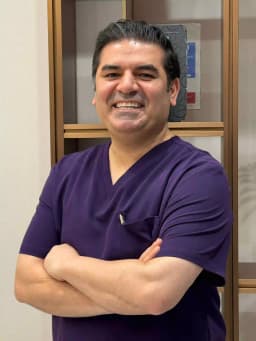
Cosmetic Dentistry Clinic
Cosmetic Dental Team at Cosmetic Dentistry Clinic
With years of experience in cosmetic and restorative dentistry, Cosmetic is dedicated to helping patients achieve their perfect smile through personalised care and cutting-edge techniques.