
Introduction
If you have recently had a dental implant placed, or you are in the early stages of researching the procedure, you may have found yourself asking questions that go beyond the surgery itself. One concern that patients frequently raise — particularly during summer months or during extended periods spent in air-conditioned environments — is whether the quality or humidity of the air they breathe could have any bearing on dental implant healing.
It is a thoughtful and entirely reasonable question. Dental implant healing is a complex biological process, and patients are understandably keen to protect their investment and their comfort during recovery. Searching online for answers is a natural first step, though it can sometimes lead to conflicting or unclear information.
This article aims to provide a clear, balanced educational overview of how environmental factors such as dry air and air conditioning may relate to dental implant healing, what the current understanding suggests, and when it would be appropriate to seek professional advice from your dental team.
Can Dry Air or Air Conditioning Affect Dental Implant Healing?
Dry air and air conditioning can contribute to a drier oral environment, which may affect the moisture levels in the mouth during dental implant healing. A well-hydrated mouth supports healthy gum tissue and saliva production, both of which play a role in protecting the implant site during the early stages of recovery.
Understanding Dental Implant Healing: A Brief Overview
Before exploring the role of environmental conditions, it is helpful to understand what dental implant healing actually involves. When a titanium implant is placed into the jawbone, a biological process called osseointegration begins. This is where the bone tissue gradually fuses with the implant surface, anchoring it firmly in place over a period of several weeks to months.
If you want a deeper clinical explanation of this process, see our guide to biological changes after dental implant placement.
During this time, the surrounding soft tissue — including the gums — also heals around the implant site. Healthy gum tissue acts as a protective seal, helping to prevent bacteria from reaching the implant and underlying bone. Saliva plays a supporting role throughout this process, providing antimicrobial proteins, maintaining pH balance, and keeping soft tissues moist and resilient.
Any factor that disrupts the oral environment during this critical period deserves consideration. While the vast majority of implant healing is determined by surgical technique, bone quality, oral hygiene, and general health, environmental conditions can form part of the wider picture that patients should be aware of.
If you are considering implant treatment and would like to understand what the process involves, our dental implants service page provides a comprehensive overview tailored to patients in London.
How Dry Air May Influence Oral Moisture Levels
Dry air — whether caused by low atmospheric humidity, central heating, or prolonged exposure to air conditioning — can reduce the moisture levels in the oral cavity. This occurs because breathing in drier air, particularly through the mouth, can accelerate the evaporation of saliva from soft tissues.
Saliva is essential for oral health. It acts as a natural barrier against bacteria, helps neutralise acids, and keeps the mucosal lining of the mouth supple and comfortable. When saliva production is insufficient or oral tissues become notably dry, this condition is referred to clinically as xerostomia, or dry mouth.
In the context of implant healing, persistent dry mouth (xerostomia) can be a concern for the following reasons:
- Reduced antimicrobial protection: Saliva contains enzymes such as lysozyme and lactoferrin that help control bacterial populations in the mouth. Lower saliva flow means reduced natural defence.
- Tissue irritation: Dry gum tissue may become more susceptible to minor irritation, potentially slowing the healing of soft tissue around the implant site.
- Increased bacterial risk: A drier oral environment can allow certain bacteria to proliferate more readily, which in extreme cases could contribute to peri-implant complications.
It is important to note that occasional exposure to air conditioning or dry environments is unlikely to significantly compromise implant healing in otherwise healthy individuals. However, chronic dryness, particularly if accompanied by medical conditions or medications that already reduce saliva flow, warrants discussion with your dental professional.
The Role of Air Conditioning: What Patients Should Know
Air conditioning is a fixture of modern life, especially in office environments, hospitals, vehicles, and homes across the United Kingdom. During warmer months in London, many patients spend extended hours in air-conditioned spaces without giving it a second thought. For most people undergoing dental implant healing, this is not a significant concern — but understanding the potential indirect effects is worthwhile.
Air conditioning systems reduce ambient temperature and, in doing so, also reduce relative humidity. Breathing recirculated, drier air for prolonged periods — particularly if you tend to breathe through your mouth — can contribute to a gradual drying of the oral mucosa. Some patients also report waking with a dry mouth after sleeping in air-conditioned rooms, which can be exacerbated by sleeping with the mouth open.
Additionally, air conditioning systems that are not properly maintained can circulate airborne particles and allergens. While research does not suggest a direct link between air conditioning and implant failure, any factor that contributes to dry mouth, increased mouth breathing, or mild respiratory irritation during recovery is worth being mindful of.
Practical awareness, rather than alarm, is the key message here. Most patients with dental implants who live and work in air-conditioned environments heal without issue, provided they maintain good hydration, oral hygiene, and attend their follow-up appointments.
The Clinical Science Behind Oral Hydration and Implant Site Health
To understand why oral moisture matters during dental implant healing, it helps to look at the biology of the soft tissue healing process. After an implant is placed, the gum tissue around the site undergoes a structured healing response:
- Haemostasis and early clot formation — A blood clot stabilises the wound site in the first hours following surgery.
- Inflammatory phase — Immune cells move into the area to clear debris and begin the repair process. This phase typically lasts several days.
- Proliferative phase — New connective tissue and blood vessels form beneath the gum surface. Adequate moisture supports cell migration and tissue hydration.
- Remodelling phase — The tissue matures and integrates around the implant abutment over weeks to months.
Saliva and oral moisture support several of these stages. Mucins — the glycoproteins found in saliva — help maintain the integrity of the oral epithelium (the surface layer of the gum tissue). When this layer is insufficiently hydrated, it becomes more vulnerable to micro-damage and less effective as a biological barrier.
Dehydration at the systemic level can also reduce saliva production, which is another reason why general hydration is frequently highlighted as important during implant recovery.
Symptoms That May Suggest Oral Dryness During Implant Recovery
Patients should be aware of signs that their oral environment may be drier than is comfortable or conducive to healing. These can include:
- A persistently dry or sticky sensation inside the mouth
- Cracked or uncomfortable lips
- Mild soreness or sensitivity around the gum tissue near the implant site
- A feeling of thirst that is not easily resolved
- Waking with a notably dry mouth in the morning
- Difficulty swallowing or speaking comfortably
These symptoms do not necessarily indicate a problem with the implant itself, but they do suggest that oral hydration should be actively supported. If symptoms are persistent, unusual, or accompanied by visible changes at the implant site — such as swelling, redness, or discharge — it is advisable to contact your dental practice promptly for an assessment.
When Professional Dental Assessment May Be Appropriate
While mild oral dryness is usually manageable with simple lifestyle adjustments, there are circumstances during dental implant healing where professional evaluation is recommended. You should consider contacting your dental team if you notice:
- Persistent pain or discomfort around the implant site that is not improving as expected
- Swelling or redness in the gum tissue surrounding the implant that worsens rather than subsides
- Unusual discharge or an unpleasant taste near the implant site
- Bleeding that recurs or does not resolve after the immediate post-surgical period
- Looseness or any perceived movement of the implant crown or restoration
- Dry mouth that is severe, persistent, or associated with medications or a medical condition
Early review is generally preferable to waiting. Most issues identified promptly can be addressed effectively. It is also worth noting that certain medications — including antihistamines, antidepressants, and diuretics — are known to reduce saliva production as a side effect. If you are taking any such medications, discussing this with your dental team before or after implant surgery is sensible.
It is important to emphasise that any concern about implant healing should be assessed during a clinical examination. This article cannot substitute for a professional review of your individual circumstances.
How to Support Dental Implant Healing in Dry or Air-Conditioned Environments
There are several practical, evidence-informed steps patients can take to support a healthy oral environment during dental implant healing, particularly if they spend significant time in dry or air-conditioned spaces:
Stay Well Hydrated
Drinking sufficient water throughout the day — approximately 6–8 glasses as a general guide for adults — helps maintain saliva production and keeps oral tissues hydrated. Sipping water regularly, rather than drinking large amounts infrequently, is more effective for oral moisture.
Breathe Through Your Nose Where Possible
Mouth breathing significantly increases oral evaporation. If you have nasal congestion or a condition that causes habitual mouth breathing, discussing this with your GP or dental team may be worthwhile, particularly during the implant healing period.
Use a Room Humidifier
In spaces where you have control over the environment — such as your bedroom or home office — a humidifier can help maintain a more comfortable level of ambient humidity. This may be particularly beneficial overnight.
Avoid Alcohol and Caffeine in Excess
Both alcohol and caffeine are associated with dehydration and can reduce saliva flow. Moderating intake, particularly in the weeks following implant surgery, is a sensible precaution.
Follow Your Post-Operative Care Instructions
Your dental team will provide specific aftercare guidance following implant surgery. This typically includes advice on oral hygiene, diet, and activities to avoid. Following these instructions carefully remains the most important step in supporting successful healing.
Attend All Follow-Up Appointments
Regular post-operative reviews allow your dental team to monitor healing progress, address any early concerns, and provide guidance tailored to your individual recovery. These appointments are a key component of safe and successful implant care.
For broader information on maintaining oral health around dental restorations, our oral hygiene advice pages may also be of interest.
Other Environmental and Lifestyle Factors That Can Affect Implant Healing
Dry air is just one of several environmental or lifestyle factors that patients sometimes ask about in relation to implant recovery. For a well-rounded understanding, it is helpful to be aware of other influences that dental research has associated with implant healing:
- Smoking: Strongly associated with impaired healing, reduced blood supply to gum tissue, and increased risk of peri-implant complications. Most dental teams advise against smoking during the healing period.
- Diet: A diet lacking in key nutrients — particularly vitamin C, vitamin D, and calcium — can affect tissue repair and bone health.
- Stress: Chronic psychological stress can modulate immune function, which in turn may affect healing capacity.
- Alcohol: Beyond its dehydrating effects, excessive alcohol consumption can interfere with the body's healing processes.
- Oral hygiene: Poor plaque control around the implant site is one of the most well-documented risk factors for peri-implant disease.
None of these factors operate in isolation, and their significance varies depending on the individual. A thorough pre-treatment consultation and ongoing communication with your dental team is one of the most reliable ways to identify and manage any factors relevant to your situation.
If you are at an earlier stage of considering implants and would like to explore whether you are a suitable candidate, our smile consultation service can provide a personalised clinical assessment.
Key Points to Remember
- Dental implant healing relies on a healthy oral environment, and saliva plays an important protective role throughout recovery.
- Dry air and air conditioning can contribute to a drier mouth, which may be worth managing during the healing period — particularly for those already prone to dry mouth.
- Staying well hydrated, breathing through the nose, and using a humidifier in your immediate environment are practical steps that may help.
- Persistent dry mouth, especially related to medications or medical conditions, should be discussed with your dental or medical team.
- Symptoms such as unusual pain, swelling, or discharge around an implant site should be assessed promptly by a dental professional.
- Attending scheduled follow-up appointments is essential to monitor healing and address any concerns early.
Frequently Asked Questions
Can air conditioning cause a dental implant to fail?
There is no direct clinical evidence that exposure to air conditioning causes dental implant failure. However, air conditioning can contribute to a drier oral environment, particularly in those who breathe through their mouths or who have an existing tendency towards dry mouth. In combination with other risk factors, persistent oral dryness could theoretically affect soft tissue healing. Maintaining good hydration and following post-operative care instructions remains the most reliable way to support implant healing in any environment.
How long does dental implant healing take?
The timeline for dental implant healing varies between individuals, but osseointegration — the process by which the implant fuses with the jawbone — typically takes between three and six months. Soft tissue healing around the gum is usually more rapid, often settling within a few weeks. Your dental team will monitor your progress at scheduled review appointments and will advise you on when the restorative stage of treatment — such as fitting the crown — can proceed. Individual healing timelines depend on several clinical factors.
Is dry mouth common after dental implant surgery?
Some patients do experience a degree of dry mouth following dental implant surgery, which may be related to post-operative anxiety, changes in eating and drinking patterns, or medications prescribed as part of the aftercare protocol. This is usually temporary. If dry mouth persists beyond the immediate recovery period, it is worth mentioning to your dental team, particularly if it is accompanied by discomfort around the implant site.
What can I drink to help with dry mouth during implant recovery?
Water is the most beneficial drink for maintaining oral hydration. Sipping water consistently throughout the day is more effective than drinking large volumes at once. Milk can also be soothing. It is generally advisable to limit alcohol, caffeinated beverages, and carbonated drinks — particularly in the early post-operative period — as these may contribute to dehydration or cause irritation at the healing site. Your dental team will provide specific dietary guidance following surgery.
Should I use a mouthwash if my mouth feels dry after implant surgery?
Mouthwash use following implant surgery should be guided by your dental team's specific instructions. Some mouthwashes — particularly those containing alcohol — can exacerbate dryness. A prescribed or recommended chlorhexidine rinse may be advised for a limited period post-surgery to support oral hygiene. Dry mouth products, including saliva substitutes or oral moisturising gels, are available over the counter and may be recommended in some cases, but their use should be discussed with your dental professional first.
Does the time of year affect dental implant healing?
Research does not indicate that the season in which implant surgery is performed significantly affects outcomes for most patients. However, environmental factors associated with different seasons — such as increased central heating and lower humidity in winter, or more time spent in air conditioning during summer — may influence oral moisture levels for some individuals. Regardless of when surgery takes place, the same post-operative principles apply: stay hydrated, maintain gentle oral hygiene, attend follow-up appointments, and contact your dental team if you have any concerns.
Conclusion
Dry air and air conditioning are unlikely to pose a significant threat to dental implant healing for the majority of patients. However, they can contribute to a drier oral environment, and a well-hydrated mouth is genuinely supportive of the healing process. Understanding this relationship allows patients to take simple, practical steps — such as staying hydrated, using a humidifier, and being mindful of mouth breathing — that may contribute positively to their recovery.
Dental implant healing is influenced by many factors, and the overall clinical picture — including bone quality, oral hygiene, medical history, and surgical technique — carries considerably more weight than environmental humidity alone. That said, patient awareness of relevant factors is usually beneficial.
If you have any concerns about your healing progress, your oral comfort, or your environment during recovery, do not hesitate to contact your dental team. Early conversations are usually preferable to delayed concerns.
Dental symptoms and treatment options should be assessed individually during a clinical examination.
Disclaimer: This article is for general educational information only and is not personalised dental advice. Diagnosis and treatment recommendations require a clinical examination by a qualified dental professional.
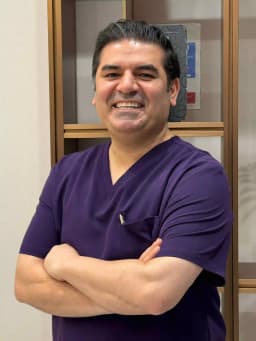
Cosmetic Dentistry Clinic
Cosmetic Dental Team at Cosmetic Dentistry Clinic
With years of experience in cosmetic and restorative dentistry, Cosmetic is dedicated to helping patients achieve their perfect smile through personalised care and cutting-edge techniques.