
Introduction
If you have recently had a dental implant placed — or are planning to — you may be wondering how soon you can return to activities you love, such as swimming or scuba diving. This is one of the most common questions patients ask during their recovery period, and it is entirely understandable. Active lifestyles and watersports are part of daily life for many people in and around London, and the thought of pausing those activities can feel frustrating.
Swimming and scuba diving after dental implants raises a number of important considerations: the healing process, the effects of water pressure, the risk of infection, and the mechanical demands placed on the implant site. While mild swimming is generally considered lower risk than scuba diving, both activities deserve careful thought during the osseointegration (bone bonding) phase of implant healing.
This article explores what the evidence and clinical guidance suggest, explains the science of implant healing, and outlines when it may be appropriate to seek professional advice before returning to water-based activities. Individual circumstances vary, and a clinical assessment is always the most reliable guide.
Quick Answer
Swimming after dental implants is generally considered lower risk but is best avoided in the immediate post-operative period. Scuba diving after dental implants requires more caution, as changes in pressure may affect healing tissue. Most clinicians advise waiting until osseointegration is confirmed before resuming high-intensity water activities. Always consult your dental professional before returning to either activity.
Understanding Dental Implants and the Healing Process
Before considering any physical activity following dental implant surgery, it is helpful to understand what is actually happening inside your jaw during recovery. A dental implant is a small titanium post that is surgically placed into the jawbone to replace the root of a missing tooth. Over the weeks and months that follow, the bone gradually fuses to the surface of the implant through a biological process known as osseointegration.
This process is remarkably robust, but it is also sensitive to disruption during the early stages. The gum tissue around the implant site must seal properly, and the surrounding bone must remodel and integrate with the implant surface without interference. Any significant mechanical stress, infection, or trauma to the area during this window can potentially affect the outcome.
The typical osseointegration period lasts between three and six months, though this varies depending on individual bone density, overall health, the number of implants placed, and whether any bone grafting was required. During this time, the implant site is considered an active healing wound and should be treated with appropriate care.
Understanding this timeline helps put the question of swimming and scuba diving after dental implants into proper context. The concern is not simply about water entering the mouth — it is about protecting a delicate and critical healing phase.
Can You Go Swimming After Dental Implants?
Swimming is one of the most popular forms of exercise in the UK, and many patients are keen to return to the pool or open water as quickly as possible following their dental implant procedure.
In the first 24–72 hours following implant surgery, swimming of any kind is generally not advisable. This early stage is when blood clot formation and initial wound closure are at their most critical. Physical exertion, including swimming, can elevate blood pressure and heart rate, which may disrupt the clot or cause renewed bleeding at the surgical site.
In the first one to two weeks, gentle swimming in a clean, chlorinated pool may be permissible for some patients, but this should only be undertaken on the advice of your treating clinician. Exposure to open water — lakes, rivers, and the sea — carries a higher bacterial load and is generally considered a greater infection risk during this period.
After the initial healing phase, most patients can return to recreational swimming gradually, provided the gum tissue has sealed well and there are no signs of complications such as infection or implant mobility.
It is worth noting that chlorinated water can temporarily cause mild oral irritation. Rinsing your mouth gently with clean water after swimming is a sensible habit during recovery.
If you are considering dental implants in London, discussing your lifestyle and activity levels with your implant dentist at the planning stage means your recovery timeline can be tailored appropriately.
Scuba Diving After Dental Implants: A Closer Look
Scuba diving introduces a specific set of physiological considerations that make it more complex than surface-level swimming. The primary concern relates to barotrauma — the physical effect of changing pressure on body tissues and air-containing spaces.
When a diver descends, ambient pressure increases significantly. The sinuses, middle ear, and even tooth-related air spaces respond to this pressure change. In individuals with healthy dentition, the oral structures generally tolerate these changes without difficulty. However, in the context of recent dental implant surgery, there are several reasons why caution is warranted.
Barodontalgia, sometimes informally referred to as "tooth squeeze," is a well-documented phenomenon in diving medicine. It describes tooth or jaw pain triggered by pressure changes at depth. In most cases, this occurs in relation to decayed teeth, failed restorations, or inadequately sealed dental cavities — but there is some clinical discussion around whether newly placed implants and their surrounding healing tissue may be more sensitive to pressure-related discomfort during the early recovery phase.
Additionally, mask squeeze and exertion during diving can elevate facial blood pressure, which may place indirect stress on healing soft tissue around the implant site.
There is currently limited specific research on scuba diving and osseointegration. However, based on general surgical wound-healing principles and the known effects of barotrauma, most dental professionals advise waiting until osseointegration is confirmed — typically via clinical and radiographic assessment — before returning to scuba diving.
The Clinical Science: Osseointegration and Physical Stress
To appreciate why physical activities such as swimming and diving require careful timing after implant surgery, it helps to understand the underlying biology of osseointegration in more detail.
When the implant post is placed in the jawbone, the surface of the titanium is designed at a microscopic level to encourage bone cell adhesion. Specialised cells called osteoblasts begin to lay down new bone matrix around the implant surface, gradually building a secure mechanical bond. This process is progressive and requires a stable environment — excessive movement or mechanical disruption at the implant site during this phase can interfere with successful integration.
The surrounding periimplant tissue (the gum and connective tissue immediately around the implant) also undergoes a structured healing process. A biological seal forms at the gum margin, which acts as a protective barrier against bacteria. If this seal is disturbed — by trauma, infection, or excessive pressure — the risk of periimplant mucositis (soft tissue inflammation) or, in more advanced cases, periimplantitis (infection of the bone around the implant) may be increased. If you want to understand early warning signs, this guide on spotting peri-implant mucositis around abutments may be helpful.
Activities that elevate heart rate, introduce external bacteria, or create mechanical strain around the implant site all have the potential — in theory — to influence this delicate healing environment. This does not mean all physical activity must stop; it means that specific high-risk activities should be approached gradually and with professional guidance.
Open Water Swimming: Additional Considerations
Open water swimming — whether in the sea, rivers, or lakes — presents a distinct risk profile compared to swimming in a well-managed, chlorinated pool. Natural water bodies contain a wide range of bacteria and microorganisms that are typically absent from treated pool environments.
During the first few weeks after dental implant surgery, the wound site is not yet fully sealed and the immune response at the local tissue level is ongoing. Introducing a high bacterial load via open water into or around the oral cavity creates a theoretical infection risk that is best avoided during the early healing period.
For those who regularly swim outdoors — a growing number of people in the UK — this can feel like a significant restriction. However, the early healing window is finite, and returning to open water swimming once your implant is confirmed to be healing well is entirely achievable for most patients.
Your treating clinician can advise on the appropriate timing based on how your individual recovery is progressing. Wound inspection appointments during the weeks after surgery give your dental team the opportunity to assess whether the soft tissue seal is intact and the site looks healthy.
When to Seek Professional Dental Assessment
Most patients recover well from dental implant surgery without significant complications. However, there are certain symptoms or circumstances where contacting your dental practice promptly is advisable, particularly if you have been engaged in swimming or water-based activities during recovery.
You may wish to seek a dental assessment if you notice:
- Persistent or increasing pain at the implant site that does not resolve as expected
- Swelling or redness around the gum tissue that is worsening rather than improving
- A foul taste or odour near the implant site, which may suggest infection
- Looseness or movement of the implant crown or healing cap
- Tooth or jaw pain during or after scuba diving
- Difficulty chewing that was not present immediately after surgery
- Any signs of bleeding from the implant site that are unexplained
These symptoms should be assessed calmly and without delay. Early intervention, where needed, generally leads to better outcomes. It is important to remember that most of these symptoms have straightforward explanations and do not necessarily indicate implant failure.
If you experience discomfort while diving or swimming, pausing that activity and arranging a check-up with your implant dentist is a sensible first step.
Prevention and Oral Health During Implant Recovery
Taking a proactive approach to oral hygiene and general health during the implant recovery period is an effective way to support a good outcome. There are several practical steps patients can take.
Oral hygiene: Maintaining excellent oral hygiene around the implant site is essential. Your dental team will provide specific guidance on how to clean the area without disturbing healing tissue. Typically, this includes using a soft-bristled toothbrush, gentle rinsing with prescribed or recommended mouthwash, and avoiding vigorous spitting or sucking actions in the early days.
Diet: A soft diet during the initial healing phase reduces mechanical stress on the implant site. Avoiding hard, crunchy, or chewy foods is generally recommended until the site has healed sufficiently.
Avoiding smoking and alcohol: Both smoking and alcohol consumption are associated with poorer implant healing outcomes. Patients are generally advised to avoid or significantly limit both during the recovery period.
Swimming and exercise: Returning to physical activity gradually, with clear communication to your dental team about your lifestyle, helps ensure that your recovery plan is realistic and individually appropriate.
Maintaining good oral health habits with regular hygienist support as part of long-term implant care is also important beyond the healing phase, as healthy gum tissue and bone are central to the ongoing success of dental implants.
Key Points to Remember
- Dental implants require an osseointegration period of typically three to six months, during which the implant bonds to the surrounding jawbone.
- Swimming in a clean pool is generally lower risk than open water swimming after implant surgery, but all aquatic activity should be avoided in the first few days post-surgery.
- Scuba diving after dental implants warrants particular caution due to pressure changes and physical exertion; most clinicians advise waiting until osseointegration is confirmed.
- Open water environments carry a higher bacterial load and are best avoided until the implant site has healed and the soft tissue seal is established.
- Symptoms such as increasing pain, swelling, or an unpleasant taste around the implant site should prompt a dental assessment.
- Always discuss your lifestyle and activities with your implant dentist before surgery so your recovery plan can be tailored to your individual needs.
Frequently Asked Questions
How long should I wait before swimming after dental implant surgery?
Most dental professionals advise avoiding swimming for at least the first 24 to 72 hours after implant placement, as this is the most critical period for initial wound closure and blood clot formation. For recreational swimming in a chlorinated pool, many patients can return within one to two weeks, subject to individual healing progress and the advice of their treating clinician. Open water swimming is generally best avoided for longer. Your dental team is best placed to advise on your specific timeline based on how your recovery is progressing.
Is scuba diving dangerous after dental implants?
There is no absolute evidence that scuba diving causes dental implant failure in patients who have fully healed. However, during the early healing phase, the pressure changes involved in diving — and the associated physical exertion — may place stress on healing tissue and could theoretically cause discomfort or complications. Most dental professionals recommend waiting until osseointegration is confirmed via clinical and radiographic review before returning to scuba diving. If you experience any tooth or jaw pain while diving, this should be assessed by a dental professional.
Can swimming pool water harm a healing dental implant?
Chlorinated swimming pool water is not inherently harmful to a healing implant site, but it can cause mild irritation to delicate oral tissue during the early recovery phase. The more significant concern is the physical activity of swimming, which can elevate blood pressure and heart rate, and any accidental impact to the face. Rinsing the mouth gently with clean water after swimming is a sensible precaution during recovery. Open water swimming carries a higher infection risk due to the bacterial content of natural water bodies.
What is osseointegration and why does it matter for activity levels?
Osseointegration is the biological process by which the jawbone fuses to the surface of the titanium implant post. This process typically takes between three and six months and creates the stable foundation that allows the implant to function like a natural tooth root. During osseointegration, the implant site is sensitive to mechanical disruption. Activities that place significant stress on the site — or introduce infection risk — during this period can potentially affect the outcome. This is why clinicians generally recommend a phased return to strenuous physical activities.
What symptoms should I watch for after swimming with a dental implant?
After returning to swimming during the recovery period, monitor the implant site for any changes, including increased pain or swelling, redness of the surrounding gum tissue, an unpleasant taste or odour near the implant, or visible changes around the healing cap or crown. If any of these symptoms develop or worsen, contact your dental practice for advice. In most cases, early assessment and simple intervention are sufficient to resolve minor complications. Do not attempt to self-diagnose or self-treat any changes you notice around an implant site.
Can I wear a mouthguard for scuba diving after dental implants?
Custom-fitted scuba diving mouthpieces and mouthguards are widely used and can be adapted to suit patients with dental restorations, including implants. If you are concerned about the fit or comfort of your diving equipment following implant treatment, it is worth discussing this with both your dental professional and your diving equipment provider. A well-fitted mouthpiece that does not place undue pressure on the implant site is generally considered preferable. If jaw tension or clenching is also a concern, this page on teeth grinding (bruxism) may be useful.
Conclusion
Returning to swimming and scuba diving after dental implant treatment is an entirely reasonable goal for most patients, and with appropriate planning and timing, the vast majority of people are able to resume water-based activities successfully. The key is understanding that dental implants involve a structured healing process, and that certain activities carry different levels of risk during the osseointegration phase.
Swimming in a clean, chlorinated pool represents a relatively lower-risk return to activity for most patients, provided the initial healing period is respected. Scuba diving after dental implants requires more careful consideration due to the effects of pressure changes and physical exertion, and is generally best deferred until osseointegration is clinically confirmed.
The most reliable guide to your individual recovery timeline is your treating dental team. Open communication about your lifestyle, hobbies, and activity levels — both before and after implant surgery — helps ensure that your care plan is realistic and appropriate for you. For broader recovery expectations, you may also find this article on what recovery can feel like after dental implant placement helpful.
Disclaimer: This article is for general educational information only and is not personalised dental advice. Diagnosis and treatment recommendations require a clinical examination by a qualified dental professional.
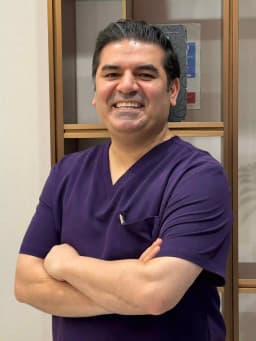
Cosmetic Dentistry Clinic
Cosmetic Dental Team at Cosmetic Dentistry Clinic
With years of experience in cosmetic and restorative dentistry, Cosmetic is dedicated to helping patients achieve their perfect smile through personalised care and cutting-edge techniques.