
Introduction
If you have recently had a dental implant placed and you also use an at-home LED facial device as part of your skincare routine, you may be wondering whether it is safe to continue. This is a completely understandable concern — and one that more patients are raising as LED light therapy becomes increasingly popular for skin rejuvenation and anti-ageing purposes.
Searching for clarity online is a natural response, but information about LED facial devices near a healing implant site can be limited, inconsistent, or overly technical. Understanding the potential interaction between photobiomodulation technology and the delicate osseointegration process matters, particularly during the critical early weeks of implant healing.
This article aims to explain what LED facial therapy involves, how dental implants heal, what the current understanding suggests about their interaction, and when it is appropriate to seek professional dental advice before resuming any facial device use. Your safety and the long-term success of your implant should always come first.
Are LED facial devices safe to use near a healing dental implant site?
LED facial devices near a healing implant site carry potential considerations that make caution advisable, particularly in the early weeks following surgery. While LED light therapy is generally considered low-risk for skin use, applying devices close to an active osseointegration site without clinical guidance is not recommended. Always consult your implant dentist before resuming use.
What Is LED Light Therapy and How Do These Devices Work?
LED (light-emitting diode) facial devices have grown considerably in popularity as at-home skincare tools. They emit specific wavelengths of non-UV light — typically red, near-infrared, or blue light — which are absorbed by tissues at varying depths depending on their frequency.
Red and near-infrared wavelengths, for example, are known to penetrate beyond the skin surface and into deeper soft tissue layers. This is the basis of a process called photobiomodulation (PBM), in which light energy stimulates cellular activity, promotes circulation, and may support tissue repair.
Blue light wavelengths are primarily used for surface-level antibacterial effects, particularly in acne management, and do not typically penetrate as deeply.
At-home LED devices range from handheld wands to full facial masks, and many are marketed for general use without specific guidance relating to post-surgical conditions. This is an important gap, since the biological processes occurring at an implant site are significantly more complex than typical skin concerns.
Understanding what these devices actually do to underlying tissues is essential context before considering their use near a healing jaw site.
How Does a Dental Implant Heal? Understanding Osseointegration
To appreciate why caution is warranted, it helps to understand how a dental implant integrates into the jaw following placement. Dental implants are titanium or titanium-alloy posts that are surgically inserted into the jawbone to act as artificial tooth roots.
Following placement, a biological process called osseointegration begins. This is when the surrounding bone gradually grows around and bonds with the surface of the implant. This process is critical to the long-term success of the implant and typically takes between three and six months, though this can vary between individuals.
During the early healing phase — the first four to twelve weeks — the implant site is particularly sensitive. The soft tissue is recovering from surgery, new bone is forming at the cellular level, and the body is managing localised inflammation as part of normal wound healing.
The area is also susceptible to disruption from physical pressure, infection, and certain biochemical changes. This is why post-operative instructions typically limit activities that could interfere with the site, including vigorous mouth rinsing, smoking, and applying external heat or pressure to the jaw region.
For patients considering dental implants in London, understanding the recovery process fully is an important part of planning treatment.
What Does the Science Say About LED Devices and Implant Sites?
The relationship between photobiomodulation and implant healing is an area of active clinical research, and the findings are nuanced. It is important to separate professional therapeutic laser and LED applications used in clinical settings from consumer-grade at-home LED devices.
In clinical dentistry, low-level laser therapy (LLLT) and professional photobiomodulation have been studied as adjuncts to promote bone healing and soft tissue recovery around implants. Some research suggests that professionally controlled wavelengths and dosages may support osseointegration when applied correctly under clinical supervision. However, these are controlled applications with specific protocols — not equivalent to consumer skincare devices.
At-home LED devices are designed and tested for skin surface applications. They are not calibrated for periimplant tissues, and their safety and efficacy near an active surgical site have not been established through robust clinical trials.
There is also a practical anatomical consideration. The face is relatively compact, and many LED facial masks or wands cover areas that are directly adjacent to the jaw, alveolar bone, and the implant site itself. Near-infrared wavelengths in particular can penetrate several centimetres into tissue, meaning the light may reach beyond the skin into deeper structures.
The key principle here is that the absence of established risk is not the same as established safety. Clinical prudence therefore favours deferring LED facial device use until the implant dentist has confirmed that osseointegration is progressing well.
Why the Healing Implant Site Requires Special Consideration
Several specific concerns arise when thinking about LED device use near an active implant healing site:
Heat accumulation: Some LED devices, particularly near-infrared devices, can generate mild thermal effects in tissue. Sustained heat near bone and titanium components could theoretically influence local circulation and cellular activity in ways that are not fully understood in this context.
Disruption to inflammatory signalling: Controlled, localised inflammation is a normal and necessary part of wound healing. Photobiomodulation has documented effects on inflammatory pathways. Unpredictably altering these signals at an implant site without clinical oversight could be counterproductive.
Infection risk: The skin directly over a healing implant site may still have micro-surgical wound sites. Applying pressure from a facial device or introducing a surface that is not sterile could carry an infection risk if used carelessly.
Titanium interaction considerations: Whilst titanium is biologically inert and widely regarded as safe, the broader question of how light interacts with metallic implant surfaces at a biological level remains an area requiring further research.
None of these concerns represent definitive contraindications based on currently available evidence. However, they represent sound clinical reasons for caution during the osseointegration window.
Clinical Explanation: The Cellular Biology of Wound Healing at the Implant Site
Following dental implant surgery, the healing process at a cellular level is remarkably sophisticated. In the first hours and days, platelets and immune cells migrate to the site, forming a blood clot and releasing growth factors that initiate tissue regeneration.
Over the following weeks, osteoblasts — the cells responsible for bone formation — begin depositing new mineralised tissue around the implant surface. The titanium surface is specially treated to be osteoconductive, meaning it actively supports this bonding process.
Concurrently, fibroblasts rebuild the connective tissue and gingival (gum) architecture above the implant. The blood supply to the area is re-established through angiogenesis — the formation of new blood vessels.
This entire cascade is regulated by a complex interaction of biochemical signals, oxygen levels, mechanical stability, and local temperature. Photobiomodulation is known to influence several of these variables — including mitochondrial activity, reactive oxygen species production, and nitric oxide release — which is why professionally applied therapy in controlled doses has been studied for potential benefit.
However, consumer devices operate without the precise calibration needed to support rather than disrupt this delicate balance. This is why professional guidance is essential before using any light-based device near the jaw during the healing period.
When You Should Speak to Your Implant Dentist
There are several circumstances where seeking professional dental advice before or after using an LED facial device would be appropriate:
- You have recently had implant surgery and wish to resume an established skincare routine that includes LED therapy
- You notice any new symptoms after using an LED device near the jaw, including unexpected swelling, discomfort, warmth, or sensitivity at the implant site
- You experience delayed healing or have been advised that osseointegration is progressing slowly
- Your implant site feels tender or inflamed without an obvious cause
- You are planning implant surgery and want to discuss how to temporarily modify your skincare routine around the procedure
It is important to emphasise that changes in comfort or healing progression around an implant site should always be assessed by a qualified dental professional. Early evaluation helps ensure that any concerns are addressed promptly and that the implant's long-term success is not compromised.
If you experience persistent pain, swelling, or signs of infection around your implant site at any time — whether related to LED device use or not — contact your dental clinic without delay.
Prevention and Oral Health Advice: Protecting Your Implant During Recovery
Giving your implant a good chance of successful osseointegration means being thoughtful about all aspects of your recovery — including which cosmetic or wellness routines you continue during this period.
Practical guidance for the healing period:
- Pause LED facial device use around the jaw area for at least the first three months post-surgery, unless your dentist advises otherwise
- Follow all post-operative instructions given by your implant dentist carefully, including dietary restrictions, oral hygiene protocols, and activity limitations
- Avoid applying heat or pressure directly to the jaw, particularly in the first few weeks following surgery
- Maintain excellent oral hygiene around the implant site using the gentle techniques recommended by your dental team
- Attend all follow-up appointments so your dentist can monitor osseointegration and advise you when it is safe to resume normal activities
- Inform your dental team about all cosmetic devices, supplements, or treatments you use regularly — this allows them to factor these into your aftercare advice
Good communication with your dental team is an effective way to support the long-term success of your implant treatment. Learning about dental implant recovery timelines can also help you plan your recovery effectively.
Key Points to Remember
- LED facial devices near a healing implant site should be used with caution, particularly during the active osseointegration phase
- At-home LED devices are not the same as clinically supervised photobiomodulation therapy and have not been specifically tested for safety in the context of post-surgical implant healing
- Near-infrared wavelengths can penetrate into deeper tissues and may reach the implant site if the device is used over the jaw area
- The osseointegration process is biologically complex and sensitive to various external influences
- Always consult your implant dentist before resuming LED facial device use following surgery
- Unexplained discomfort, swelling, or changes at the implant site should be evaluated by a dental professional promptly
Frequently Asked Questions
How long after dental implant surgery can I use an LED facial device?
There is no universally agreed timeline because individual healing varies. Most implant dentists would advise waiting until osseointegration has been confirmed — typically assessed at a follow-up appointment three to six months post-surgery. The safest approach is to ask your implant dentist directly, explaining the type of device you use and the wavelengths it emits. They can advise based on your specific clinical situation and healing progress. Do not rely on general online guidance as a substitute for personalised clinical advice.
Can LED light therapy interfere with osseointegration?
The direct evidence on this question from consumer devices is limited. Professional photobiomodulation using calibrated clinical equipment has been studied in the context of implant healing with some encouraging findings, but consumer LED devices are not equivalent. Their wavelength precision and dosage control differ significantly. Until more robust evidence is available, it is prudent to avoid using at-home LED devices directly over a healing implant site during the critical early months of osseointegration.
Are there any LED wavelengths more likely to be a concern than others?
Near-infrared wavelengths (typically 800–1100 nm range) are of particular consideration because they penetrate more deeply into tissue than red or blue light. These wavelengths can reach several centimetres beneath the skin surface, which means they may interact with the bone and implant tissues. Red light (typically 630–700 nm) has shallower penetration but can still reach the dermis and subcutaneous tissue. Blue light (around 415–450 nm) has the shallowest penetration and is primarily active at the skin surface.
What signs should I look out for at my implant site during recovery?
Signs that warrant prompt professional attention include persistent or worsening pain beyond the expected early healing period, localised swelling or redness that is increasing rather than reducing, a bad taste or unusual odour near the implant site, visible movement or instability of the implant crown, numbness, or any signs of discharge. These symptoms are not necessarily serious, but they should always be assessed by a dental professional rather than managed at home. Early evaluation is always preferable.
Is it safe to use an LED face mask that covers the cheeks but not the jaw?
Even facial masks that appear to cover the cheeks and upper face may direct light towards the jaw, particularly if they extend to the lower face or are used at an angle. Near-infrared light in particular does not stop at visible anatomical boundaries. If you are within the healing period post-implant surgery, the safest approach is to discuss this with your dentist before resuming use of any facial light device, regardless of the coverage area.
Should I tell my dentist I use an LED facial device before implant surgery?
Yes. Sharing information about all cosmetic devices, treatments, and supplements you use regularly is a helpful part of your pre-treatment consultation. This allows your dental team to provide comprehensive aftercare advice tailored to your lifestyle. Good communication before, during, and after treatment supports the best possible outcomes and means you will not need to guess whether specific routines are compatible with your recovery.
Conclusion
Understanding whether LED facial devices near a healing implant site are safe is a thoughtful and responsible question to ask. The answer, based on current clinical understanding, is one of caution rather than definitive prohibition. While at-home LED devices are widely used and generally considered safe for skin care, their use near an active osseointegration site during the post-surgical healing period carries considerations that are not yet fully resolved by clinical evidence.
The biology of implant healing is precise and sensitive. A prudent approach is to pause LED facial therapy around the jaw area following implant surgery and to seek specific guidance from your implant dentist before resuming. They are well placed to assess your healing progress and advise you on when it is appropriate to reintroduce cosmetic routines.
If you are experiencing any concerns about your implant recovery or would like to discuss the potential interaction of wellness devices with post-surgical healing, contact a qualified dental professional for an assessment. The implant consultation process explained here can help you understand what to expect from a clinical review.
If you also want broader context on recovery expectations, our guide on whether dental implants are painful and what recovery feels like may be helpful.
Disclaimer: This article is for general educational information only and is not personalised dental advice. Diagnosis and treatment recommendations require a clinical examination by a qualified dental professional.
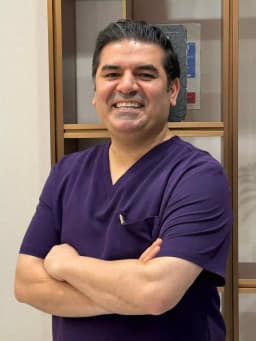
Cosmetic Dentistry Clinic
Cosmetic Dental Team at Cosmetic Dentistry Clinic
With years of experience in cosmetic and restorative dentistry, Cosmetic is dedicated to helping patients achieve their perfect smile through personalised care and cutting-edge techniques.