Introduction
If you live with sickle cell disease or carry the sickle cell trait, it is natural to have questions about how your condition might affect dental treatment — particularly more involved procedures such as dental implants. Many people in this situation search online, hoping to understand whether tooth replacement options are still accessible to them and what precautions might be necessary.
Sickle cell disease is a group of inherited blood disorders affecting the shape of red blood cells, which can influence circulation, healing, and the body's response to surgery. For those exploring dental implants in London, understanding how this condition interacts with oral surgery is an important first step.
This article aims to provide clear, balanced, and clinically responsible information to help you understand the key considerations surrounding dental implants and sickle cell disease. It is not a substitute for a thorough clinical assessment, which remains the essential starting point for anyone considering implant treatment.
Featured Snippet: Can People with Sickle Cell Disease Get Dental Implants?
Can you get dental implants if you have sickle cell disease or trait?
Dental implants may be possible for people with sickle cell disease or trait, but careful clinical assessment is essential. Sickle cell disease can affect healing, immune response, and surgical risk. Treatment suitability depends on disease severity, overall health, and close collaboration between your dental team and haematologist.
Understanding Sickle Cell Disease and Sickle Cell Trait
Sickle cell disease (SCD) is an inherited haemoglobin disorder in which red blood cells become abnormally shaped — rigid and crescent-like rather than flexible and round. This altered shape impairs their ability to travel through small blood vessels efficiently, potentially causing episodes known as sickle cell crises, as well as chronic complications affecting multiple organ systems.
Sickle cell trait is a different and generally much milder condition. People with sickle cell trait carry one copy of the sickle cell gene but typically do not experience the same range of symptoms as those with sickle cell disease. Under certain physiological stresses — such as severe hypoxia or dehydration — complications can occasionally arise, but most carriers lead entirely healthy lives.
Both conditions are more prevalent among individuals of African, Caribbean, Middle Eastern, and South Asian heritage, and they are relatively common in diverse communities across London.
Understanding which condition you have — disease versus trait — matters enormously when assessing suitability for dental procedures. The clinical risks associated with oral surgery differ considerably between the two groups, and an accurate medical history is vital before any treatment planning begins.
How Sickle Cell Disease May Affect Oral Health
People living with sickle cell disease often experience specific oral health challenges that may not be immediately obvious to a general audience. Understanding these helps contextualise why dental implant planning requires particular care.
Delayed dental development has been observed in some children with SCD, and this can influence the long-term structure of the teeth and jaw.
Pulp necrosis — the death of the soft tissue inside a tooth — can occur as a result of vaso-occlusive episodes (blockages in small blood vessels), sometimes without the typical pain signals that would prompt most patients to seek care. This means that damage inside a tooth may go undetected longer than usual.
Osteonecrosis of the jaw — a condition involving the death of bone tissue — is another consideration, though it is more commonly associated with certain medications than with sickle cell disease itself. Nevertheless, compromised circulation in the jaw area may warrant careful monitoring.
Increased susceptibility to infection is also relevant, as sickle cell disease can affect immune function. Any oral surgery carries a degree of infection risk, and this may be elevated in patients with SCD.
Regular dental check-ups are particularly valuable for patients with sickle cell disease. If you are looking to understand your oral health baseline, a comprehensive dental examination provides an important foundation.
The Clinical Science: Why Sickle Cell Disease Complicates Oral Surgery
Dental implants are small titanium posts surgically placed into the jawbone to act as artificial tooth roots. The success of an implant depends heavily on a process called osseointegration — the biological bonding of the titanium implant with the surrounding jawbone over a period of weeks and months.
For this process to succeed, the bone must be adequately vascularised (supplied with blood), and the body must mount a healthy healing response. In sickle cell disease, abnormal red blood cells can impair microvascular circulation — the tiny blood vessels that supply bone tissue with oxygen and nutrients. If this circulation is compromised in the jaw, osseointegration may be less reliable or slower than in patients without the condition.
Additionally, healing following any surgical wound requires coordinated immune responses. SCD can alter white blood cell function and the body's inflammatory response, potentially affecting how efficiently healing occurs following implant placement.
There is also the consideration of anaesthetic risk. Local anaesthesia is typically used for implant procedures, but if sedation or general anaesthesia is involved, additional precautions are needed for patients with SCD, as certain conditions during sedation (such as low oxygen levels) can trigger a sickle cell crisis.
None of this means that implants are categorically unsuitable — rather, it underscores why a thorough medical assessment must precede any treatment decision.
Sickle Cell Trait and Dental Implants: A Different Consideration
Individuals with sickle cell trait — as opposed to the full disease — generally face a lower level of surgical risk. Most people with sickle cell trait tolerate dental procedures, including implants, without significant complications when standard care protocols are followed.
That said, it is still important to disclose sickle cell trait status to your dental team before any surgical procedure. In rare circumstances — particularly if oxygen levels drop or the body is under significant physiological stress — the trait can become relevant to safe surgical planning.
In practice, many patients with sickle cell trait are treated successfully with dental implants when the following conditions are met:
- Full and honest disclosure of medical history to the dental team
- Pre-operative liaison with the patient's GP or haematologist where appropriate
- Adherence to standard infection control and post-operative care protocols
- Monitoring for any unusual healing responses during the recovery period
Open communication between patient and clinician is essential throughout this process.
Medical Collaboration: Why a Multi-Disciplinary Approach Matters
One of the most important principles when considering dental implants with sickle cell disease is the value of a coordinated, multi-disciplinary approach. Your dental surgeon should not be working in isolation — they should communicate directly with your haematologist or GP to understand:
- The severity and current management of your sickle cell disease
- Whether your haemoglobin levels are within a safe range for surgery
- Your current medication regimen and any relevant drug interactions
- Whether prophylactic antibiotics are appropriate
- Your history of sickle cell crises, including frequency and triggers
This kind of joined-up care is standard practice in responsible dental implant planning for medically complex patients. A dental team experienced in treating patients with systemic health conditions will understand the importance of this collaboration and will take the time to gather a thorough medical history before making any treatment recommendations.
To explore whether dental implants are appropriate for your individual circumstances, a detailed consultation with an experienced implant dentist is the recommended first step.
When Professional Dental Assessment May Be Needed
If you have sickle cell disease or trait and are experiencing any of the following, it is advisable to arrange a dental appointment without delay:
- Persistent toothache or jaw pain, particularly if it occurs alongside fever, facial swelling, or other symptoms of infection
- Tooth sensitivity that does not resolve or is worsening
- Loose teeth or noticeable changes in the way your teeth fit together
- Swollen or bleeding gums that do not improve with careful brushing and flossing
- Visible changes to gum tissue or bone around existing teeth
For patients with sickle cell disease, prompt attention to dental symptoms is especially important. Dental infections can escalate more rapidly in patients with compromised immune function, and early intervention is generally associated with better outcomes. There is no need to feel concerned about raising your medical history with your dentist — this information helps them provide the safest possible care.
Prevention and Oral Health Maintenance for Patients with Sickle Cell Disease
Maintaining excellent oral hygiene is beneficial for everyone, but it is particularly meaningful for patients with sickle cell disease, where the threshold between a minor dental issue and a more serious complication may be narrower.
Practical steps to support good oral health include:
- Brushing twice daily with a fluoride toothpaste, using a gentle technique to protect gum tissue
- Flossing or using interdental brushes daily to remove plaque from between teeth
- Attending regular dental check-ups — typically every six months, or as recommended by your dentist based on your individual risk profile
- Staying well hydrated, as dehydration can worsen sickle cell symptoms and may also contribute to a dry mouth, which increases the risk of tooth decay
- Avoiding smoking, which impairs healing, reduces immune function, and significantly increases the risk of implant failure and gum disease
- Informing your dentist of any changes to your sickle cell management, new medications, or recent health events before any treatment appointment
If you are considering restorative treatment and wish to understand your options beyond implants, cosmetic and restorative dentistry encompasses a range of approaches that can be tailored to individual medical circumstances.
Key Points to Remember
- Dental implants may be a viable option for some patients with sickle cell disease or trait, but individual clinical assessment is essential before any decision is made.
- Sickle cell disease can affect bone healing, circulation, and immune response — all of which are relevant to implant surgery outcomes.
- Sickle cell trait generally carries a lower surgical risk, though full medical disclosure to your dental team remains important.
- A multi-disciplinary approach involving your dentist and haematologist or GP is strongly recommended for safe treatment planning.
- Regular dental check-ups and excellent oral hygiene are particularly valuable for patients with sickle cell disease.
- Treatment suitability is always determined on an individual basis following a thorough clinical and medical assessment.
Frequently Asked Questions
Is it safe to have dental implants with sickle cell disease?
Safety depends on the severity of your condition and a thorough pre-operative medical assessment. Some patients with sickle cell disease may be suitable for dental implants, while others may be advised to consider alternative tooth replacement options. Your dental team should work closely with your haematologist to evaluate surgical risk, review your haemoglobin levels, assess your history of sickle cell crises, and determine the safest approach to treatment. There is no single universal answer — each case must be assessed on an individual basis.
Does sickle cell trait affect dental implant success?
People with sickle cell trait generally have a lower level of surgical risk compared to those with sickle cell disease. Many individuals with sickle cell trait undergo dental implant procedures without significant complications. However, it is important to inform your dental team of your trait status so that appropriate precautions can be taken. Your dentist may liaise with your GP to confirm that standard implant protocols are appropriate for your specific circumstances.
Can sickle cell disease cause tooth loss?
Sickle cell disease can contribute to dental problems over time, including pulp necrosis (death of the inner tooth tissue), which may eventually lead to tooth loss if untreated. Reduced bone density and circulation issues in the jaw can also affect the long-term stability of teeth. This makes regular dental monitoring particularly important for patients with SCD, as early identification of problems offers the best chance of preserving natural teeth.
What should I tell my dentist if I have sickle cell disease?
You should inform your dentist of your diagnosis at your first appointment and update them of any changes to your condition or treatment at subsequent visits. Relevant information includes: the type and severity of your sickle cell condition, your current medications, the name of your haematologist or specialist, your history of sickle cell crises, and any hospitalisations related to your condition. This information enables your dental team to plan your care safely and effectively.
Are there alternatives to dental implants for people with sickle cell disease?
Yes. If dental implants are not considered clinically appropriate for a particular patient with sickle cell disease, there are alternative tooth replacement options available, including dental bridges and dentures. These approaches do not involve surgical placement into the jawbone and may carry a lower level of procedural risk for some patients. Your dentist will be able to discuss all available options and help you understand which approach is best suited to your dental health, medical circumstances, and personal preferences.
How often should someone with sickle cell disease visit the dentist?
Patients with sickle cell disease are generally advised to attend dental check-ups at least every six months. In some cases, more frequent visits may be recommended depending on individual oral health needs and risk factors. Regular monitoring allows your dental team to identify and address any developing issues early, before they have the opportunity to escalate. Maintaining a consistent relationship with a trusted dental team is one of the most valuable things you can do to protect your long-term oral health.
Conclusion
Understanding the relationship between sickle cell disease and dental implants requires careful consideration of the condition's effects on healing, circulation, and immune function. While dental implants may be a realistic option for some patients with sickle cell disease or trait, suitability is never universal — it depends entirely on individual health factors, the severity of the condition, and the outcome of a thorough multi-disciplinary assessment.
If you are living with sickle cell disease or trait and are considering tooth replacement, the most important step you can take is to have an open and honest conversation with an experienced dental team. Bring your full medical history, involve your haematologist where appropriate, and allow your dental professionals to guide you towards the safest and most appropriate treatment pathway.
Preventative oral care — including regular check-ups, good daily hygiene habits, and staying well hydrated — remains a valuable foundation for protecting your dental health, whatever treatment decisions lie ahead.
Disclaimer: This article is for general educational information only and is not personalised dental advice. Diagnosis and treatment recommendations require a clinical examination by a qualified dental professional.
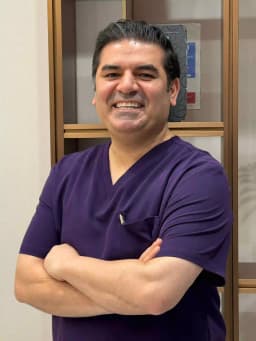
Cosmetic Dentistry Clinic
Cosmetic Dental Team at Cosmetic Dentistry Clinic
With years of experience in cosmetic and restorative dentistry, Cosmetic is dedicated to helping patients achieve their perfect smile through personalised care and cutting-edge techniques.