
Introduction
If you have recently had — or are preparing for — dental implant surgery, you may have come across post-operative instructions advising you to avoid dairy products in the hours immediately following your procedure. This piece of dietary guidance can seem puzzling at first, particularly if you associate dairy with calcium and bone health, which are both relevant to implant success.
You are not alone in searching for a clear explanation. Many patients researching dental implants in London find the post-operative dietary advice confusing or incomplete. Understanding why no dairy after dental implant surgery matters is an important part of preparing yourself for a safe and comfortable recovery.
This article explains the reasoning behind the dairy restriction, how your diet affects healing after implant surgery, what other foods to be mindful of, and when to contact your dental team if you experience unexpected symptoms during recovery. As always, your specific post-operative instructions should come directly from your treating clinician.
Why Is Dairy Avoided After Dental Implant Surgery?
Dairy products are typically avoided in the immediate hours after dental implant surgery because they can interact with certain anaesthetics and antibiotic medications, and may promote the growth of bacteria in the healing wound site. Avoiding dairy supports a cleaner oral environment during the critical early stages of implant healing and osseointegration.
Understanding Dental Implant Surgery and the Healing Process
Dental implants are titanium posts surgically placed into the jawbone to serve as artificial tooth roots. Once in position, they undergo a biological process called osseointegration, during which the surrounding bone gradually bonds with the implant surface. This process typically takes several weeks to months and is essential for the implant's long-term stability and function.
Because the procedure involves a surgical incision in the gum tissue and the placement of a foreign body into the jaw, the post-operative period is particularly sensitive. The tissues around the implant site need to remain clean, free from infection, and undisturbed by foods or substances that could interfere with initial healing.
Post-operative care instructions — including dietary restrictions — are designed to protect the wound site, reduce the risk of infection, and create the most favourable conditions for successful osseointegration. Dairy is one of several food types clinicians commonly ask patients to avoid, particularly in the first 24 hours.
If you are considering dental implants in London and would like to understand the full treatment journey, the dental implants service at The Cosmetic Dentistry Clinic provides a detailed overview of what to expect.
The Clinical Reason Behind Avoiding Dairy After Implant Surgery
The instruction to avoid dairy after dental implant surgery is primarily linked to two key concerns:
1. Interaction with Antibiotics
Following implant surgery, patients are frequently prescribed antibiotics to prevent post-operative infection and support a healthy healing environment. Certain antibiotics — particularly tetracyclines — are known to bind with calcium ions found in dairy products. This chemical interaction can reduce the absorption of the antibiotic into the bloodstream, making the medication less effective at a time when it is most needed.
While the specific antibiotic prescribed will vary between patients and clinicians, avoiding dairy within a few hours of taking antibiotic medication is a commonly recommended precaution.
2. Bacterial Growth in the Wound Environment
Dairy products — especially milk, cream, and soft cheeses — can leave residue in the mouth that creates a warm, nutrient-rich environment for bacterial proliferation. In the immediate post-operative period, the wound site is open and vulnerable. Bacterial activity near the implant site during this time could potentially increase the risk of complications, including localised infection.
Maintaining a cleaner oral environment in the hours after surgery helps protect the wound as it begins to close and initial healing takes place.
How Long Should You Avoid Dairy After Dental Implant Surgery?
The duration of the dairy restriction varies depending on the individual clinical situation, the specific medications prescribed, and the complexity of the procedure. In most cases, the advice to avoid dairy applies primarily to the first 24 to 48 hours following surgery.
Some clinicians may advise a longer restriction if a course of antibiotics is prescribed that requires consistent spacing from dairy intake throughout the treatment period.
It is important to follow the specific post-operative instructions provided by your own dental team, as these will be tailored to your individual treatment and medication plan. If you are uncertain about any aspect of your dietary restrictions, contact your dental clinic directly for clarification rather than relying on general guidance alone. You can also read about what to expect during dental implant recovery for further general information.
Never stop or modify a prescribed course of antibiotics without first consulting your dental or medical practitioner.
What Can You Eat After Dental Implant Surgery?
In addition to avoiding dairy, patients are usually advised to follow a soft food diet in the days following implant surgery. The aim is to avoid placing mechanical pressure on the implant site and to reduce the risk of food particles disturbing the wound.
Generally suitable soft foods during early recovery may include:
- Lukewarm soups and broths (not hot)
- Mashed potato or sweet potato
- Scrambled eggs (once dairy restriction has passed)
- Soft-cooked fish
- Avocado
- Smooth nut butters
- Well-cooked pasta or rice
- Bananas and other soft fruits
Foods generally advised to avoid in the early post-operative period include:
- Hard, crunchy, or chewy foods
- Spicy or acidic foods that may irritate the wound
- Very hot foods or drinks, which can disrupt the blood clot
- Alcohol, which can interfere with healing and medication
- Carbonated drinks, which may disturb the surgical site
- Dairy products during the restricted period
Maintaining adequate nutrition is important for healing. If you find it difficult to eat sufficient calories through soft foods alone, speak with your dental team for further guidance.
The Importance of Oral Hygiene During Implant Healing
Maintaining good oral hygiene is critical throughout the healing period, but it must be approached gently in the days immediately following surgery. Your dental team will provide specific instructions, which commonly include:
- Avoiding rinsing or spitting forcefully on the day of surgery, to protect the blood clot
- Gentle saltwater rinses from the day after surgery, to help keep the area clean
- Careful toothbrushing around the surgical site, avoiding direct contact with the wound
- Avoiding smoking, which is associated with significantly poorer implant outcomes
Good ongoing oral health — including regular professional maintenance — plays a long-term role in the success of dental implants. Patients with well-maintained gum health generally provide a more stable biological environment for osseointegration.
To understand how gum health relates to implant success, exploring our guidance on gum disease and periodontal health may be a helpful starting point.
When to Seek Professional Advice During Your Recovery
Most patients recover from dental implant surgery without significant complications when post-operative instructions are followed carefully. However, it is important to be aware of symptoms that may indicate a concern requiring clinical assessment.
You should contact your dental team if you experience:
- Swelling that is worsening rather than improving after the first 48 hours
- Persistent or increasing pain that is not managed by prescribed pain relief
- Signs of a possible infection, such as pus, unpleasant taste, or discharge from the wound site
- A fever or feeling generally unwell following surgery
- Numbness that is unexpected or prolonged
- The implant feeling loose or displaced
These symptoms do not necessarily indicate a serious problem, but they do warrant professional assessment rather than a wait-and-see approach. Contacting your dental clinic promptly allows your team to advise you appropriately based on your specific circumstances.
Dry Mouth, Dry Lips, and Their Relevance to Implant Recovery
One aspect of post-operative comfort that patients sometimes overlook is the importance of staying adequately hydrated and managing dry mouth during recovery. Dry mouth — also known as xerostomia — can be a temporary side effect of anaesthesia, stress, or certain medications taken around the time of surgery.
A dry oral environment can slow healing, reduce the natural antimicrobial properties of saliva, and increase discomfort around the wound site. Sipping water regularly throughout the day is encouraged, provided you do so gently and without disturbing the surgical area.
Dry or cracked lips are also common after dental procedures, particularly where the mouth has been held open for an extended period. Applying an unflavoured, unscented lip balm can help manage this discomfort.
If you experience persistent dry mouth that does not resolve within a few days of surgery, mention this to your dental team at your follow-up appointment, as it may be worth investigating further. Persistent dry mouth can also have an impact on long-term oral health beyond the implant healing period.
Prevention and Long-Term Oral Health After Dental Implants
Dental implants, when well maintained, can provide a long-lasting solution for tooth loss. Supporting the longevity of your implant involves a combination of professional and at-home care.
Practical steps to support long-term implant health include:
- Attending regular dental and hygiene appointments to monitor the implant, surrounding bone, and gum tissue
- Brushing twice daily with a soft-bristled toothbrush, paying attention to the gumline around the implant
- Using interdental brushes or water flossers to clean between and around implant-supported restorations
- Avoiding excessive consumption of sugary or acidic foods and drinks, which can affect the surrounding natural teeth and gum tissue
- Not smoking, as this is one of the most significant modifiable risk factors for implant failure
- Wearing a nightguard if you grind your teeth (bruxism), as grinding places excessive force on implants and restorations
If you are exploring options for replacing missing teeth and would like to understand the full range of available treatments, our missing teeth guidance page provides further educational information.
Key Points to Remember
- Dairy is typically avoided after dental implant surgery primarily because it can reduce antibiotic absorption and may encourage bacterial activity near the wound site.
- The restriction usually applies to the first 24 to 48 hours, but follow the specific guidance provided by your own dental team.
- A soft food diet is generally recommended during early recovery to avoid disturbing the surgical site.
- Good oral hygiene, adequate hydration, and avoiding smoking all support healthy healing.
- Contact your dental team if you notice signs of infection, worsening pain, or unexpected symptoms during recovery.
- Long-term implant success depends on ongoing oral hygiene and regular professional monitoring.
Frequently Asked Questions
How long should I avoid dairy after dental implant surgery?
Most post-operative guidelines advise avoiding dairy for the first 24 to 48 hours following dental implant surgery. This is particularly relevant if you have been prescribed antibiotic medication, as some antibiotics interact with the calcium in dairy products and may be absorbed less effectively when taken alongside them. Your dental team will provide you with specific timings based on the antibiotic or medication prescribed. Always follow your individual post-operative instructions rather than general guidance, and contact your clinic if you are unsure.
Can I drink milk after a dental implant?
Milk is a dairy product and is typically included in the list of foods and drinks to avoid during the initial post-operative period following dental implant surgery. The primary concern is the interaction between calcium in milk and certain antibiotic medications, as well as the potential for dairy residue to encourage bacterial growth near the healing wound. Once the restricted period has passed and your dental team confirms it is safe to do so, there is no ongoing reason to avoid milk as part of a balanced diet that supports overall bone and oral health.
Is yoghurt safe to eat after dental implant surgery?
Yoghurt is a dairy product and is generally included in the post-operative dairy restriction, particularly in the first 24 to 48 hours. Although yoghurt is soft in texture and might seem like an easy option after surgery, its dairy content means it carries the same concerns regarding antibiotic interaction and bacterial environment as other dairy products. Once the initial restriction period has passed, plain, unsweetened yoghurt may be suitable, but check with your dental team before reintroducing it, especially if you are still taking antibiotics.
What happens if I accidentally eat dairy after a dental implant?
Accidentally consuming a small amount of dairy in the restricted period is unlikely to cause a serious problem, but it could potentially reduce the effectiveness of antibiotic medication if the two are consumed close together. If you have taken an antibiotic alongside dairy, simply continue following your post-operative instructions and ensure subsequent antibiotic doses are spaced appropriately from dairy intake, as directed. If you are concerned or unsure, contact your dental team or the pharmacy that dispensed your medication for guidance specific to the antibiotic you have been prescribed.
Why do dentists prescribe antibiotics after dental implant surgery?
Dental implant surgery creates a wound in the gum tissue and involves placing a foreign body — the titanium implant — into the jawbone. Antibiotics are sometimes prescribed following implant surgery to reduce the risk of post-operative infection around the wound site. A localised infection in this area, sometimes referred to as peri-implantitis in its later stages, can threaten the stability and success of the implant. Not all patients will require antibiotics; your clinician will assess your individual risk factors and medical history to determine whether antibiotic therapy is appropriate for you.
Can a poor diet affect the success of my dental implant?
Nutrition plays a role in wound healing and bone health, both of which are important for successful osseointegration — the process by which the jawbone bonds with the implant. A balanced diet that supports immune function and bone density may contribute positively to recovery. In the immediate post-operative period, following dietary guidelines — including the dairy restriction — helps protect the wound site. Over the longer term, excessive consumption of sugary or acidic foods can affect the surrounding gum tissue and natural teeth, which in turn may influence the overall oral environment supporting your implant.
Conclusion
Understanding the reasoning behind post-operative dietary instructions — including why no dairy after dental implant surgery is typically advised — helps patients feel informed and confident as they prepare for and recover from treatment. The dairy restriction, while seemingly counterintuitive, serves a clinically sound purpose: it helps preserve the effectiveness of antibiotic medication and protects the healing wound site from unnecessary bacterial exposure during a critical period.
By following your dental team's post-operative guidance, maintaining good oral hygiene, staying hydrated, and attending scheduled follow-up appointments, you support a favourable environment in which your implant can heal and integrate.
If you experience any unexpected symptoms during your recovery, or if you have questions about your post-operative care, do not hesitate to contact your dental team. Early communication is always preferable to waiting when something feels uncertain.
Disclaimer: This article is for general educational information only and is not personalised dental advice. Diagnosis and treatment recommendations require a clinical examination by a qualified dental professional.
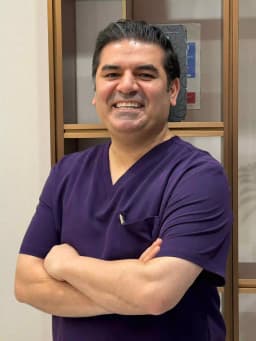
Cosmetic Dentistry Clinic
Cosmetic Dental Team at Cosmetic Dentistry Clinic
With years of experience in cosmetic and restorative dentistry, Cosmetic is dedicated to helping patients achieve their perfect smile through personalised care and cutting-edge techniques.