
Introduction
Many patients considering dental implants often wonder whether their existing medical conditions might affect their recovery. This concern is particularly common amongst adults who have chronic health conditions and are researching whether implant treatment is suitable for them.
Understanding how certain medical conditions can influence dental implant healing is important for setting realistic expectations and ensuring the best possible treatment outcomes. The healing process after implant placement involves complex biological mechanisms that can be affected by various health factors, medications, and underlying medical conditions.
Dental implant healing typically involves osseointegration, where the implant fuses with the surrounding bone tissue over several months. However, some medical conditions can slow this process, affect wound healing, or increase the risk of complications. This article explains how different health conditions may impact dental implant recovery and what patients should know before proceeding with treatment.
Do medical conditions affect dental implant healing?
Yes, certain medical conditions can significantly affect dental implant healing by interfering with the body's natural bone formation and wound healing processes. Conditions such as diabetes, autoimmune disorders, and osteoporosis can delay osseointegration and increase the risk of implant complications.
How diabetes affects dental implant recovery
Diabetes is one of the most common medical conditions that can influence implant healing. High blood glucose levels can impair the body's ability to fight infection and slow down tissue repair processes. Poor diabetic control may reduce blood flow to the gums and bone, which is essential for successful osseointegration.
Patients with well-controlled diabetes can still be suitable candidates for dental implants, but may require longer healing periods and more frequent monitoring during recovery. Your dental team will work closely with your medical doctor to ensure your blood sugar levels are optimised before and after implant placement.
The healing timeline for diabetic patients may extend beyond the typical 3-6 month period, and additional precautions may be necessary to prevent infection around the implant site.
Autoimmune conditions and implant integration
Autoimmune disorders such as rheumatoid arthritis, lupus, and Crohn's disease can affect how the immune system responds during the healing process. These conditions may interfere with the normal inflammatory response needed for bone regeneration around dental implants.
Medications commonly used to manage autoimmune conditions, including corticosteroids and immunosuppressive drugs, can further complicate healing by reducing the body's ability to form new bone tissue. Some biological medications may need to be temporarily adjusted around the time of implant surgery.
Patients with autoimmune conditions often require a more detailed treatment planning phase, including consultation with their specialist medical team to coordinate care and optimise healing conditions.
The impact of osteoporosis on bone healing
Osteoporosis affects bone density and quality, which are crucial factors for successful dental implant placement and healing. The condition can make bones more fragile and slow the osseointegration process, potentially affecting long-term implant stability.
Medications used to treat osteoporosis, particularly bisphosphonates, require special consideration before implant treatment. These drugs can affect bone remodelling and, in rare cases, may be associated with complications in jaw bone healing.
Your dental team will assess bone quality through detailed imaging and may recommend additional measures to support healing in patients with osteoporosis.
Understanding the biological healing process
The success of dental implant healing depends on a complex series of biological events. Initially, a blood clot forms around the implant, which then develops into new bone tissue over several months. This process requires adequate blood supply, proper immune function, and the ability to form new bone cells.
Medical conditions that affect circulation, immune response, or bone metabolism can disrupt these natural healing mechanisms. Understanding these processes helps explain why certain health conditions may require modified treatment approaches or extended healing periods.
The body's response to the titanium implant surface involves specialised cells that gradually build new bone tissue in direct contact with the implant, creating a stable foundation for the replacement tooth.
When professional dental assessment may be needed
Patients with medical conditions should seek professional dental assessment if they experience prolonged pain, swelling, or signs of infection around implant sites. Unusual bleeding, persistent discomfort beyond the expected healing period, or loosening of the implant may indicate complications.
Any changes in medical condition management or new medications should be reported to your dental team promptly. Regular monitoring appointments are particularly important for patients with conditions that may affect healing.
Early intervention can often prevent minor issues from developing into more serious complications, making professional guidance essential throughout the healing process.
Medications that may influence healing
Various medications can affect dental implant healing, including blood thinners, steroids, and certain cancer treatments. Bisphosphonates, commonly prescribed for osteoporosis, require particular attention due to their effects on bone metabolism.
Chemotherapy and radiation therapy can significantly impair healing and may require treatment to be delayed or modified. Some heart medications and antidepressants may also influence the healing environment around dental implants.
Your dental team will review all medications during treatment planning and may coordinate with your medical doctor to optimise your medication regimen around the time of implant placement.
Optimising healing with medical conditions
Patients with medical conditions can take several steps to support optimal healing after dental implant placement. Maintaining excellent blood sugar control for diabetic patients is crucial, as is following medication schedules precisely as prescribed by medical specialists.
Good oral hygiene becomes even more important for patients with conditions that may affect healing. Avoiding smoking and excessive alcohol consumption can significantly improve healing outcomes, particularly for patients with compromised immune systems.
Nutritional support, including adequate protein, vitamin D, and calcium intake, may be especially beneficial for patients with conditions affecting bone health or immune function.
Key Points to Remember
- Medical conditions can significantly affect dental implant healing by interfering with bone formation and wound repair
- Diabetes, autoimmune disorders, and osteoporosis are among the most common conditions requiring special consideration
- Medications used to treat medical conditions may need adjustment around implant surgery
- Longer healing periods may be necessary for patients with certain health conditions
- Professional monitoring is essential throughout the healing process
- Good medical condition management supports better implant outcomes
Frequently Asked Questions
Can I have dental implants if I have diabetes?
Patients with diabetes can often have successful dental implants, provided their condition is well-controlled. Your dental team will work with your medical doctor to ensure optimal blood sugar levels before and after treatment. Healing may take longer, and more frequent monitoring may be required during recovery.
Do blood pressure medications affect implant healing?
Some blood pressure medications, particularly calcium channel blockers, may affect gum health and healing. However, many patients taking blood pressure medication can have successful implant treatment. Your dental team will review all medications during treatment planning and coordinate care with your medical doctor if necessary.
How does chemotherapy affect dental implant treatment?
Chemotherapy can significantly impair healing and immune function, making implant treatment more challenging. Treatment timing is crucial, and implant placement may need to be delayed until after cancer treatment is completed. Close coordination between your dental team and oncologist is essential.
Are there age limits for dental implants with medical conditions?
Age alone is not typically a limiting factor for dental implants, but the presence of multiple medical conditions may require more careful assessment. Older patients with well-managed medical conditions can often have successful implant treatment with appropriate modifications to the treatment plan.
Can autoimmune medications be stopped for implant surgery?
Decisions about modifying autoimmune medications should always be made in consultation with your specialist medical team. Some medications may be temporarily adjusted, while others should be continued throughout treatment. Your dental and medical teams will coordinate to determine the safest approach.
What happens if my medical condition worsens after implant placement?
Changes in medical condition status should be reported to your dental team promptly. Most implants can remain stable even if medical conditions change, but additional monitoring or treatment modifications may be necessary to maintain implant health.
Conclusion
Understanding how medical conditions affect dental implant healing helps patients make informed decisions about their treatment options. While certain health conditions can influence the healing process, many patients with medical conditions can still achieve successful implant outcomes with appropriate treatment planning and monitoring.
The key to success lies in thorough assessment, coordinated care between dental and medical teams, and realistic expectations about healing timelines. Patients with medical conditions often benefit from modified treatment approaches that account for their specific health needs while supporting optimal healing.
Professional guidance throughout the treatment process ensures that any complications can be identified and addressed promptly. Dental symptoms and treatment options should always be assessed individually during a clinical examination.
Disclaimer: This article is for general educational information only and is not personalised dental advice. Diagnosis and treatment recommendations require a clinical examination by a qualified dental professional.
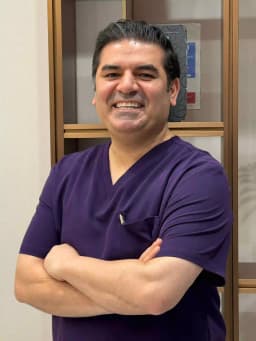
Cosmetic Dentistry Clinic
Cosmetic Dental Team at Cosmetic Dentistry Clinic
With years of experience in cosmetic and restorative dentistry, Cosmetic is dedicated to helping patients achieve their perfect smile through personalised care and cutting-edge techniques.