
Introduction
Dental veneers are designed to be durable, but like any dental restoration, they can occasionally become damaged or detach from the tooth. Many patients worry about what to do if their veneer chips, cracks, or falls off completely, particularly when it affects their smile or causes discomfort.
Understanding what happens when a dental veneer becomes damaged helps you respond appropriately and seek timely professional care. Veneer damage can occur for various reasons, from normal wear over time to accidents or biting on hard objects. The response required depends largely on the extent of the damage and whether any underlying tooth structure is affected.
This article explains the common causes of veneer damage, what steps to take if your veneer becomes compromised, and how dental professionals typically address these situations. We'll also discuss preventative measures that may help protect your veneers and maintain your oral health. Prompt professional assessment is often beneficial when veneer damage occurs, as early intervention may prevent further complications.
What happens when a dental veneer becomes damaged?
When a dental veneer becomes damaged or falls off, the underlying tooth may become exposed, potentially causing sensitivity or discomfort. The extent of the problem depends on the type and severity of the damage, but prompt professional assessment can help determine the most appropriate treatment approach.
Common types of veneer damage
Dental veneers can experience several types of damage, each requiring different considerations for treatment. Understanding these variations helps patients recognise when professional assessment may be beneficial.
Minor chips or cracks represent the most common form of veneer damage. These small defects may not immediately affect function but can gradually worsen over time. The rough edges created by chips may also irritate the tongue or inner lip, causing discomfort during speaking or eating.
Complete veneer detachment occurs when the entire veneer separates from the tooth surface. This situation often exposes the underlying tooth structure, which may have been prepared during the initial treatment. Exposed tooth surface can be sensitive to temperature changes and may appear different in colour compared to the original veneer.
Partial lifting happens when sections of the veneer begin to separate whilst remaining attached in other areas. This creates spaces where bacteria and food particles can accumulate, potentially affecting oral hygiene and increasing the risk of decay beneath the restoration.
Understanding veneer attachment and tooth structure
The success and longevity of dental veneers depend largely on the strong bond created between the restoration and the natural tooth surface. This understanding helps explain why damage occurs and what treatment options may be available.
During veneer placement, the tooth surface is carefully prepared to create an optimal bonding environment. A small amount of enamel is typically removed to accommodate the veneer thickness whilst maintaining natural tooth proportions. The prepared surface is then treated with special bonding agents that create a strong chemical and mechanical connection with the veneer material.
When veneers become damaged, the integrity of this bond may be compromised. The underlying tooth structure, which has been specifically prepared for the veneer, may not provide adequate protection against sensitivity or aesthetic concerns when exposed. The prepared tooth surface is also more vulnerable to decay and staining compared to natural enamel.
The bonding materials used in modern veneer placement are designed to be extremely durable, but they can be affected by factors such as grinding, clenching, acidic foods, or natural wear over time. Understanding these factors helps explain why even well-maintained veneers may occasionally require attention or replacement.
Immediate steps when veneer damage occurs
Knowing how to respond appropriately when a veneer becomes damaged can help protect your oral health and prevent further complications whilst you arrange professional assessment.
If a veneer falls off completely, try to locate and carefully store the restoration. Clean it gently with water and place it in a small container or plastic bag. Although reattachment isn't always possible, your dentist may be able to assess whether the veneer can be reused, potentially saving time and cost in treatment.
Protect the exposed tooth by avoiding very hot or cold foods and beverages, which may cause sensitivity. Stick to soft foods and chew on the opposite side of your mouth when possible. This approach helps prevent further damage to the prepared tooth surface and reduces discomfort.
Maintain careful oral hygiene around the affected area, but be gentle when brushing. The exposed tooth surface may be more sensitive than usual, so consider using a soft-bristled toothbrush and fluoride toothpaste designed for sensitive teeth until you can receive professional care.
Avoid attempting to reattach the veneer yourself or using over-the-counter dental adhesives. These products aren't designed for permanent dental restorations and may interfere with professional treatment options or cause additional complications.
Treatment options for damaged veneers
The approach to treating damaged veneers varies depending on the extent of the damage, the condition of the underlying tooth, and individual patient factors. Professional assessment helps determine the most appropriate solution for each situation.
Minor repairs may be possible for small chips or cracks using advanced bonding materials that can restore the veneer's appearance and function. This approach is typically less invasive and more cost-effective than complete replacement, though the longevity may not match that of a new veneer.
Veneer replacement becomes necessary when damage is extensive or when the restoration cannot be adequately repaired. This process involves removing any remaining veneer material, reassessing the tooth preparation, and creating a new restoration. Modern materials and techniques often allow for excellent aesthetic and functional results.
Temporary protection may be provided whilst permanent solutions are planned, particularly if treatment needs to be scheduled over multiple appointments. Temporary coverings can help reduce sensitivity and protect the tooth structure until definitive treatment is completed.
The choice between repair and replacement depends on factors such as the veneer's age, the extent of damage, and the patient's aesthetic expectations. Your dentist can explain the available options and help you understand the benefits and considerations of each approach based on your specific situation.
When professional dental assessment may be needed
Several situations warrant prompt professional evaluation when veneer damage occurs, as early intervention often provides the best outcomes for both oral health and aesthetic results.
Immediate assessment is particularly beneficial if you experience significant pain, sharp edges that irritate soft tissues, or if a large portion of the veneer has become detached. These situations may require urgent attention to prevent discomfort and protect the underlying tooth structure.
Sensitivity concerns that persist or worsen over time should be evaluated, as this may indicate that the tooth nerve is being affected or that decay is developing beneath the damaged restoration. Temperature sensitivity, pain when biting, or ongoing discomfort are all indicators that professional assessment may be helpful.
Aesthetic concerns are also valid reasons to seek evaluation, particularly if the damaged veneer affects your confidence or professional appearance. Modern dental techniques often allow for excellent restoration of both function and aesthetics, but prompt assessment typically provides more treatment options.
Changes in the fit of adjacent teeth, difficulty with oral hygiene around the affected area, or concerns about food getting trapped near the damaged veneer are additional situations where professional guidance can be beneficial. These issues may indicate that the damage is affecting more than just the appearance of your smile.
Prevention strategies for veneer longevity
Whilst veneer damage can sometimes occur unexpectedly, several preventative approaches may help extend the lifespan of your restorations and maintain optimal oral health.
Protective habits play a crucial role in veneer longevity. Avoid using your teeth as tools for opening packages or cracking nuts, and be cautious when eating hard foods such as ice, hard sweets, or crusty bread. These practices reduce the risk of chips, cracks, or complete detachment.
Night-time protection through a custom-fitted guard can be beneficial if you grind or clench your teeth during sleep. This unconscious habit creates significant forces that can damage veneers over time. Professional evaluation can determine whether a night guard might be appropriate for your situation.
Regular dental visits allow for early detection of potential problems before they become significant issues. Professional cleaning and examination help maintain the health of both your veneers and surrounding teeth, whilst also providing opportunities to address any concerns about fit, comfort, or appearance.
Oral hygiene maintenance remains essential for veneer longevity. Although the veneer material itself doesn't decay, the underlying tooth structure and gum tissues require continued care. Regular brushing, flossing, and appropriate mouthwash use help prevent complications that could affect your veneers' stability and appearance.
Key points to remember
- Veneer damage can range from minor chips to complete detachment, with treatment options varying accordingly
- Exposed tooth structure following veneer loss may be sensitive and requires protection until professional assessment
- Storing a fallen veneer safely and avoiding DIY repairs helps preserve treatment options
- Both immediate and long-term solutions are available depending on the extent of damage and individual circumstances
- Preventative care and protective habits can significantly extend veneer lifespan
- Professional assessment helps determine the most appropriate treatment approach for optimal outcomes
Frequently asked questions
Can a fallen-off veneer be reattached?
Reattachment may be possible if the veneer is undamaged and the tooth surface remains in good condition. However, this depends on various factors including how long the veneer has been off, whether it's been properly stored, and the condition of the underlying tooth. Professional assessment is necessary to determine whether reattachment is viable or whether replacement would provide better long-term results.
How long can I wait before seeing a dentist about veneer damage?
Whilst minor chips may not require immediate emergency treatment, it's generally beneficial to arrange professional assessment within a few days to a week. Complete veneer loss or significant damage typically warrants more prompt attention, particularly if you're experiencing sensitivity or discomfort. Delaying treatment may limit options or allow complications to develop.
Will my tooth be damaged if a veneer falls off?
The prepared tooth surface beneath a veneer is typically more vulnerable than natural enamel, but permanent damage isn't inevitable if you respond appropriately. Protecting the area from extreme temperatures, maintaining good oral hygiene, and seeking prompt professional care helps minimise the risk of complications such as decay or increased sensitivity.
Are damaged veneers covered by dental insurance?
Coverage varies significantly between insurance policies and providers. Some policies may cover veneer repair or replacement if the damage results from accident or normal wear, whilst others may consider it cosmetic treatment. Contact your insurance provider to understand your specific coverage, and discuss payment options with your dental practice if needed.
How can I prevent my other veneers from becoming damaged?
Focus on protective habits such as avoiding hard foods, not using teeth as tools, and considering a night guard if you grind your teeth. Maintain excellent oral hygiene, attend regular dental check-ups, and address any changes in bite or comfort promptly. These approaches help protect both your veneers and overall oral health.
What should I do if my veneer chips but doesn't fall off completely?
Even minor chips warrant professional evaluation, as rough edges can irritate soft tissues and small defects may worsen over time. Avoid running your tongue over the chip, as this can cause irritation, and be gentle when cleaning the area. Professional assessment can determine whether repair is possible or whether replacement would be more appropriate for long-term success.
Conclusion
Understanding how to respond when dental veneers become damaged helps protect your oral health and preserve your treatment investment. Whether dealing with minor chips or complete veneer loss, prompt and appropriate action typically provides the best outcomes for both function and aesthetics.
Modern dental techniques offer various solutions for veneer damage, from simple repairs to complete replacement, depending on your individual circumstances. Preventative care and protective habits can significantly extend the lifespan of your veneers, whilst regular professional assessment helps identify and address potential issues before they become significant problems.
The key to managing veneer damage successfully lies in seeking appropriate professional guidance whilst taking immediate steps to protect the affected tooth. With proper care and timely intervention, damaged veneers can typically be restored to provide excellent function and appearance for many years to come.
Disclaimer: This article is for general educational information only and is not personalised dental advice. Diagnosis and treatment recommendations require a clinical examination by a qualified dental professional.
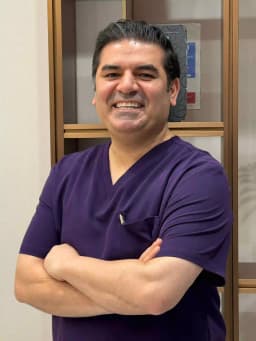
Cosmetic Dentistry Clinic
Cosmetic Dental Team at Cosmetic Dentistry Clinic
With years of experience in cosmetic and restorative dentistry, Cosmetic is dedicated to helping patients achieve their perfect smile through personalised care and cutting-edge techniques.