
Introduction
If you have been wearing a partial denture for some time, you may have started wondering whether a more permanent solution might be right for you. Many patients find that while a removable denture initially serves its purpose, questions about comfort, stability, and long-term oral health begin to surface over time. Searching online for information about transitioning from a partial denture to a permanent implant is one of the most common steps patients take when exploring their options.
This article will explain the key considerations involved in moving from a removable partial denture to a dental implant. We will look at why some patients consider making this change, what the clinical process typically involves, how the underlying jawbone and gum tissue play a role in suitability, and what to expect during the transition period. Understanding these factors can help you feel more informed and confident when discussing your options with a dental professional.
Whether your denture has become less comfortable, you are experiencing changes in how it fits, or you simply want to explore a fixed alternative, seeking professional dental advice is the most reliable first step. Every patient's clinical situation is unique, and treatment suitability always depends on a thorough individual assessment.
Can You Replace a Partial Denture with a Dental Implant?
Yes, in many cases it is possible to transition from a partial denture to a permanent dental implant. A dental implant involves placing a small titanium post into the jawbone, which acts as an artificial tooth root to support a fixed crown. Suitability depends on factors including jawbone density, gum health, and overall medical history. A clinical examination and imaging, such as a CT scan, are needed to determine whether implant treatment is appropriate for each individual patient.
Why Some Patients Consider Moving Away from a Partial Denture
A removable partial denture is often an effective and accessible way to replace one or more missing teeth. However, over months and years, some patients notice that their denture becomes less comfortable or stable. This can happen for several reasons.
The jawbone naturally changes shape over time after teeth are lost, a process known as bone resorption. As the ridge of bone beneath the denture gradually reduces in volume, the fit of the denture may become looser. This can lead to movement during eating or speaking, sore spots on the gums, and a general sense of insecurity.
Some patients also find that the clasps or framework of a partial denture feel conspicuous, particularly if they attach to visible teeth. Others may experience difficulty with certain foods or feel self-conscious about removing the denture for cleaning.
These experiences are entirely normal and do not reflect a failure of the denture itself. They are simply part of the natural progression that can occur with removable prosthetics. For patients who find these issues increasingly frustrating, exploring a fixed implant-supported restoration may be a worthwhile conversation to have with their dentist.
Understanding the Dental Implant Process
A dental implant is a titanium post that is surgically placed into the jawbone to serve as an artificial root for a replacement tooth. Once the implant integrates with the surrounding bone—a biological process called osseointegration—a custom-made crown is attached to provide a natural-looking and functional tooth.
The process typically involves several stages. An initial consultation includes a comprehensive clinical examination, dental imaging (often a cone beam CT scan), and a detailed discussion of your medical and dental history. This stage is essential for determining whether there is sufficient bone volume and density to support an implant.
If you are suitable, the implant placement procedure is carried out under local anaesthetic. After placement, a healing period of several weeks to a few months is usually required to allow osseointegration to occur. During this time, a temporary restoration or your existing partial denture may be worn, depending on clinical recommendations.
Once the implant has fully integrated, an abutment (connector) is attached, and a permanent crown is fitted. The crown is designed to match the colour, shape, and size of your natural teeth.
It is important to note that the timeline and specific steps can vary depending on individual clinical circumstances.
The Role of Jawbone Health in Implant Suitability
One of the most important clinical factors when considering an implant is the condition of your jawbone. The implant needs a sufficient volume and density of bone to anchor securely and remain stable over the long term.
When a tooth is lost, the area of jawbone that previously supported that tooth begins to gradually resorb. This is because the bone no longer receives the stimulation it once did from the tooth root during biting and chewing. Over time, this can result in a thinner or shallower ridge of bone.
Patients who have worn a partial denture for many years may have experienced more significant bone changes in the area of the missing teeth. This does not necessarily mean that implant treatment is ruled out, but it does mean that additional procedures may be required before or during implant placement.
Bone grafting is one such procedure. It involves adding bone material to the deficient area to build up the volume needed to support an implant. In the upper jaw, a sinus lift procedure may be recommended if the sinus cavity has expanded into the area where bone is needed. These preparatory procedures add time to the overall treatment plan but can significantly improve the foundation for a successful implant.
Your dentist will be able to assess bone levels accurately using advanced imaging and advise on whether any supplementary procedures are needed.
Comparing Partial Dentures and Dental Implants
Understanding the differences between these two options can help you have a more informed discussion with your dental team.
Stability and comfort: A dental implant is fixed in place and does not move during eating or speaking. A partial denture, while functional, can shift or rock, particularly as the underlying bone changes over time.
Bone preservation: Implants stimulate the jawbone in a similar way to natural tooth roots, which may help to slow or prevent further bone resorption. Dentures sit on the surface of the gum and do not provide this stimulation.
Maintenance: Implants are cleaned in a similar way to natural teeth—brushed and flossed daily. Partial dentures require removal for cleaning and may need periodic relining or replacement as the mouth changes.
Aesthetics: An implant-supported crown is custom designed to blend with your natural teeth. While modern dentures can also look very natural, some patients prefer the seamless appearance of a fixed restoration.
Longevity: With proper care and maintenance, dental implants can last for many years. Dentures typically need to be replaced or relined every few years.
Both options have their place in restorative dentistry, and the best choice depends on your individual clinical situation, preferences, and lifestyle. Neither option is universally superior—what matters is finding the right solution for you.
What Happens to Your Gums During the Transition
The health of your gum tissue is another key consideration when transitioning from a denture to an implant. Wearing a partial denture over a long period can sometimes lead to changes in the soft tissue, including irritation, inflammation, or areas of thickened tissue where the denture rests.
Before proceeding with implant placement, your dentist will assess the condition of your gums thoroughly. If there are signs of gum disease or inflammation, this will typically need to be addressed and stabilised first. Healthy gum tissue is essential for supporting the healing process after implant surgery and for maintaining the long-term health of the implant once it is restored.
In some cases, soft tissue grafting may be recommended to improve the volume or quality of gum tissue around the implant site. This helps to create a natural-looking gum line around the final crown and supports the overall aesthetics and function of the restoration.
Good oral hygiene habits are essential both before and after implant treatment. Your dental team will provide specific guidance on how to care for your gums during each stage of the process.
When Professional Dental Assessment May Be Needed
If you are considering moving from a partial denture to an implant, a professional dental assessment is the essential first step. However, there are also certain signs and symptoms that may indicate your current denture needs attention, even if you are not yet ready to explore implants.
You may wish to arrange a dental appointment if you notice:
- Your denture has become noticeably looser or less stable
- Persistent soreness, redness, or irritation beneath the denture
- Difficulty chewing foods that you previously managed comfortably
- Changes in how your bite feels when your teeth come together
- Visible changes in the shape of your gum ridge
- Any swelling, tenderness, or signs of infection around remaining natural teeth
These symptoms do not necessarily indicate a serious problem, but they are worth having assessed. Early evaluation can help identify changes and allow your dental team to recommend appropriate adjustments or treatment options in good time.
It is always better to seek advice sooner rather than wait for a minor issue to develop further.
Caring for Your Oral Health During and After the Transition
Maintaining excellent oral hygiene is important at every stage of the transition from a partial denture to a dental implant. Here are some practical steps to support your oral health throughout the process.
Before implant treatment: Continue to clean your partial denture thoroughly each day, removing it for brushing and soaking as recommended. Brush your remaining natural teeth and gums gently but thoroughly, paying particular attention to the gum line. Attend regular dental check-ups so that any changes in your oral health can be monitored.
During the healing period: Follow your dentist's post-operative instructions carefully. This may include using a prescribed mouthwash, avoiding certain foods, and taking care not to disturb the implant site. Smoking can significantly impair healing and increase the risk of implant complications, so your dental team may advise stopping or reducing smoking during this period.
After the implant crown is placed: Clean around your implant-supported crown as you would a natural tooth, using a soft-bristled toothbrush and interdental brushes or floss. Regular professional cleaning appointments are recommended to keep the area healthy and to allow your dental team to monitor the implant over time.
Consistent home care combined with regular professional maintenance gives your implant the best chance of long-term success.
Key Points to Remember
- Transitioning from a partial denture to a permanent dental implant is a well-established treatment pathway for suitable patients.
- Suitability for implant treatment depends on factors such as jawbone density, gum health, and overall medical history.
- Bone grafting or soft tissue procedures may be needed to prepare the site for an implant.
- Dental implants offer stability, bone preservation, and a natural appearance, but the best option always depends on your individual clinical circumstances.
- Good oral hygiene and regular dental visits are essential before, during, and after implant treatment.
- A thorough clinical examination is always the first step in determining whether implant treatment is right for you.
Frequently Asked Questions
How long does the transition from a partial denture to an implant take?
The overall timeline varies depending on individual clinical factors. After the initial assessment and any preparatory procedures such as bone grafting, the implant placement itself is a single appointment. However, a healing period of typically three to six months is required for the implant to integrate with the jawbone before the permanent crown can be fitted. If bone grafting is needed, this may add several additional months. Your dentist will provide a personalised treatment timeline based on your specific situation following a comprehensive clinical examination.
Is the implant procedure painful?
Implant placement is carried out under local anaesthetic, so you should not feel pain during the procedure itself. Some patients experience mild discomfort, swelling, or bruising in the days following surgery, which can usually be managed with over-the-counter pain relief and cold compresses. Sedation options may also be available if you feel anxious about the procedure. Your dental team will discuss pain management and aftercare in detail before treatment begins, ensuring you feel prepared and comfortable throughout the process.
Can I wear my partial denture while the implant heals?
In many cases, it is possible to continue wearing your existing partial denture during the healing period, although modifications may be needed to ensure it does not place pressure on the implant site. Your dentist will assess whether your denture can be adjusted or whether a temporary alternative would be more appropriate. It is important to follow clinical advice regarding when and how to wear any removable appliance during this stage, as protecting the healing implant is essential for a successful outcome.
What if I do not have enough bone for an implant?
Insufficient bone volume does not automatically rule out implant treatment. Bone grafting procedures can rebuild the bone in the area where the implant is planned. Various techniques are available depending on the extent of bone loss, ranging from minor grafts carried out at the same time as implant placement to more extensive procedures that require a separate healing period. Advanced imaging allows your dentist to assess bone levels precisely and recommend the most appropriate approach for your circumstances.
How do I care for a dental implant after it is placed?
Caring for a dental implant is similar to caring for your natural teeth. Brush twice daily with a soft-bristled toothbrush, clean around the implant crown with interdental brushes or floss, and use a non-abrasive toothpaste. Regular professional cleaning appointments are important to remove any plaque or tartar buildup and to allow your dental team to check the health of the implant and surrounding tissues. Avoiding smoking and maintaining a balanced diet also support the long-term health of your implant.
Are dental implants suitable for everyone?
Most adults with reasonable general health can be considered for implant treatment, but suitability is always determined on an individual basis. Factors such as uncontrolled diabetes, certain medications, heavy smoking, and significant bone loss may affect eligibility or require additional planning. A comprehensive clinical examination, including imaging and a review of your medical history, is necessary to determine whether implant treatment is appropriate and safe for you.
Conclusion
Transitioning from a partial denture to a permanent implant is a significant decision, and it is one that many patients find rewarding when the clinical conditions are right. Understanding the process—from initial assessment and bone health evaluation to the surgical procedure and long-term maintenance—can help you approach the conversation with your dental team with greater confidence and clarity.
If your partial denture has become less comfortable or you are curious about whether a fixed implant might be suitable, the most valuable step you can take is to arrange a professional consultation. Every patient's mouth is different, and what works well for one person may not be the ideal solution for another.
Disclaimer: This article is for general educational information only and is not personalised dental advice. Diagnosis and treatment recommendations require a clinical examination by a qualified dental professional.
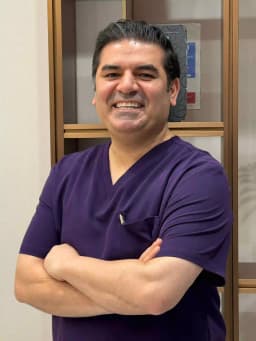
Cosmetic Dentistry Clinic
Cosmetic Dental Team at Cosmetic Dentistry Clinic
With years of experience in cosmetic and restorative dentistry, Cosmetic is dedicated to helping patients achieve their perfect smile through personalised care and cutting-edge techniques.