
Introduction
A broken tooth can be both distressing and disruptive, often prompting immediate online searches for swift treatment solutions. Many patients worry about the time required for traditional crown procedures, which historically involved multiple appointments and temporary restorations over several weeks. Understanding same-day crown technology helps patients make informed decisions about their dental care options.
Same-day crowns represent a significant advancement in restorative dentistry, utilising computer-aided design and manufacturing (CAD/CAM) technology to create custom crowns in a single appointment. This approach can be particularly beneficial for patients with damaged teeth who require prompt restoration to protect the remaining tooth structure.
This article explains how same-day crowns work, their suitability for different types of tooth damage, and important considerations for patients exploring this treatment option. Professional dental assessment remains essential to determine whether same-day crown restoration is appropriate for your specific situation and oral health needs.
What Are Same-Day Crowns?
Yes, same-day crowns use advanced CAD/CAM technology to design, manufacture and fit a custom crown in a single dental visit, typically completed within 2-4 hours depending on the complexity of the restoration required.
How Same-Day Crown Technology Works
Same-day crown systems combine digital imaging, computer design software, and in-practice milling machines to create precise restorations without laboratory involvement. The process begins with digital impressions using intraoral scanners, which capture detailed three-dimensional images of the prepared tooth and surrounding structures.
Computer software then designs the crown based on the tooth's anatomy and bite relationship. The design is transmitted to a chairside milling unit that carves the restoration from a solid block of ceramic material. This eliminates the need for traditional impressions and temporary crowns whilst patients wait for laboratory fabrication.
The technology allows dentists to make real-time adjustments to ensure optimal fit and appearance. Materials used include high-strength ceramics that closely match natural tooth colour and translucency. The completed crown is bonded to the prepared tooth using advanced adhesive systems, providing immediate function and protection.
Suitability for Different Types of Tooth Damage
Same-day crowns can address various forms of tooth damage, though suitability depends on the extent and location of the fracture. Minor to moderate breaks involving the crown portion of the tooth often respond well to this approach, particularly when sufficient healthy tooth structure remains for crown retention.
Teeth with large fillings that have failed may benefit from same-day crown restoration, especially when the remaining enamel and dentine can support the new restoration. Front teeth with significant cosmetic damage can often be restored using same-day techniques, though complex aesthetic requirements may sometimes benefit from laboratory-crafted restorations.
However, severely damaged teeth requiring root canal treatment may need preliminary procedures before crown placement. Teeth with fractures extending below the gum line or into the root may require alternative treatments. Each case requires individual assessment to determine the most appropriate treatment approach for long-term success.
The Clinical Process Explained
The same-day crown procedure typically begins with local anaesthesia to ensure patient comfort during tooth preparation. The damaged tooth is carefully shaped to remove decay or weakened structure whilst preserving maximum healthy tissue. This preparation creates space for the crown whilst maintaining adequate tooth structure for retention.
Digital impressions replace traditional moulding materials, using optical scanners to capture precise measurements. The scanning process is generally more comfortable for patients and provides highly accurate data for crown design. The computer software analyses bite relationships and designs a restoration that integrates naturally with existing teeth.
Crown milling takes approximately 15-30 minutes, during which patients can often observe the manufacturing process. The finished crown undergoes quality checks before placement, including fit assessment and bite adjustment. Final bonding uses advanced adhesive systems that create strong, durable connections between the crown and natural tooth structure.
Benefits and Limitations of Same-Day Treatment
Same-day crown treatment offers several advantages, including immediate restoration of tooth function and protection of damaged structures. Patients avoid the inconvenience of temporary crowns, which can occasionally dislodge or cause sensitivity. The single-appointment approach reduces time away from work or daily activities.
The digital process often provides excellent fit and comfort, as real-time adjustments can be made during the appointment. Patients can leave the practice with their permanent restoration, eliminating concerns about temporary crown care or dietary restrictions between appointments.
However, same-day crowns may have limitations in certain clinical situations. Complex aesthetic cases involving front teeth might benefit from the enhanced customisation possible with laboratory-crafted restorations. Multiple adjacent crowns or extensive bite rehabilitation may require the comprehensive planning that traditional methods provide.
Caring for Your Same-Day Crown
New crowns require gentle care during the initial 24-48 hours as the bonding materials reach full strength. Patients should avoid extremely hard or sticky foods immediately after placement, gradually returning to normal dietary habits as comfort allows. Good oral hygiene remains essential for long-term crown success.
Regular brushing with fluoride toothpaste and daily flossing help maintain the health of surrounding gum tissues and prevent decay at crown margins. The junction between the crown and natural tooth requires particular attention during cleaning to remove plaque accumulation.
Professional dental check-ups allow monitoring of crown condition and surrounding oral health. With appropriate care, same-day crowns can provide many years of reliable function and aesthetic satisfaction, comparable to traditionally manufactured restorations.
When Professional Assessment May Be Needed
Persistent pain following tooth damage warrants prompt dental evaluation, particularly if discomfort increases over time or interferes with daily activities. Sensitivity to temperature changes or pressure when biting may indicate nerve involvement requiring immediate attention before crown placement.
Visible cracks or fractures should be assessed professionally, even if not immediately painful, as damage can progress without early intervention. Swelling around damaged teeth or unusual taste sensations may suggest developing infection requiring treatment before restorative procedures.
Sharp edges from broken teeth can injure soft tissues and should be smoothed promptly. Any signs of loosened tooth fragments or persistent bleeding following dental trauma indicate the need for urgent professional care to prevent further complications.
Alternative Treatment Approaches
When same-day crowns are unsuitable, several alternative treatments may address broken teeth effectively. Traditional laboratory-fabricated crowns are an established treatment option for complex cases requiring extensive customisation or multiple restorations with precise colour matching requirements.
Large composite fillings may suffice for moderate damage when adequate tooth structure remains healthy. Dental bonding can address minor chips and fractures conservatively, preserving maximum natural tooth structure whilst improving appearance and function.
Severe damage may require extraction and replacement with dental implants or bridge work. Root canal treatment combined with crown restoration addresses cases where nerve damage has occurred alongside structural damage. Each treatment approach offers specific advantages depending on individual clinical circumstances.
Prevention and Oral Health Maintenance
Preventing tooth damage reduces the need for crown restoration and maintains optimal oral health throughout life. Avoiding hard foods like ice, unpopped popcorn kernels, and hard sweets helps protect teeth from fractures, particularly those with existing fillings or weakened structures.
Using protective mouthguards during sports activities significantly reduces dental trauma risk. Patients who grind or clench their teeth may benefit from night guards to prevent excessive wear and stress fractures. Addressing these habits early helps preserve natural tooth structure.
Regular dental examinations allow early detection of developing problems before they require extensive restoration. Professional cleaning removes plaque and tartar that can contribute to tooth decay and gum disease, both of which can weaken tooth structure over time.
Key Points to Remember
- Same-day crowns use advanced technology to provide immediate restoration in a single appointment
- Digital impressions and chairside milling eliminate the need for temporary crowns and multiple visits
- Suitability depends on the extent and location of tooth damage, requiring professional assessment
- The process typically takes 2-4 hours from preparation to final crown placement
- Proper oral hygiene and regular check-ups help ensure long-term crown success
- Alternative treatments may be more appropriate for complex cases or extensive damage
Frequently Asked Questions
How long do same-day crowns last compared to traditional crowns?
Same-day crowns typically last 10-15 years with proper care, similar to laboratory-fabricated crowns. Longevity depends on factors including oral hygiene, bite forces, and the extent of original tooth damage. Regular dental check-ups help monitor crown condition and address any issues early.
Are same-day crowns as strong as regular crowns?
Modern same-day crowns use high-strength ceramic materials that provide excellent durability for normal chewing forces. Clinical studies show comparable strength and longevity to traditional crowns for most applications. However, the specific case and location in the mouth may influence material selection and treatment approach.
Can same-day crowns be used for front teeth?
Yes, same-day crowns can restore front teeth effectively, particularly for functional restoration following damage. Aesthetic outcomes are generally excellent, though complex colour matching for highly visible teeth may sometimes benefit from laboratory customisation. Individual assessment determines the most appropriate approach for each case.
What happens if a same-day crown doesn't fit properly?
Same-day crown systems allow immediate adjustment during the appointment, ensuring proper fit before final bonding. If issues arise after placement, the crown can typically be refined or, if necessary, remade using the stored digital impressions. This flexibility is one advantage of the digital workflow.
Is the same-day crown procedure painful?
The procedure is typically performed under local anaesthesia, making it comfortable for most patients. Some sensitivity may occur after anaesthesia wears off, similar to other dental restorative procedures. Pain levels are generally minimal, and any discomfort usually resolves within a few days.
How much do same-day crowns cost compared to traditional crowns?
Same-day crown fees are generally comparable to traditional crown treatment, though costs vary depending on individual circumstances and practice location. The single-appointment approach may offer value through reduced time away from work and elimination of temporary crown appointments. Treatment cost discussions are best conducted during consultation appointments.
Conclusion
Same-day crown technology offers an efficient solution for many patients with broken teeth, combining convenience with high-quality restoration outcomes. The digital workflow provides precise, comfortable treatment that immediately restores tooth function and protection, eliminating the uncertainty and inconvenience of temporary restorations.
Understanding the capabilities and limitations of same-day crown treatment helps patients make informed decisions about their dental care. Whilst this technology addresses many common scenarios effectively, individual assessment remains crucial for determining the most appropriate treatment approach for each specific situation.
Maintaining good oral hygiene and attending regular dental check-ups supports long-term crown success regardless of the manufacturing method used. Early intervention for tooth damage often allows more conservative treatment options and better long-term outcomes.
Disclaimer: This article is for general educational information only and is not personalised dental advice. Diagnosis and treatment recommendations require a clinical examination by a qualified dental professional.
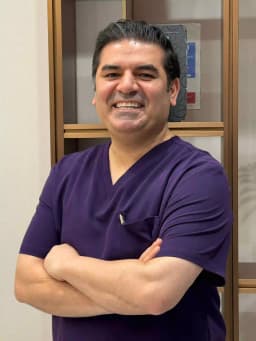
Cosmetic Dentistry Clinic
Cosmetic Dental Team at Cosmetic Dentistry Clinic
With years of experience in cosmetic and restorative dentistry, Cosmetic is dedicated to helping patients achieve their perfect smile through personalised care and cutting-edge techniques.