
Introduction
Many patients who have invested in dental veneers often worry about maintaining their appearance and longevity. After completing cosmetic dental treatment, it's natural to wonder how to protect your investment and support veneers that continue to look natural and well-maintained for years to come.
Protecting veneers from everyday wear and tear requires understanding both the materials used and the daily habits that can affect them. Porcelain and composite veneers, whilst durable, can be susceptible to damage from certain activities and foods. Many people search for guidance on veneer care because they want to maximise the lifespan of their treatment and maintain the aesthetic benefits they've achieved.
This article explains practical strategies for protecting your veneers, understanding what can cause damage, and maintaining excellent oral health alongside your cosmetic dental work. We'll explore the daily habits that support veneer longevity, warning signs to watch for, and when professional dental assessment may be beneficial for ongoing care.
How can you protect veneers from everyday wear and tear?
Protecting veneers involves avoiding hard foods, wearing a night guard if you grind your teeth, maintaining excellent oral hygiene, and avoiding habits like nail-biting or using teeth as tools. Regular dental check-ups help monitor veneer condition and address any issues early.
Understanding veneer materials and durability
Dental veneers are typically made from either porcelain or composite resin materials, each with specific characteristics that influence their care requirements. Porcelain veneers offer good stain resistance and durability, and with proper care may last 10–15 years in many cases. Composite veneers, whilst more affordable, may require more frequent maintenance and typically last 5-7 years.
The bonding process creates a strong attachment between the veneer and your natural tooth structure. However, this bond can be compromised by excessive force, temperature changes, or poor oral hygiene. Understanding these materials helps patients make informed decisions about daily habits and care routines.
Both types of veneers can chip, crack, or become dislodged if subjected to significant force or trauma. The edges and corners of veneers are particularly vulnerable to damage from hard foods or grinding forces.
Daily habits that protect veneer longevity
Certain lifestyle modifications can significantly extend the lifespan of your veneers. Avoiding hard foods such as nuts, hard sweets, and ice helps prevent chipping or cracking. Similarly, cutting corn off the cob and avoiding biting directly into hard fruits like apples reduces stress on the veneer edges.
Temperature extremes can also affect veneers. Avoiding very hot drinks followed immediately by cold foods helps prevent thermal stress that could weaken the bonding material. This is particularly important during the first few weeks after veneer placement when the bonding is still settling.
Eliminating harmful habits such as nail-biting, pen-chewing, or using teeth to open packages protects both your veneers and natural teeth. These activities can create concentrated forces that exceed the material's resistance, leading to damage.
For patients interested in comprehensive cosmetic dental solutions, smile makeover treatment can address multiple aesthetic concerns whilst maintaining long-term oral health.
The importance of night-time protection
Teeth grinding (bruxism) represents one of the most significant threats to veneer longevity. Many people grind their teeth during sleep without realising it, creating forces that can damage even the strongest dental materials. Night guards provide essential protection by distributing grinding forces across a protective appliance rather than directly onto the veneers.
Custom-fitted night guards may offer more tailored protection than over-the-counter options. They're designed specifically for your bite pattern and can provide comfortable wear throughout the night. The investment in a quality night guard often prevents costly veneer repairs or replacements.
Signs of teeth grinding include morning jaw soreness, headaches, or visible wear patterns on teeth. If you notice these symptoms, discussing night guard options with your dental team helps protect your veneers and overall oral health.
Maintaining oral hygiene with veneers
Excellent oral hygiene remains crucial for veneer longevity, though the cleaning approach may need slight modifications. Using a soft-bristled toothbrush prevents scratching the veneer surface, whilst non-abrasive toothpaste maintains the polish and appearance.
Flossing requires particular care around veneer margins to avoid dislodging the restoration. Gentle vertical movements work better than aggressive horizontal scrubbing. Water flossers can provide effective cleaning whilst being gentler on veneer edges.
Regular professional cleaning appointments allow your dental hygienist to maintain your veneers using appropriate techniques and materials. They can also identify early signs of wear or margin problems that might require attention.
Patients considering veneer treatment can explore teeth whitening options beforehand, as veneers are typically matched to your existing tooth colour and don't respond to whitening treatments.
Recognising signs of veneer problems
Early identification of veneer issues allows for prompt treatment and often prevents more extensive damage. Rough or sharp edges may indicate chipping or wear that requires professional attention. Similarly, sensitivity around the veneer margins might suggest bonding problems or decay.
Changes in bite comfort or the way your teeth fit together could indicate veneer movement or damage. Any visible gaps between the veneer and gum line should be evaluated promptly, as this can allow bacterial accumulation and potential decay.
Staining or discolouration, particularly around the edges, may indicate margin problems or underlying tooth changes. Whilst porcelain veneers themselves resist staining, the bonding material and natural tooth structure remain susceptible.
When professional assessment becomes necessary
Certain situations warrant prompt dental evaluation to prevent complications or further damage. Any trauma to the mouth, even if veneers appear intact, should be assessed professionally as underlying damage may not be immediately visible.
Persistent sensitivity, pain, or discomfort around veneered teeth requires investigation. These symptoms might indicate bonding failure, underlying decay, or bite problems that could affect other teeth.
Regular maintenance appointments, typically every six months, allow your dental team to monitor veneer condition and address minor issues before they become significant problems. Professional assessment ensures that both your veneers and supporting teeth remain healthy.
For patients experiencing dental anxiety about veneer maintenance, routine dental appointments provide a comfortable and supportive environment for ongoing care.
Key Points to Remember
- Use a soft-bristled toothbrush and non-abrasive toothpaste to maintain veneer surfaces
- Avoid hard foods and habits that could chip or damage veneers
- Wear a night guard if you grind your teeth during sleep
- Maintain regular dental check-ups for professional monitoring
- Address any sensitivity or discomfort promptly
- Protect veneers from temperature extremes and sudden changes
Frequently Asked Questions
Can I eat normally with veneers?
Yes, you can eat most foods normally with veneers, though avoiding very hard foods like nuts or ice helps prevent damage. Cutting hard fruits and vegetables rather than biting directly into them protects the veneer edges from excessive force.
How long do veneers typically last?
Porcelain veneers typically last 10-15 years with proper care, whilst composite veneers generally last 5-7 years. Lifespan depends on factors including oral hygiene, grinding habits, diet, and regular professional maintenance.
Will veneers change colour over time?
Porcelain veneers resist staining and maintain their colour well. However, the bonding cement around the edges may discolour slightly over time, and composite veneers are more susceptible to staining than porcelain options.
Can veneers be repaired if damaged?
Minor chips in composite veneers can often be repaired, whilst porcelain veneer damage typically requires replacement. The extent of repair possible depends on the location and size of the damage.
Do I need special toothpaste for veneers?
Use non-abrasive toothpaste to avoid scratching the veneer surface. Whitening toothpastes won't change veneer colour but may affect surrounding natural teeth, potentially creating colour mismatches.
Should I avoid certain drinks with veneers?
Whilst porcelain veneers resist staining, avoiding excessive coffee, tea, or red wine helps maintain surrounding natural teeth. Very hot beverages followed immediately by cold foods should be avoided to prevent thermal stress.
Conclusion
Protecting veneers from everyday wear and tear involves understanding the materials, modifying potentially harmful habits, and maintaining excellent oral hygiene. The combination of proper daily care, protective measures like night guards when needed, and regular professional monitoring helps ensure your veneers provide lasting aesthetic and functional benefits.
Prevention remains a practical approach to veneer care. By avoiding hard foods, eliminating harmful habits, and maintaining consistent oral hygiene routines, patients can maximise their investment in cosmetic dental treatment. Early attention to any changes or concerns helps prevent minor issues from becoming significant problems.
Dental symptoms and treatment options should be assessed individually during a clinical examination.
Disclaimer: This article is for general educational information only and is not personalised dental advice. Diagnosis and treatment recommendations require a clinical examination by a qualified dental professional.
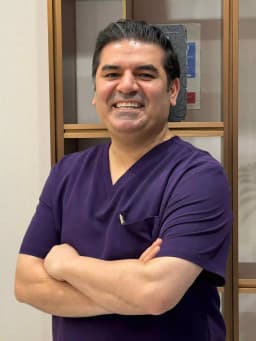
Cosmetic Dentistry Clinic
Cosmetic Dental Team at Cosmetic Dentistry Clinic
With years of experience in cosmetic and restorative dentistry, Cosmetic is dedicated to helping patients achieve their perfect smile through personalised care and cutting-edge techniques.