
Introduction
You have been looking forward to your dental implant appointment for weeks — possibly months. You have arranged time off work, cleared your diary, and then, just days before your procedure, you come down with the flu. It is a frustrating and surprisingly common situation that leaves many patients wondering: can I still go ahead with the surgery?
Understanding how your immune system relates to dental implant surgery is genuinely important. Dental implants are a surgical procedure, and like all surgeries, they place a certain demand on your body's ability to heal and resist infection. When you are fighting off influenza at the same time, that demand increases significantly.
This article explores why having dental implant surgery with the flu raises clinical concerns, what the risks may involve, how your body's immune response affects healing, and when rescheduling your procedure is likely to be the safest and most sensible choice. As always, your dental team is best placed to advise you based on your individual health status.
Can You Have Dental Implant Surgery When You Have the Flu?
It is generally not considered safe to undergo dental implant surgery with the flu. Influenza suppresses the immune system, increases the risk of post-surgical infection, and can interfere with osseointegration — the process by which the implant fuses with the jawbone. Most clinicians will recommend rescheduling until you have fully recovered.
Why Dental Implant Surgery Requires a Healthy Immune System
Dental implant surgery is a precision procedure involving the placement of a titanium post directly into the jawbone. Unlike a simple filling or a routine scale and polish, implant surgery creates a wound — both in the soft tissue of the gum and within the bone itself. For the implant to succeed, this wound must heal efficiently and without complication.
The immune system plays a central role in this healing process. White blood cells are mobilised to the surgical site to fight off any bacteria that may be introduced during the procedure. Growth factors are released to stimulate tissue regeneration. Inflammation — though often viewed negatively — is a carefully regulated response that initiates healing.
When you are ill with influenza, your immune system is already under considerable strain. It is directing its resources towards fighting the viral infection throughout your body. This means it has reduced capacity to mount an effective local response at the implant site. The risk of post-operative infection rises, and the overall healing environment becomes less favourable.
From a clinical standpoint, proceeding with implant surgery during active illness means the body is simultaneously managing two significant biological challenges — and that is rarely optimal for either outcome.
How Influenza Specifically Affects Surgical Recovery
The flu is not simply a bad cold. Influenza is a systemic viral infection that affects the entire body, including the respiratory system, muscles, and immune defences. Understanding exactly how influenza can interfere with surgical recovery helps explain why clinicians take this situation seriously.
Systemic inflammation: The flu triggers a widespread inflammatory response. When surgery creates additional localised inflammation, the combined effect can make recovery more uncomfortable and less predictable.
Fever: A raised body temperature is a common flu symptom. Post-operative fever can be a sign of infection, but it can also occur as a normal part of recovery. If you have the flu, distinguishing between a fever caused by influenza and one caused by a post-surgical complication becomes much more difficult for both you and your dental team.
Dehydration: Flu often leads to reduced fluid intake and sometimes vomiting. Adequate hydration is important for tissue healing, blood flow, and the body's ability to deliver nutrients to the healing surgical site.
Medication interactions: Over-the-counter flu remedies, including non-steroidal anti-inflammatory drugs (NSAIDs) such as ibuprofen and certain decongestants, can interact with medications used during or after implant surgery. This may affect bleeding time or anaesthetic response.
Respiratory considerations: If sedation or general anaesthesia is involved in your implant procedure, active respiratory illness significantly increases anaesthetic risk.
The Science Behind Osseointegration and Why Timing Matters
One of the most important concepts in dental implant treatment is osseointegration — the biological process by which the titanium implant post becomes anchored within the jawbone over time. This is not simply a mechanical process; it is a highly active biological one, dependent on healthy bone cells, adequate blood supply, and an immune environment that supports integration rather than rejection.
For osseointegration to succeed, the body must:
- Maintain sufficient blood flow to the implant site
- Produce osteoblasts (bone-forming cells) at an appropriate rate
- Regulate the immune response carefully to avoid excessive inflammation that might interfere with bone attachment
- Remain free from systemic infection that could spread to the bone site
Influenza introduces a state of systemic immune activation. Research in surgical science broadly supports the understanding that concurrent infections — even viral ones — can negatively influence post-operative healing environments. Dental implants are generally associated with strong long-term outcomes when placed under appropriate clinical conditions, but outcomes still depend on individual clinical circumstances at the time of placement.
Proceeding with implant surgery whilst actively unwell risks compromising the very biological process that makes implants so effective. For patients who have invested both financially and emotionally in their implant journey, allowing adequate recovery time before surgery is not a delay — it is a protective step.
For additional context on post-surgical healing phases, see biological changes after dental implant placement.
Risks of Proceeding With Dental Implant Surgery During Illness
Proceeding with dental implant surgery when you have active influenza carries a number of potential clinical risks. It is important to understand these not to cause alarm, but to help you make an informed decision in discussion with your dental team.
Increased infection risk: A compromised immune system is less able to control bacterial activity at the surgical site. Post-operative infections following implant surgery can range from manageable soft tissue infections to more serious conditions such as peri-implantitis or, in rare cases, osteitis (bone infection).
Implant failure: If the initial healing environment is significantly disrupted — by infection, poor immune response, or inadequate tissue repair — there is a higher likelihood that osseointegration may not proceed as expected. This could result in implant failure, necessitating removal and further treatment.
Difficulty distinguishing symptoms: As mentioned previously, flu symptoms such as fever, fatigue, and generalised pain may mask or be confused with normal post-operative symptoms or early signs of complications, making monitoring and aftercare more complex.
Prolonged recovery: Even if the implant placement proceeds without major complication, overall recovery is likely to take longer when the body is simultaneously fighting a viral infection.
Risk to clinical staff: If you attend a dental clinic with active influenza, there is also a responsibility to consider the wellbeing of clinical staff and other patients in the practice environment.
If you are unsure about your suitability for treatment, the team at the Cosmetic Dentistry Clinic can discuss your circumstances and help you determine the safest course of action.
When Should You Reschedule Your Dental Implant Appointment?
If you develop flu symptoms before your dental implant appointment, it is important to contact your dental practice as early as possible. Rescheduling is not a failure of planning — it is a clinically responsible decision that protects both your health and your investment in treatment.
You should consider contacting your dental team promptly if you experience:
- A temperature above 37.8°C (100°F)
- Sudden onset of fatigue or muscle aches
- A productive cough or significant nasal congestion
- Sore throat or difficulty swallowing
- Chills or sweating
Most dental clinicians will recommend waiting until you have been symptom-free for a minimum of several days before rescheduling. The appropriate waiting period will depend on individual clinical assessment and the nature of your illness. This allows the body's immune system to recover more fully and reduces the likelihood of residual immune suppression affecting your procedure.
It is also worth noting that some patients experience lingering fatigue and reduced immune capacity for a week or two after the acute phase of influenza has passed. Your dental team will advise on the most appropriate time to reschedule based on your individual recovery.
What About Cold and Flu-Like Symptoms That Are Not Influenza?
Many patients experience mild upper respiratory symptoms — a runny nose, a slight sore throat, or general tiredness — that do not necessarily constitute a full influenza infection. This raises a reasonable question: does every sniffle mean rescheduling is necessary?
The answer depends on the nature and severity of your symptoms, and this is precisely the kind of question your dental team is best placed to answer. In general:
- Mild, isolated nasal symptoms without fever or systemic illness may not automatically preclude treatment, depending on clinical assessment
- Active fever, significant respiratory symptoms, or systemic illness should prompt rescheduling
- Recent illness within a few days — even if improving — may still warrant a brief delay to allow immune recovery
It is always preferable to contact your dental practice and describe your symptoms honestly rather than attending and hoping for the best. Clinicians can then make an informed decision about whether to proceed, modify, or reschedule your appointment.
If you are planning your implant journey and would like to understand what the treatment involves from the outset, learning about dental implant treatment can help you feel well-prepared and confident going into your appointment.
Prevention and Oral Health Advice Around Your Implant Surgery
One of the most proactive things you can do is take steps to protect your health in the weeks leading up to a planned dental implant procedure. While you cannot eliminate all risk of illness, sensible precautions can meaningfully reduce the likelihood of having to postpone your appointment.
Before surgery:
- Consider getting the seasonal flu vaccination if you have not already done so, especially if your procedure is scheduled during autumn or winter
- Maintain good general health habits: adequate sleep, a balanced diet, regular hydration, and appropriate exercise to support immune function
- Avoid close contact with people who are unwell in the days and weeks before your procedure
- Do not smoke in the lead-up to surgery, as smoking significantly impairs healing and immune response around implants
- Continue thorough oral hygiene — brushing twice daily, flossing, and using an appropriate mouthwash — to ensure your gum health is as good as possible before the procedure
After surgery:
- Follow all post-operative instructions provided by your dental team carefully
- Take any prescribed antibiotics or medications for the full course
- Maintain gentle but consistent oral hygiene around the implant site as directed
- Attend all follow-up appointments so that healing can be monitored professionally
Caring for your oral health comprehensively before and after your implant procedure supports a more favourable environment for your treatment to succeed.
Key Points to Remember
- Dental implant surgery is not advisable when you have active influenza. The flu compromises your immune system and increases the risk of post-surgical infection and implant complications.
- Osseointegration — the process of implant fusion with the jawbone — depends on a healthy immune environment. Illness at the time of surgery can disrupt this critical process.
- Flu symptoms such as fever can mask post-operative complications, making recovery monitoring more complex and less reliable.
- Contact your dental practice as early as possible if you develop flu symptoms before your appointment. Most clinicians will advise rescheduling until you are fully recovered.
- Not every sniffle requires cancellation, but systemic illness, fever, or significant respiratory symptoms almost always do. Your dental team is the right person to make this assessment.
- Taking preventative steps — including flu vaccination, good general health habits, and excellent oral hygiene — can help protect your appointment and support a smoother recovery.
Frequently Asked Questions
How long should I wait after having the flu before dental implant surgery?
Most dental clinicians recommend waiting until you have been fully symptom-free for at least five to seven days before proceeding with dental implant surgery. However, this can vary depending on the severity of your illness and how quickly your immune system recovers. Some patients may benefit from waiting a little longer to ensure their immune reserves are sufficiently restored. Your dental team will assess your individual situation and advise on the most appropriate timing for your rescheduled procedure based on your current health status.
Can the flu affect how well a dental implant heals?
Yes, influenza can negatively affect the healing environment around a dental implant. Because the flu suppresses immune function and triggers systemic inflammation, the body's ability to support osseointegration — the biological fusion of the implant with the jawbone — may be reduced. An impaired immune response also increases the risk of post-operative infection at the surgical site. For these reasons, clinicians generally advise allowing full recovery from influenza before proceeding with implant placement to support both short-term healing and long-term implant health.
Will my dental practice reschedule my implant appointment if I have the flu?
Many practices will advise rescheduling your implant procedure if you are unwell with influenza. It is important to contact your practice as early as possible if you develop symptoms, so that your appointment slot can potentially be offered to another patient and a new date can be arranged for you with minimal disruption to your treatment plan.
Is it safe to take flu medication before dental implant surgery?
Some common flu medications may interact with drugs used during or after dental implant surgery. Non-steroidal anti-inflammatory drugs (NSAIDs) such as ibuprofen, which are often used to manage flu symptoms, can affect platelet function and bleeding time. Decongestants and antihistamines may also have implications depending on your individual health profile. You should always inform your dental team of any medications — prescribed or over-the-counter — that you are taking before your procedure. They can advise on any necessary adjustments.
Does having the flu increase the risk of dental implant failure?
While dental implants are generally associated with strong long-term outcomes when placed under appropriate clinical conditions, proceeding with placement during active illness does introduce additional risk factors that may affect outcomes. Immune suppression, systemic inflammation, dehydration, and reduced healing capacity associated with influenza may all contribute to a less favourable healing environment. This does not mean implant failure is certain if you are mildly unwell, but clinicians generally advise against proceeding with elective surgical procedures during active systemic illness. Suitability for treatment is always assessed on an individual basis. Your dental team is best placed to assess your individual circumstances.
Can I still attend a dental implant consultation if I have the flu?
A consultation appointment is different from surgery, but attending a dental practice whilst actively unwell with influenza does pose infection risks to clinical staff and other patients. Many practices now offer telephone or video consultations for initial discussions, which may be a practical alternative if you are unwell. If you have a surgical appointment rather than a consultation, the guidance is clear: contact the practice before attending so your team can advise on the safest course of action. Transparency with your dental team is always the right approach.
Conclusion
Deciding whether to proceed with dental implant surgery when you have the flu is not simply a matter of personal discomfort — it is a clinically meaningful question with genuine implications for your safety, your recovery, and the long-term success of your treatment. Dental implant surgery with the flu is generally not recommended, and for good reason: your immune system plays a central role in the healing and osseointegration process, and influenza places that system under significant strain.
The good news is that a brief delay to allow full recovery is rarely a major setback in the context of a treatment designed to last a lifetime. Rescheduling when unwell is not a complication — it is a sensible, patient-centred decision that supports a more favourable environment for healing and long-term implant success.
If you are approaching an implant appointment and have concerns about your health, always contact your dental team promptly and honestly. They can guide you on timing, assess your suitability, and ensure that when you do proceed, the clinical conditions are as favourable as possible for a successful outcome.
If you are also concerned about recovery expectations, you may find this guide helpful: are dental implants painful during recovery.
For patients in London wishing to explore implant options or discuss their individual circumstances, contacting the Cosmetic Dentistry Clinic directly is a straightforward first step towards understanding your choices.
Disclaimer: This article is for general educational information only and is not personalised dental advice. Diagnosis and treatment recommendations require a clinical examination by a qualified dental professional.
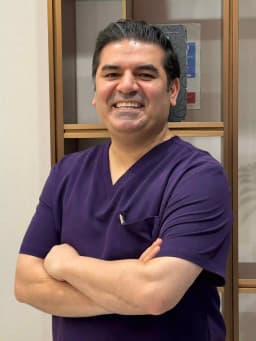
Cosmetic Dentistry Clinic
Cosmetic Dental Team at Cosmetic Dentistry Clinic
With years of experience in cosmetic and restorative dentistry, Cosmetic is dedicated to helping patients achieve their perfect smile through personalised care and cutting-edge techniques.