
Introduction
Relocating to a new city or borough is exciting, but it also brings a number of practical concerns — including continuity of dental care. For patients who have dental implants, one of the most common worries after moving is how to register with a new dental practice and ensure their implants continue to be monitored safely.
Searching for guidance on preparing for a dental implant review after moving to a new area is entirely understandable. Implants are a long-term investment in your oral health, and regular professional monitoring is an important part of keeping them in good condition. Without continuity of care, subtle changes around the implant site may go undetected.
This article explains what a dental implant review typically involves, how to gather the records your new dentist will need, what to expect during your first appointment, and how to take care of your implants in the meantime. As always, individual suitability for any treatment or monitoring plan should be assessed during a clinical examination.
Featured Snippet Answer
How can you prepare for a dental implant review after moving to a new area?
To prepare for a dental implant review after moving, gather all relevant dental records from your previous clinic, including X-rays, implant placement reports, and crown or restoration details. Register with a new dental practice, inform them of your implant history, and book an assessment. Your new dentist can then evaluate implant health and recommend an appropriate maintenance plan.
Why Continuity of Implant Care Matters
Dental implants are designed to be a long-lasting solution for missing teeth, but like natural teeth, they require regular professional review to remain healthy. The tissue surrounding an implant — including the gum and underlying bone — needs to be assessed periodically to check for early signs of any changes.
When patients move to a new area, there is sometimes a gap in their dental care whilst they search for a new practice. For implant patients, this gap can be a concern, particularly if a scheduled review is overdue.
Implant reviews typically involve:
- Visual examination of the gum tissue and surrounding area
- Probing to assess pocket depths around the implant
- Radiographic imaging (X-rays) to evaluate bone levels
- Assessment of the restoration — the crown, bridge, or denture attached to the implant
- Oral hygiene review specific to implant care
These checks help a dental professional identify any early indicators that may benefit from attention, long before symptoms become noticeable. Engaging with a new dentist as soon as reasonably possible after moving is a sensible step for anyone with implants.
Gathering Your Previous Dental Records
One of the most practical things you can do when preparing for a dental implant review at a new clinic is to request your dental records from your previous dentist before you move — or as soon as possible afterwards.
Under UK data protection legislation, patients have the right to request access to their dental records. Your previous practice may provide these in digital or printed format and may charge a reasonable administrative fee.
Useful records to request include:
- Implant placement reports — detailing the system and components used, implant dimensions, and the position of each implant
- Radiographs — particularly any baseline X-rays taken at placement and subsequent review X-rays showing bone levels over time
- Restoration details — information about the crown, abutment, or prosthesis, including manufacturer references
- Maintenance history — records of previous reviews, any issues noted, and treatments carried out
Having this documentation allows your new dentist to establish a clear picture of your implant history without starting from scratch. It also means that if any clinical decisions need to be made, they can be made with full context.
If you are unable to retrieve complete records, do not be discouraged. A new dentist can still conduct a thorough assessment, though some historical information may need to be reconstructed over time.
How to Find a Suitable New Dental Practice
Finding a dental practice that has experience in implant dentistry and ongoing implant maintenance is an important consideration when moving to a new area. Not all general dental practices offer implant aftercare, so it is worth checking this when registering.
When searching for a new dentist in London or elsewhere:
- Check the practice website for information on implant services and the team's qualifications
- Look for GDC-registered clinicians with relevant postgraduate training or experience in implantology
- Contact the practice directly to ask whether they offer implant reviews and monitoring
- Confirm what the assessment appointment involves so you know what to expect
You may also wish to ask whether the practice uses digital radiography, which allows for efficient comparison of X-rays over time — a particularly useful tool for monitoring bone levels around implants.
When you register, mention your implant history at the outset. This helps reception staff book an appropriate length of appointment and ensures the dental team is prepared to carry out a thorough assessment.
What to Expect at Your First Implant Review Appointment
Your first appointment at a new dental practice is largely an opportunity for your new dentist to understand your oral health history and establish a baseline from which future care can be planned.
If you have dental implants, a thorough clinical assessment will typically include:
Review of your dental history The dentist will ask about when your implants were placed, who carried out the treatment, any complications or concerns you may have experienced, and your current oral hygiene routine. Bring any records or paperwork you have gathered from your previous practice.
Clinical examination The dentist will examine the implants visually and may use a periodontal probe to gently assess the gum tissue around each implant site. This is a routine check to look at pocket depths, which can indicate whether the tissue surrounding the implant is healthy.
Radiographic assessment Depending on when your last X-rays were taken, the dentist may recommend updated radiographs. These provide essential information about bone levels and the integrity of the implant components. Your new dentist will use these as a baseline for comparison in future reviews.
Restoration check The crown, bridge, or other restoration attached to the implant will be assessed for fit, wear, and function. Any issues with the prosthetic component can usually be addressed at a subsequent appointment.
Oral hygiene advice Implant maintenance requires a slightly different approach to natural teeth. Your new dentist or hygienist may offer guidance on appropriate brushing techniques, interdental cleaning, and any specialist products that may help you maintain the health of the implant site.
The Clinical Science Behind Implant Health
Understanding why regular monitoring is important begins with understanding how dental implants integrate with the body. When a dental implant is placed, it undergoes a process called osseointegration — the titanium implant fixture fuses directly with the surrounding jawbone over a period of several months. This integration provides the stable foundation that makes implants such an effective long-term solution for missing teeth.
However, the health of the tissue surrounding an implant — both the soft gum tissue and the underlying bone — can be affected by a number of factors over time. A condition known as peri-implantitis involves inflammation of the tissues around an implant and, in some cases, progressive bone loss. Like gum disease around natural teeth, peri-implantitis is associated with the accumulation of bacterial plaque and calculus (hardened deposits) at the implant site.
Early detection through regular review is important because peri-implantitis in its initial stages may cause few or no noticeable symptoms. By the time a patient experiences discomfort or notices visible changes, the condition may have progressed further than would be ideal. This is one of the key reasons why maintaining a consistent programme of professional implant reviews — even after moving to a new area — is genuinely beneficial to long-term implant health.
Understanding more about gum disease and its potential impact on dental implants can be helpful for patients who want to stay informed about maintaining their oral health between appointments.
Signs That May Indicate You Should Seek an Appointment Sooner
If you are in the process of finding a new dentist after moving but have not yet registered, there are certain symptoms that would warrant seeking an appointment promptly rather than waiting.
It is important to note that the presence of these symptoms does not necessarily mean something is seriously wrong — only a clinical assessment can determine the cause and appropriate course of action. However, being aware of these signs is a sensible part of being an informed implant patient.
You may wish to arrange an assessment sooner if you notice:
- Discomfort, tenderness, or pain around the implant site that was not previously present
- Swelling, redness, or bleeding of the gum tissue around the implant
- A sensation that the crown or restoration feels loose or has changed in how it feels when biting
- Any visible changes to the gum line around the implant
- Bad taste or odour that persists despite thorough oral hygiene
None of these symptoms should be a cause for alarm, but they are worth discussing with a dental professional at the earliest opportunity. An early assessment is always preferable to a delayed one when concerns arise.
Maintaining Your Implants Between Appointments
Whilst waiting to register with a new practice and book your implant review, there is a great deal you can do to support the ongoing health of your implants through good oral hygiene at home.
Daily cleaning habits for implant patients:
- Brush twice daily using a soft-bristled toothbrush and a non-abrasive toothpaste. Some patients find an electric toothbrush helpful, though technique matters more than the type of brush used.
- Clean between teeth and around implants daily using interdental brushes, dental tape, or a water flosser. Standard floss may not be effective for reaching under the gum line around implant components.
- Use any specialist products recommended by your previous hygienist, such as chlorhexidine mouthwash for short-term use if advised, or specific implant-safe cleaning aids.
- Avoid habits that may damage implants, including smoking, which is associated with increased risk of peri-implant complications, and grinding or clenching habits that place excessive force on the restoration.
Maintaining a consistent and thorough oral hygiene routine is one of the most meaningful ways patients can support the longevity of their implants between professional reviews.
If you would like to understand more about what a professional dental hygiene appointment involves, this can be a valuable complement to your regular implant monitoring.
Key Points to Remember
- Gathering your dental records before or shortly after moving makes it much easier for a new dentist to assess your implant history accurately.
- Not all dental practices offer implant aftercare — it is worth confirming this when registering with a new clinic.
- A thorough dental implant review at a new practice typically includes a clinical examination, X-rays, and an oral hygiene assessment.
- Regular professional monitoring is important because early changes around implants may not cause obvious symptoms.
- Good daily oral hygiene specific to implants helps support long-term health between appointments.
- If you notice any unusual symptoms around your implant — such as swelling, discomfort, or a change in the feel of the restoration — seek a dental assessment sooner rather than later.
Frequently Asked Questions
How long can I go without a dental implant review?
Most dental professionals recommend that implant patients attend a dedicated review at least once a year, though some patients with higher risk factors — such as a history of gum disease or smoking — may benefit from more frequent check-ups. If you have recently moved and have a review overdue, it is advisable to book an appointment at your new practice as soon as possible. The interval recommended for you will depend on your individual clinical circumstances, which your new dentist can assess during your first appointment.
Will my new dentist be able to work on my implants if they are from a different system?
Dental implants come from a variety of manufacturers and systems, which is one of the reasons why having documentation of your implant details is so helpful. A new dentist may request information about the implant system used so that compatible components can be sourced if any restoration work is needed in future. For routine monitoring appointments, the specific implant system is less critical, though knowing it helps the clinician plan comprehensively. Your new dentist will guide you on what information is needed.
Can I ask for my dental X-rays to be sent to my new practice?
Yes. Under UK data protection law, patients can request copies of their dental records, including X-rays. Your previous practice may provide these electronically or in printed form. There may be a small administrative charge. Digital X-rays can often be emailed directly to your new practice, which simplifies the process. It is worth making this request as soon as you know you are moving, as it can take time for practices to process such requests.
What is peri-implantitis and how would I know if I had it?
Peri-implantitis is an inflammatory condition affecting the tissue around a dental implant. In its earlier stages, it may cause minimal or no symptoms, which is why regular professional monitoring is so valuable. Some patients may notice redness, swelling, or occasional bleeding around the implant site. In more advanced cases, there may be discomfort or looseness of the implant. Only a clinical examination — including X-rays to assess bone levels — can reliably detect and assess the extent of any changes. If you have concerns, booking an assessment with your new dentist is the most appropriate step.
Should I see a hygienist as well as a dentist for implant care?
For many implant patients, regular appointments with a dental hygienist are a helpful complement to clinical reviews with a dentist. A hygienist can provide professional cleaning around implant components using instruments specifically designed to be safe for implant surfaces, as well as personalised oral hygiene instruction. The frequency and nature of hygiene appointments will depend on your individual needs, which your new dental team can advise on after an initial assessment.
What if my previous practice has closed or no longer holds my records?
If your previous dental practice has closed, records should have been transferred to another provider or a records management body. You can contact the local NHS area team or enquire with the GDC for guidance on tracing records from closed practices. If records cannot be retrieved, your new dentist can still carry out a thorough clinical assessment and establish a new baseline from which your future care can be planned. It is not ideal, but it is a manageable situation.
Conclusion
Moving to a new area need not mean a break in the care and attention your dental implants deserve. By gathering your dental records, registering promptly with a new practice experienced in implant care, and maintaining a thorough daily oral hygiene routine, you can take positive, practical steps to support your implant health during the transition.
A dental implant review at your new clinic will allow a qualified dental professional to assess the current state of your implants, establish a baseline for future monitoring, and advise on any care adjustments that may be beneficial. Early engagement with a new practice is always preferable to an extended gap in care, particularly for patients with implants.
If you notice any changes around your implant site — such as discomfort, swelling, or changes in how your bite feels — do not hesitate to seek a professional assessment sooner rather than later.
Disclaimer: This article is for general educational information only and is not personalised dental advice. Diagnosis and treatment recommendations require a clinical examination by a qualified dental professional.
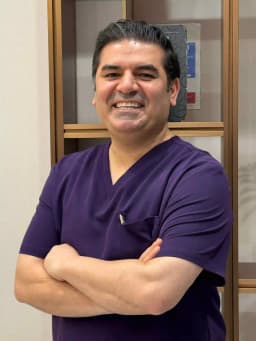
Cosmetic Dentistry Clinic
Cosmetic Dental Team at Cosmetic Dentistry Clinic
With years of experience in cosmetic and restorative dentistry, Cosmetic is dedicated to helping patients achieve their perfect smile through personalised care and cutting-edge techniques.