
Introduction
Starting life with a new dental appliance can feel unfamiliar and, at times, a little overwhelming. If you have recently been fitted with flexible dentures — or are considering them — you may be wondering how long it will take before they feel comfortable and natural in your mouth. This is one of the most common questions patients ask, and it is entirely understandable.
Getting used to flexible dentures is a gradual process. Unlike traditional rigid acrylic dentures, flexible dentures are made from a soft, pliable thermoplastic material designed to conform gently to the contours of your gums. Many patients find them more comfortable from the outset, yet an adjustment period is still to be expected.
This article explains what the adaptation process typically involves, what sensations are considered normal, how you can support your own adjustment at home, and when it may be helpful to return to your dental team for a review.
Understanding what to expect can make the journey far less daunting and help you get the most from your flexible dentures.
Featured Snippet: How Long Does It Take to Get Used to Flexible Dentures?
How long does it take to get used to flexible dentures?
Most patients find that getting used to flexible dentures takes between two to four weeks for basic comfort, with full adaptation often occurring within one to three months. The adjustment period can vary depending on individual anatomy, previous denture experience, and how consistently the appliance is worn. Regular dental review during this period supports a positive outcome.
What Are Flexible Dentures?
Flexible dentures — sometimes referred to by brand names such as Valplast — are a popular alternative to conventional acrylic or metal-framed dentures. They are constructed from a lightweight, semi-translucent thermoplastic nylon material that flexes gently under pressure rather than remaining rigid.
This flexibility offers several patient-centred advantages. The material is generally considered more comfortable against sensitive gum tissue, less likely to cause pressure sores, and more aesthetically discreet, as the pinkish tones of the base blend naturally with the gums.
Flexible dentures are most commonly used as partial dentures — replacing one or several missing teeth — rather than full-arch dentures, though clinical suitability varies from patient to patient. They do not typically require metal clasps, which many patients find more comfortable and visually preferable.
As with any dental appliance, whether flexible dentures are appropriate for your situation depends on a thorough clinical assessment. Your dentist will consider the condition of your remaining teeth and gums, your bite, and your overall oral health before recommending the most suitable option.
If you are exploring tooth replacement options more broadly, learning about dentures and tooth replacement treatments available at our clinic may help you understand the full range of choices.
The Typical Adjustment Period for Flexible Dentures
Getting used to flexible dentures is a staged process, and it is helpful to understand what to expect at each phase.
The First Few Days
When you first wear your flexible dentures, your mouth will immediately register that something new is present. You may notice:
- An increased production of saliva — this is a protective reflex and generally settles within a few days
- A feeling of fullness or bulk inside the mouth
- Altered speech, particularly with sounds such as "s," "f," and "th"
- Mild pressure or awareness along the gumline
These sensations are entirely normal and do not indicate that something is wrong with your appliance. Your mouth and tongue are highly sensitive organs that quickly detect changes in their environment.
Weeks One to Four
During the first month, most patients notice a gradual and meaningful improvement in comfort. Speech typically begins to normalise as the tongue learns to work around the new appliance. Chewing may still feel awkward, and starting with softer foods during this phase is generally recommended.
Soreness or mild irritation at specific points along the gum tissue can occur and is worth noting so you can discuss it at your review appointment.
One to Three Months
By the end of this period, the majority of patients report that their flexible dentures feel considerably more natural. Eating a wider range of foods becomes easier, and most people stop being acutely aware of the appliance throughout the day.
Full adaptation — where the denture feels entirely integrated into daily life — can take up to three months for some individuals, particularly those who are wearing dentures for the first time.
Why the Adjustment Period Varies Between Patients
It is worth noting that no two patients will experience exactly the same adjustment timeline. Several factors influence how quickly someone adapts to flexible dentures:
Previous denture experience: Patients who have worn dentures before — even of a different type — generally adapt more quickly than first-time denture wearers. The neuromuscular pathways associated with wearing an appliance have already been established to some degree.
Individual oral anatomy: The shape, ridge height, and tissue density of your gums, as well as the position of any remaining natural teeth, all affect how the denture sits and how your mouth responds to it.
Consistency of wear: Wearing your dentures as directed by your dental team — including during the daytime adjustment phase — generally supports faster adaptation. Removing the appliance frequently during the early weeks can slow the process.
Age and tissue sensitivity: Gum tissue sensitivity can vary with age, and some patients may find pressure points more noticeable than others.
Psychological comfort: Feeling informed and reassured about the process can also play a meaningful role in how patients experience the adjustment period.
The Dental Science Behind Flexible Dentures and Oral Adaptation
Understanding a little about the oral structures involved can help explain why adaptation takes time.
Your gums — known clinically as the gingival tissue — sit over the alveolar bone (the bony ridge of the jaw). When teeth are lost, this ridge gradually changes shape over time through a process called bone resorption. A denture must rest on and be supported by this soft tissue and bone structure.
Unlike natural teeth, which are anchored in the jawbone via the periodontal ligament, dentures rely on suction, retention from remaining teeth (in the case of partials), and the muscular activity of the lips, cheeks, and tongue for stability.
The neuromuscular system — the coordinated network of nerves and muscles governing jaw movement, speech, and swallowing — must recalibrate to accommodate the new appliance. This recalibration is what takes time and conscious effort.
Flexible dentures, because of their thermoplastic nature, conform more closely to the gum surface than rigid acrylic alternatives. This can reduce pressure hotspots, but it does not eliminate the need for this neuromuscular adjustment entirely.
Saliva also plays an important role. It acts as a lubricant and helps create a mild adhesive seal between the denture base and the mucosal tissue. Initially, the body may produce excess saliva in response to the new appliance; this typically normalises within one to two weeks.
Practical Tips to Help You Adjust More Comfortably
There are several evidence-informed approaches that may support a smoother adjustment period:
Start with softer foods. During the first few weeks, choose foods that require minimal chewing force — such as soup, mashed vegetables, fish, eggs, and yoghurt. Gradually reintroduce firmer foods as your confidence and comfort build.
Practise speaking aloud. Reading aloud at home — from a book or newspaper — can help your tongue adapt more quickly and restore natural speech patterns sooner.
Wear your dentures consistently. Unless your dentist has advised otherwise, wearing your dentures during the day as regularly as possible encourages faster adaptation. However, most dentists recommend removing them at night to allow the gum tissue to rest.
Maintain excellent oral hygiene. Clean your flexible dentures daily using a soft-bristled brush and a denture-specific cleaning solution. Avoid boiling water or harsh abrasives, which can distort the thermoplastic material. Also brush your gums and any remaining natural teeth thoroughly.
Keep your review appointments. These appointments allow your dental team to make small adjustments to the fit, address any pressure sores, and monitor your progress.
When You May Benefit from a Dental Review
Whilst some discomfort and awareness during the early adjustment period is to be expected, there are certain situations where seeking a dental review sooner rather than later is advisable:
- Persistent soreness or ulceration at specific points along the gum tissue that does not improve after the first week or two
- Difficulty eating that does not ease with practice and softer foods
- Speech difficulties that remain pronounced after several weeks
- Clicking, slipping, or instability of the denture during normal function
- Any swelling, bleeding, or signs of infection in the gum tissue underneath the denture
- Changes in fit — flexible dentures may require adjustment over time as the underlying bone and gum tissue naturally changes shape
It is important to remember that a properly fitted flexible denture should not cause significant pain. Discomfort and pain are different experiences, and persistent pain warrants professional assessment.
Your dental team can make adjustments to relieve specific pressure areas, modify the fit, or advise on whether a reline or replacement may be appropriate in due course.
Caring for Your Flexible Dentures Over Time
Ongoing care is essential to maintain both the condition of your flexible dentures and the health of your gum tissue and any remaining teeth.
Cleaning routine: Rinse your dentures after meals when possible. Clean them thoroughly each night using a soft brush and a product recommended by your dentist. Flexible dentures should not be soaked in standard denture tablets unless the product is specifically confirmed as safe for thermoplastic materials, as certain solutions can damage the material.
Storage: When not in use — typically overnight — store your flexible dentures in clean water or a denture storage solution recommended by your clinical team. Do not allow them to dry out, as this can cause distortion.
Regular dental check-ups: Attending routine dental check-ups remains important even when you have dentures. Your dentist will assess the condition of your remaining teeth (if any), examine the soft tissue of your gums and mouth, and check the fit and integrity of the appliance.
Handling with care: Flexible dentures are durable but not indestructible. Handle them over a folded towel or a basin of water when cleaning to reduce the risk of damage if dropped.
For more detailed guidance on maintaining good oral health alongside dental appliances, our team at Cosmetic Dentistry Clinic is available to help.
Key Points to Remember
- Getting used to flexible dentures typically takes between two weeks and three months, depending on individual factors.
- Sensations such as excess saliva, altered speech, and mild pressure are normal during the early adjustment phase.
- Consistent wear, practising speech, and starting with softer foods can all support a smoother adaptation.
- Flexible dentures are made from a pliable thermoplastic material that is designed to be more comfortable than rigid alternatives, though an adjustment period is still expected.
- Persistent pain, soreness, or changes in fit should always be assessed by your dental team.
- Regular cleaning and dental reviews are essential for the long-term success of flexible dentures.
Frequently Asked Questions
Is it normal for flexible dentures to feel loose at first?
Some movement and awareness during the early adjustment period is common, particularly with partial flexible dentures. Your mouth muscles — including the cheeks, lips, and tongue — need time to learn how to stabilise the appliance during function. However, significant slipping or clicking that persists beyond the initial weeks may indicate that an adjustment to the fit is needed. Returning to your dentist for a review is advisable if you feel the denture is consistently unstable, as this can usually be addressed with minor clinical modifications.
Can I eat normally with flexible dentures?
Most patients are able to return to a reasonably varied diet once they have adjusted to their flexible dentures, which usually takes a few weeks to a couple of months. During the initial period, softer foods are recommended to build confidence and avoid dislodging the appliance. Very hard, sticky, or chewy foods may always require a degree of care, and your dental team can offer specific guidance based on the design and position of your denture. Every patient's experience is individual, and clinical advice tailored to your situation is always most appropriate.
Will flexible dentures affect my speech permanently?
No — speech changes associated with flexible dentures are typically temporary. During the adjustment period, certain sounds may feel more difficult to produce clearly. This occurs because the tongue and lips must adapt to the presence of the new appliance. Regular practice — such as reading aloud — helps accelerate this process. Most patients find their speech returns to or very close to normal within a few weeks. If speech difficulties are pronounced or persistent beyond several weeks, a dental review is recommended to check the fit and positioning of the denture.
How long do flexible dentures last?
The lifespan of flexible dentures varies depending on the individual, how consistently they are worn, and how well they are maintained. In general, flexible dentures may last between five and ten years, though longevity varies between individuals and cannot be predicted with certainty. Your dentist can advise based on your specific clinical situation. Over time, the fit may change as the underlying gum and bone tissue naturally alters in shape. Regular dental check-ups allow your dentist to monitor the condition of the appliance and recommend relining or replacement when appropriate. Damage from dropping or improper cleaning can also reduce longevity.
Are flexible dentures suitable for everyone?
Flexible dentures are a suitable option for many patients, but clinical suitability depends on individual oral health factors including the condition of remaining teeth, gum tissue health, bite pattern, and jaw anatomy. They are most commonly used as partial dentures rather than full-arch replacements. A thorough clinical assessment is necessary before any denture type is recommended. Patients with certain oral health conditions, complex bite issues, or those requiring full arch replacement may be better suited to alternative appliances. Your dentist will discuss all appropriate options with you during a consultation.
What should I do if my flexible denture causes a sore spot?
Mild soreness during the first week or two of wearing a new flexible denture can be expected, particularly as the gum tissue adapts to the pressure of the appliance. However, if a specific area remains persistently sore, develops an ulcer, or causes significant discomfort during normal function, you should contact your dental team. A minor adjustment — known as a denture adjustment or occlusal correction — can often resolve the issue quickly. It is not advisable to attempt to adjust the denture yourself, as this may compromise the fit or damage the material.
Conclusion
Adjusting to flexible dentures is a process that requires patience, consistency, and a little practical support. For most patients, getting used to flexible dentures takes between a few weeks and three months, with gradual improvements in comfort, speech, and eating confidence throughout that period. Understanding what is normal during the adaptation phase can make the experience considerably less unsettling and help you stay on course.
Flexible dentures offer a comfortable and aesthetically pleasing tooth replacement option for many patients, but like all dental appliances, they require ongoing care and periodic professional review to maintain their fit and function.
If you are experiencing persistent discomfort, a change in fit, or any oral health concerns related to your dentures, seeking guidance from your dental team is always the right step. You might also find it helpful to explore cosmetic and restorative dental treatments that can complement your overall oral health plan.
Disclaimer: This article is for general educational information only and is not personalised dental advice. Diagnosis and treatment recommendations require a clinical examination by a qualified dental professional.
Cosmetic Dentistry Clinic
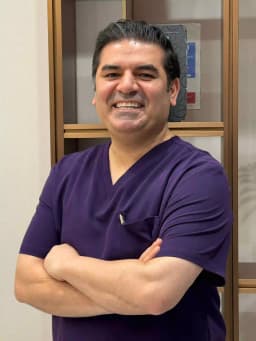
Cosmetic Dental Team at Cosmetic Dentistry Clinic
With years of experience in cosmetic and restorative dentistry, Cosmetic is dedicated to helping patients achieve their perfect smile through personalised care and cutting-edge techniques.