
Dental Implants for Seniors: Is There an Age Limit?
One of the most common questions older adults ask when considering tooth replacement is whether there is an age limit for dental implants. It is a perfectly understandable concern — after all, surgical procedures of any kind tend to prompt more careful thought as we get older, and patients naturally want to know whether implant treatment is realistic and safe for them.
The reassuring answer is that there is no fixed upper age limit for dental implant treatment. Patients in their seventies, eighties, and even nineties have successfully received implants. What matters far more than chronological age is the patient's overall health, the condition of their jawbone, and their ability to heal after a surgical procedure.
This article explores the key considerations around dental implants for seniors, including what the dental team will assess, how age-related factors may influence treatment, and what older patients can expect from the process. Whether you are considering implants for yourself or researching on behalf of a family member, this guide is designed to provide clear, balanced information to support an informed conversation with a dental professional.
Is There an Age Limit for Dental Implants?
There is no upper age limit for dental implants. Suitability for implant treatment is determined not by age but by overall health, jawbone quality, and the ability to undergo a minor surgical procedure and heal effectively. Many seniors in good general health are excellent candidates for dental implants, and successful outcomes are routinely achieved in older patients following a thorough clinical assessment.
Why Age Alone Does Not Determine Implant Suitability
In dentistry, as in medicine more broadly, clinical decisions are based on individual health rather than a number on a birth certificate. Two patients of the same age may have very different health profiles — one may be fit and active with strong bone density, while the other may have medical conditions that require additional consideration.
The factors that truly determine whether dental implants are suitable include:
- General health: The patient's overall medical condition and ability to tolerate a minor surgical procedure under local anaesthesia
- Bone quality and quantity: Whether the jawbone has sufficient volume and density to support an implant, or whether preparatory treatment such as bone grafting may be needed
- Healing capacity: The body's ability to heal and integrate the implant with the surrounding bone (osseointegration)
- Oral health: The condition of the remaining teeth, gums, and supporting structures
- Medications: Whether any current medications may affect healing, bone metabolism, or bleeding
A healthy 80-year-old may be a better candidate for implants than a 50-year-old with uncontrolled diabetes or untreated gum disease. This is why a thorough individual assessment is always the starting point for any implant treatment plan.
How Ageing Affects the Jawbone and Oral Health
While age itself is not a barrier to implant treatment, there are certain age-related changes in the mouth and body that the dental team will take into account during assessment.
Bone density changes. As we age, bone density throughout the body tends to decrease gradually. In the jaw, this natural process can be compounded by the effects of tooth loss — when a tooth is removed, the bone that once supported it begins to resorb. Patients who have been missing teeth for many years may have experienced significant bone loss in those areas. However, bone grafting procedures can often rebuild the jawbone to a level that supports implant placement.
Gum tissue changes. The gum tissue may become thinner or more fragile with age, which can influence how the soft tissue heals around an implant. Maintaining good gum health before and after treatment is important for a successful outcome.
Dry mouth. Many older adults take medications that can cause dry mouth (xerostomia), which reduces the protective effects of saliva and may increase the risk of oral infections. Managing dry mouth is an important part of maintaining a healthy environment for an implant.
Slower healing. The body's healing processes may slow slightly with age, which can mean that osseointegration takes a little longer in some older patients. This is not usually a significant concern but may influence the treatment timeline.
The Science of Osseointegration in Older Patients
Osseointegration — the biological process by which the titanium implant bonds with the surrounding jawbone — is the foundation of successful dental implant treatment. When an implant is placed into the bone, specialised cells called osteoblasts begin to produce new bone tissue that grows directly onto the implant surface, gradually securing it in place.
Research has consistently shown that osseointegration can occur successfully in older patients. While the rate of new bone formation may be marginally slower in seniors compared to younger adults, the overall success rates remain high. Several large clinical studies have reported implant success rates of over 90 per cent in patients aged 70 and above, with some studies reporting figures comparable to those seen in younger patient groups.
The key factors that support successful osseointegration in older patients are the same as those for any age group: adequate bone volume, a healthy blood supply to the surgical site, good oral hygiene, and the absence of factors that significantly impair healing — such as uncontrolled diabetes, heavy smoking, or certain medications that affect bone metabolism.
It is worth noting that while age may modestly influence healing speed, it does not fundamentally change the biological mechanism of osseointegration. The implant surface chemistry and the body's bone-forming response remain effective regardless of age.
Medical Conditions That May Require Additional Consideration
Certain medical conditions that are more prevalent among older adults may require additional assessment or management before implant treatment can proceed. These conditions do not necessarily prevent treatment but may influence the approach or timeline.
Osteoporosis. Osteoporosis affects bone density throughout the body, including the jaw. While patients with osteoporosis can often still receive implants, the dental team may need to evaluate bone quality more carefully. Some osteoporosis medications — particularly bisphosphonates — can affect bone healing, and the treating dentist may liaise with the patient's GP or specialist before proceeding.
Diabetes. Well-controlled diabetes is generally not a barrier to implant treatment. However, poorly controlled diabetes can impair wound healing and increase the risk of infection. Patients with diabetes should ensure their condition is well managed before undergoing any surgical procedure.
Cardiovascular conditions. Patients taking blood-thinning medications may require adjustments to their medication regimen around the time of surgery, in consultation with their GP or cardiologist. The dental team will coordinate care as needed.
Immunosuppressive conditions or treatments. Conditions or medications that suppress the immune system may affect the body's ability to heal and fight infection. These cases require careful clinical judgement and may involve collaboration with the patient's medical team.
Open communication between the patient, the dental team, and the patient's medical practitioners is essential to ensure safe and appropriate treatment planning.
Dental Implants for Seniors: Benefits and Quality of Life
For many older adults, dental implants can offer meaningful improvements in daily life. Tooth loss can affect not only the ability to eat and speak comfortably but also confidence, social interaction, and overall wellbeing.
Potential benefits of implant treatment for seniors may include:
- Improved chewing ability: Implants function much like natural teeth, allowing patients to eat a wider range of foods — including nutritious options that may be difficult to manage with loose dentures
- Better nutrition: The ability to chew effectively can support a more balanced diet, which is particularly important for maintaining health in later years
- Speech clarity: Poorly fitting dentures can sometimes affect speech. Implant-supported restorations are fixed in place and do not move during speaking
- Preservation of bone: Unlike traditional dentures, implants stimulate the jawbone and may help to slow the process of bone resorption
- Stability and comfort: Implants eliminate the discomfort and insecurity that can come with loose or ill-fitting dentures
- Confidence: A stable, natural-looking smile can have a positive impact on self-esteem and social confidence
These benefits should be weighed alongside the clinical considerations and discussed openly during a consultation.
Implant-Supported Dentures: A Popular Option for Seniors
For older patients who are missing multiple teeth or a full arch, implant-supported dentures offer an alternative to traditional removable dentures. Rather than resting on the gums and relying on suction or adhesive, an implant-supported denture is anchored to a small number of implants placed strategically in the jawbone.
This approach offers several advantages for seniors:
- Greater stability and retention than conventional dentures
- Reduced irritation to the gum tissue
- Improved biting force and chewing efficiency
- A more secure feeling when eating, speaking, and socialising
In many cases, as few as two to four implants can be used to stabilise a full denture, making this a less invasive option than replacing each missing tooth with an individual implant. The denture may be fixed permanently in place or designed to be removable for cleaning, depending on the patient's preferences and clinical suitability.
For patients who have been wearing conventional dentures for many years and are finding them increasingly uncomfortable or unstable, implant-supported dentures can represent a significant improvement in daily comfort and function.
When Professional Dental Assessment May Be Needed
Older adults considering dental implants should begin with a thorough clinical assessment. This is particularly important if any of the following apply:
- You have been missing one or more teeth for an extended period and are concerned about bone loss
- Your current dentures are loose, uncomfortable, or causing irritation to the gums
- You have noticed changes in your ability to chew or speak comfortably
- You take medications for osteoporosis, diabetes, or cardiovascular conditions
- You have been told in the past that you are too old for implants and would like a second opinion
- You are experiencing pain, swelling, or infection around existing teeth or restorations
A consultation typically involves a clinical examination, a review of medical history, and advanced imaging such as a cone beam CT scan to assess the jawbone. This information allows the dental team to determine whether implant treatment is appropriate and to develop a personalised treatment plan.
Oral Health Maintenance for Seniors with Dental Implants
Maintaining good oral health is important at any age, but it becomes particularly relevant for older patients with dental implants. The long-term success of an implant depends not only on the initial placement and healing but also on ongoing care.
- Brush twice daily using a soft-bristled toothbrush, paying careful attention to the area where the implant meets the gum tissue
- Use interdental aids such as interdental brushes, floss designed for implants, or a water flosser to clean around and beneath the implant restoration
- Attend regular dental check-ups so the dental team can monitor the implant, the surrounding bone, and the health of the gum tissue
- Keep up with professional hygiene appointments for thorough cleaning around the implant that may be difficult to achieve at home
- Manage dry mouth by staying hydrated, using saliva substitutes if needed, and discussing any medication side effects with the GP
- Report any changes promptly — including looseness, discomfort, swelling, or bleeding around the implant — so that any issues can be addressed early
With conscientious care, a well-placed dental implant can serve a patient reliably for many years, including well into later life. Regular monitoring by the dental team ensures that any changes are detected and managed promptly, helping to protect the investment in the patient's implant restoration.
Key Points to Remember
- There is no upper age limit for dental implants — suitability is determined by overall health, bone quality, and healing capacity, not by age
- Many seniors in good general health are excellent candidates for implant treatment, with success rates comparable to younger patients
- Medical conditions such as osteoporosis, diabetes, and cardiovascular disease may require additional assessment but do not automatically rule out treatment
- Implant-supported dentures can offer a more stable and comfortable alternative to traditional removable dentures for older adults
- Good oral hygiene, regular dental visits, and open communication with the dental team are essential for long-term implant success
- A thorough clinical assessment is always the first step in determining whether implant treatment is appropriate
Frequently Asked Questions
Can you get dental implants in your 70s or 80s?
Yes, many patients in their seventies and eighties successfully receive dental implants. Age alone is not a contraindication for treatment. What matters is the patient's overall health, the quality and quantity of available jawbone, and the ability to heal following surgery. Older patients who are in good general health, have adequate bone, and do not have uncontrolled medical conditions are often suitable candidates. A thorough assessment by a dental professional is the best way to determine individual suitability.
Do dental implants work as well in older patients?
Clinical research indicates that dental implants can be highly successful in older patients. While healing may be slightly slower in some cases, the biological process of osseointegration — the bonding of the implant to the jawbone — functions effectively in healthy older adults. Several studies have reported implant success rates above 90 per cent in patients over 70. The outcome depends more on individual health factors, bone quality, and aftercare than on age itself.
Is the implant procedure safe for seniors?
Dental implant placement is a minor surgical procedure typically performed under local anaesthesia, making it well tolerated by most patients regardless of age. The dental team will review the patient's full medical history, current medications, and any existing conditions before proceeding. Where necessary, the dentist may coordinate with the patient's GP or medical specialist to ensure treatment is carried out safely. Sedation options may also be available for patients who feel anxious about the procedure.
What if I have been wearing dentures for many years — can I still get implants?
Patients who have worn dentures for many years may have experienced some degree of jawbone loss, as dentures do not stimulate the bone in the way that natural teeth or implants do. However, this does not necessarily mean implant treatment is not possible. Bone grafting procedures can rebuild areas of bone loss, and even patients with reduced bone may be suitable for alternative implant-supported solutions. A CBCT scan will help assess the current bone condition.
How long do dental implants last in older patients?
With proper care and maintenance, dental implants can last many years — and in many cases, for the rest of a patient's life. The implant itself is made from titanium, which is highly durable and biocompatible. The restoration on top of the implant (such as a crown or denture) may need replacement or repair over time due to normal wear. The most important factors in implant longevity are consistent oral hygiene, regular professional check-ups, and prompt attention to any changes around the implant site.
Conclusion
The question of whether there is an age limit for dental implants is one that many seniors and their families ask, and the answer is encouraging — age alone does not prevent someone from being a candidate for implant treatment. Dental implants for seniors are a well-established and widely performed treatment, with outcomes that rival those achieved in younger patients when health and bone conditions are favourable.
What matters most is not a patient's age but their overall health, the condition of their jawbone, and their willingness to maintain good oral hygiene and attend regular dental appointments. A careful clinical assessment allows the dental team to evaluate all of these factors and to recommend the most appropriate and safe course of treatment.
Disclaimer: This article is for general educational information only and is not personalised dental advice. Diagnosis and treatment recommendations require a clinical examination by a qualified dental professional.
Cosmetic Dentistry Clinic
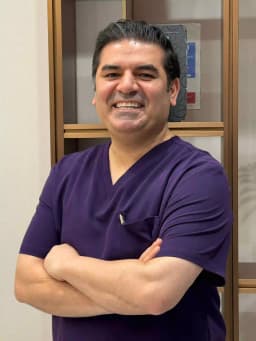
Cosmetic Dental Team at Cosmetic Dentistry Clinic
With years of experience in cosmetic and restorative dentistry, Cosmetic is dedicated to helping patients achieve their perfect smile through personalised care and cutting-edge techniques.