
Introduction
Many people feel self-conscious about the appearance of their teeth, particularly when they are mildly crooked, uneven, or slightly misaligned. It is very common for patients to search online for cosmetic dental options that might improve the look of their smile without committing to orthodontic treatment. Veneers are frequently mentioned as a potential solution, and this raises a very reasonable question: can you have veneers with crooked teeth?
The answer depends on several individual factors that only a qualified dental professional can fully assess. Veneers are thin, custom-made shells — typically crafted from porcelain or composite resin — that are bonded to the front surface of teeth to improve their appearance. They have been used in cosmetic dentistry for decades and can address a wide range of aesthetic concerns.
This article aims to provide a clear, balanced, and educationally accurate overview of how veneers work in relation to crooked teeth, what clinical considerations are involved, and when seeking a professional dental assessment may be the most appropriate next step.
Can You Have Veneers With Crooked Teeth?
In some cases, veneers with crooked teeth may be a suitable cosmetic option, particularly for mild misalignment or irregularity. However, the suitability of veneers depends on the degree of crookedness, overall oral health, and individual bite alignment. A clinical assessment by a qualified dentist is always required to determine the most appropriate treatment.
What Are Dental Veneers and How Do They Work?
Dental veneers are ultra-thin coverings that are carefully designed to fit over the visible front surface of a tooth. They are most commonly made from porcelain, which closely mimics the natural translucency of tooth enamel, or from composite resin, which is applied directly and sculpted by the dentist.
The veneer process typically involves a consultation and assessment phase, followed by the preparation of the tooth surface — which usually involves removing a very small amount of enamel — before impressions or digital scans are taken. These measurements are used to fabricate the veneers to precise specifications. Once ready, the veneers are bonded securely to the teeth using dental adhesive.
Veneers can alter the shape, colour, size, and to a limited degree the perceived alignment of teeth. Because they add volume and coverage to the tooth surface, they can create the visual impression of straighter, more uniform teeth in cases where misalignment is subtle.
It is important to understand that veneers are primarily a cosmetic solution. They do not physically move teeth into a new position. Suitability must always be confirmed through professional examination, as factors such as bite, gum health, and the degree of misalignment all play an important role in whether veneers are appropriate for a given patient. You can learn more about this treatment on our dental veneers page.
Can Veneers Correct the Appearance of Crooked Teeth?
This is one of the most frequently asked questions in cosmetic dental consultations, and the honest answer is: it depends. Veneers with crooked teeth can be a realistic option in certain circumstances, but they are not a universal solution for all degrees of misalignment.
For patients with mild crowding or slight irregularity, veneers may offer a clinically appropriate option for improving the visual uniformity of a smile, subject to individual assessment. By carefully designing veneers to compensate for minor variations in tooth position, a skilled dental professional can work towards a more symmetrical and aesthetically considered result.
However, where teeth are significantly crooked, rotated, or overlapping, veneers may not be the most clinically appropriate route. In these cases:
- The underlying misalignment may affect how the veneer sits and functions
- The bite could be adversely affected if veneers are placed on significantly rotated teeth
- More tooth preparation may be required, which carries its own clinical implications
- Orthodontic treatment may be recommended first to create the appropriate foundation
It is also worth noting that some patients choose to combine orthodontic treatment — such as clear aligners — with veneers afterwards, achieving both functional alignment and cosmetic refinement. A dental professional will discuss what approach may be most suitable following a thorough assessment.
The Clinical Science Behind Veneers and Tooth Alignment
Understanding a little about dental anatomy helps explain why the degree of misalignment matters so much when considering veneers.
Each tooth has a labial surface — the front-facing side visible when you smile. Veneers are bonded to this surface. When teeth are correctly positioned, the labial surface faces forward in a consistent arc, making veneer placement relatively straightforward.
When a tooth is rotated or pushed out of position, the labial surface may face at an angle. Placing a veneer on such a tooth requires careful consideration of how the additional material will interact with the opposing teeth during biting and chewing. An incorrectly placed veneer can place excessive force on certain contact points, potentially causing premature wear or fracture over time.
The bite relationship — how the upper and lower teeth meet — is therefore a crucial factor in assessing veneer suitability. Dentists will evaluate occlusion (the way teeth come together), the degree of tooth overlap, and the available space for veneer material before recommending treatment.
Additionally, enamel quality and thickness matters. A small amount of enamel is typically removed before veneer placement. Our article on modern conservative veneer techniques explains why this preparation is considered carefully. If a tooth's enamel is already compromised or thin, this may affect the viability of the procedure.
This is why a comprehensive clinical examination, which may include X-rays and digital imaging, forms the essential foundation of any veneer treatment planning process.
When Orthodontic Treatment May Be Recommended First
For patients with moderate to severe crooked teeth, a dental professional may recommend considering orthodontic treatment before exploring veneers. This is not intended to deter patients from cosmetic dentistry — rather, it reflects a responsible, patient-centred approach to achieving a suitable long-term outcome.
Orthodontic options commonly discussed in this context include:
- Clear aligner therapy (such as Invisalign) — a discreet, removable option suitable for many adults
- Fixed braces — highly effective for more complex alignment issues
- Short-term orthodontics — sometimes referred to as cosmetic braces, designed to address the front teeth specifically
Once teeth are in improved alignment, veneers may be placed with a more consistent clinical foundation, which can support reduced tooth preparation requirements and may contribute to improved long-term outcomes. Individual results will vary and are subject to clinical assessment.
It is also worth considering that in some cases, orthodontic treatment alone may achieve a satisfactory cosmetic outcome without the need for veneers at all. A dentist can discuss realistic expectations and the full range of options available during a consultation.
Explore our invisible braces treatment to understand more about the alignment solutions we offer alongside cosmetic dentistry.
What Happens During a Veneer Consultation for Crooked Teeth?
A thorough veneer consultation forms the foundation of safe and effective cosmetic dental treatment. Patients with crooked teeth can expect the following during their initial assessment:
Clinical Examination The dentist will carefully examine the teeth, gums, and overall oral health. Any existing dental issues — such as decay, gum disease, or worn enamel — will need to be addressed before cosmetic treatment begins.
Assessment of Bite and Alignment The degree and nature of tooth crookedness will be evaluated. The dentist will assess how the upper and lower teeth come together and whether veneer placement would be functionally safe.
Discussion of Goals and Expectations A good cosmetic dental consultation involves understanding what the patient hopes to achieve. This helps the dentist recommend the most appropriate and realistic pathway — whether that involves veneers alone, orthodontics first, or a combination approach.
Digital Imaging and Smile Design Many modern practices use digital tools to help visualise potential outcomes. This can give patients a clearer sense of what may be achievable and supports informed decision-making.
Personalised Treatment Planning Based on the examination findings and patient preferences, the dentist will outline the recommended treatment plan, including the number of veneers, materials, timescales, and costs involved.
Treatment suitability for veneers with crooked teeth is always determined individually. No two smiles are identical, and clinical recommendations are personalised accordingly.
Oral Health Considerations Before Getting Veneers
Before proceeding with veneers — regardless of whether teeth are crooked — it is essential that the mouth is in good overall health. Veneers are a long-term cosmetic investment, and they generally perform well when placed on a healthy foundation.
Key oral health factors to consider include:
- Gum health — Active gum disease should be treated and stabilised before veneer placement. Inflamed or receding gums can affect how veneers look and how they bond to the tooth.
- Tooth decay — Any cavities must be identified and treated prior to cosmetic work. Placing a veneer over a decayed tooth would not be clinically appropriate.
- Bruxism (teeth grinding) — Patients who grind their teeth may place excessive stress on veneers, potentially leading to chipping or fracture. A dentist will discuss protective options such as night guards if this is identified.
- Existing restorations — The presence of existing fillings or crowns near the treatment area may influence how veneers are designed and fitted.
Maintaining a thorough oral hygiene routine — including twice-daily brushing, daily interdental cleaning, and regular dental hygiene appointments — is important before, during, and after any cosmetic dental treatment.
When to Seek Professional Dental Assessment
If you are considering veneers for crooked teeth, there are a number of circumstances in which it is particularly advisable to seek a professional dental assessment:
- You have noticed increased sensitivity in crooked or crowded teeth
- Your gums appear red, swollen, or bleed regularly when brushing
- You experience jaw pain, headaches, or discomfort when biting
- You are unsure whether your teeth are healthy enough for cosmetic treatment
- You have had dental work done previously and are unsure how it may interact with veneers
- You simply want an honest, professional opinion before making a treatment decision
None of these situations are cause for alarm. They are simply signals that a clinical conversation with a qualified dentist will provide the most accurate and personalised information. Dentists are trained to assess all of these factors carefully and to guide patients towards safe and appropriate treatment options.
If tooth alignment is a concern, our crooked teeth guidance may also be helpful before a consultation with our team.
Prevention and Maintaining Oral Health Alongside Cosmetic Treatment
Whether you proceed with veneers, orthodontic treatment, or a combination of both, maintaining excellent oral health is essential for the longevity of any cosmetic dental work.
Practical advice for supporting your oral health:
- Brush twice daily using a fluoride toothpaste and a soft-bristled toothbrush
- Clean between teeth daily using interdental brushes or floss — this is particularly important for crooked teeth where debris can accumulate more easily
- Attend regular dental check-ups — your dentist can monitor the condition of veneers and identify any concerns early
- Avoid excessive consumption of highly staining foods and drinks (such as coffee, red wine, and certain berries), particularly in the early stages after veneer placement
- Wear a mouthguard during contact sports to protect both natural teeth and any restorations
- Discuss bruxism with your dentist if you suspect you grind your teeth during sleep — this can be addressed proactively before cosmetic treatment
Good preventative habits not only protect any dental work but also support your overall oral and general health in the long term.
Key Points to Remember
- Veneers with crooked teeth may be possible in cases of mild misalignment, but suitability always depends on a full clinical assessment
- Veneers do not physically move teeth — they improve the visual appearance of mild irregularities by altering shape and coverage
- Significant misalignment may require orthodontic treatment before veneers can be placed safely and effectively
- Oral health must be in good condition before any cosmetic dental work is undertaken
- Bite and function are as important as aesthetics — your dentist will evaluate both during consultation
- A personalised treatment plan is always the most appropriate approach — no two patients are identical
Frequently Asked Questions
Will veneers make my crooked teeth look straight?
Veneers can create the visual impression of straighter teeth in cases of mild misalignment. By carefully designing the shape and coverage of each veneer, a skilled dentist can work towards improving the uniformity and symmetry of a smile. However, veneers do not move teeth into a new position. For more significant crookedness, orthodontic treatment may be recommended first. Results vary depending on the individual, and realistic expectations are best discussed during a consultation.
Do you have to straighten teeth before getting veneers?
Not always. Whether teeth need to be straightened before veneers depends on the degree of misalignment and the overall clinical picture. For mild irregularities, veneers may be placed directly. For moderate to significant crookedness, a dentist may recommend orthodontic treatment first to ensure veneers can be placed safely and function correctly long-term. Each case is assessed individually during a clinical examination.
Are veneers permanent for crooked teeth?
Veneers are considered a long-term dental treatment. Because a small amount of enamel is typically removed during preparation, the tooth will generally require a veneer or other restoration indefinitely. Porcelain veneers can last many years with proper care, though they may eventually need to be replaced. Longevity depends on oral hygiene, bite forces, and lifestyle factors. Your dentist will discuss realistic expectations during your consultation.
Can veneers damage already crooked teeth?
When placed appropriately following a thorough clinical assessment, veneers should not damage healthy teeth. However, placing veneers on teeth with significant misalignment, without addressing bite or structural concerns, could potentially lead to complications such as uneven pressure, chipping, or issues with surrounding teeth. This is why a comprehensive examination is essential before proceeding. A qualified dentist will only recommend veneers where they can be placed safely.
How many veneers would I need for crooked teeth?
The number of veneers required depends on how many teeth are visibly affected and what the overall smile design goals are. Some patients may benefit from as few as two veneers for minor concerns, while others may require six to ten or more to achieve a balanced result across the smile. Your dentist will discuss the most appropriate number during your consultation, based on your individual clinical assessment and aesthetic objectives.
Is composite or porcelain veneer better for crooked teeth?
Both composite and porcelain veneers can be used to address the appearance of mildly crooked teeth. Porcelain veneers are generally considered more durable and stain-resistant than composite alternatives, and more closely mimic the natural appearance of tooth enamel, but require more preparation and tend to involve a greater cost. Composite veneers can often be completed in a single visit and may be a good option for some patients. Your dentist will help you understand which material may be most suitable based on your individual circumstances.
Conclusion
The question of whether you can have veneers with crooked teeth is one that many patients understandably explore when researching cosmetic dental options. As this article has outlined, veneers can be a suitable and effective treatment for mild misalignment — but they are not appropriate for every situation, and clinical suitability varies significantly from person to person.
For those with moderate or severe crookedness, orthodontic treatment may be an important first step in preparing a healthy and stable foundation for cosmetic work. For others, veneers may be entirely appropriate without prior orthodontic intervention. The key is to receive an honest, thorough professional assessment before making any treatment decisions.
Maintaining good oral health, attending regular check-ups, and having open conversations with your dental team about your goals are the most valuable steps you can take. Cosmetic dentistry, when undertaken appropriately, can have a genuinely positive impact on confidence and wellbeing — but it should always be approached with accurate information and realistic expectations.
Disclaimer: This article is for general educational information only and is not personalised dental advice. Diagnosis and treatment recommendations require a clinical examination by a qualified dental professional.
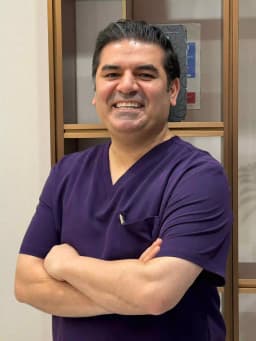
Cosmetic Dentistry Clinic
Cosmetic Dental Team at Cosmetic Dentistry Clinic
With years of experience in cosmetic and restorative dentistry, Cosmetic is dedicated to helping patients achieve their perfect smile through personalised care and cutting-edge techniques.