
Can Flexible Dentures Be Adjusted or Relined Over Time?
If you wear flexible dentures and have noticed a change in how they fit — or you are considering them as a tooth replacement option — you may be wondering whether they can be modified, relined, or adjusted as your mouth changes shape over time. This is a very common and entirely reasonable concern, and one that many patients research online before raising it with their dentist. For a broader comparison of acrylic options, see full vs partial acrylic dentures.
Flexible dentures, often made from materials such as nylon-based thermoplastics, are designed to be lightweight, comfortable, and resilient. However, like all removable dental appliances, they are not immune to the effects of time, wear, or the natural changes that occur in jaw bone and gum tissue following tooth loss.
Understanding how flexible dentures respond to adjustment and relining — and what the limitations of these processes may be — can help you have a more informed conversation with your dental team. This article explains the key clinical considerations, the options that may be available, and when seeking a professional dental assessment would be appropriate.
Can Flexible Dentures Be Adjusted or Relined?
Flexible dentures can sometimes be adjusted by a dental professional, but relining them is more clinically complex than with traditional acrylic dentures. The thermoplastic material used in flexible dentures does not bond as readily with conventional reline materials. Over time, as the gum and bone change shape, a replacement may be recommended rather than a reline.
What Are Flexible Dentures and How Do They Differ from Traditional Dentures?
Flexible dentures are a type of removable partial or full denture made from a pliable thermoplastic resin — most commonly a nylon-based material, often referred to by brand names such as Valplast. Unlike conventional acrylic dentures, which are rigid and typically held in place by metal clasps, flexible dentures use a softer base material that grips naturally around the gum tissue. This can make them more comfortable for some patients, particularly those who are sensitive to harder appliances.
The flexibility of the material offers certain advantages: they are less likely to fracture if dropped, they can feel more natural in the mouth, and they may have better aesthetics because the base material can be made to match gum colour. However, this same flexibility introduces a key challenge when it comes to modification over time. Because the material responds differently under heat and stress, adjustments must be carried out only by a dental professional or dental technician using appropriate equipment.
It is important to understand that no two patients experience denture fit in exactly the same way. Suitability for flexible dentures, and any subsequent adjustments, will always depend on an individual clinical assessment.
Why Denture Fit Changes Over Time
One of the most clinically important things to understand about any form of denture — including flexible dentures — is that fit can change over time, and this is not a reflection of poor workmanship. It is a natural consequence of how the mouth responds to tooth loss.
When teeth are lost, the alveolar bone (the bone that previously supported the tooth roots) begins to resorb, or gradually reduce in volume. This process, known as residual ridge resorption, continues at varying rates from person to person and can be influenced by factors such as age, overall health, the number of teeth lost, and how consistently the denture is worn.
As the underlying bone and gum tissue change shape, the denture that once fitted well may begin to feel looser, less stable, or cause areas of irritation. This is not an emergency, but it is something worth discussing with your dentist if you notice changes, as poorly fitting dentures can affect eating, speech, and gum health over time.
Understanding why fit changes helps explain why relining or replacing a denture may be recommended — not as a failure of the appliance, but as a clinical response to a biological process.
Can Flexible Dentures Be Relined? The Clinical Reality
Relining is a procedure in which new material is added to the fitting surface of a denture to improve its adaptation to changed gum tissue. For traditional hard acrylic dentures, relining is a well-established and relatively straightforward procedure. However, for flexible dentures, the situation is more complex.
The thermoplastic material used in flexible dentures does not bond readily with the acrylic or silicone reline materials typically used in conventional relining. This means that a standard reline, as it would be carried out for an acrylic denture, is generally not suitable for flexible denture bases. Some specialist techniques and materials have been developed to address this, but results can vary and are not universally predictable.
In some cases, a flexible denture may be able to undergo a soft reline using compatible materials, but this must be assessed and carried out by a qualified dental professional or dental technician. Chair-side or home relining kits, which some patients consider, are not recommended for flexible dentures and may damage the appliance or cause gum irritation.
If the fit of your flexible denture has changed noticeably, the most appropriate first step is to have it assessed by your dentist, who can advise on whether adjustment, relining, or replacement would be most clinically appropriate for your circumstances. You can learn more about removable denture options on the clinic website to understand what may suit your needs.
What Adjustments Are Possible with Flexible Dentures?
While full relining of flexible dentures is limited, certain types of adjustments may be possible depending on the specific nature of the issue.
Minor trimming and polishing: If the denture is causing localised irritation or pressure on a specific area of gum tissue, it may be possible for a dental technician to gently trim or smooth that area. This is most effective for small, localised fit issues rather than widespread changes in gum shape.
Clasp adjustments: If the flexible denture includes any metal components or clasps, these may be adjusted in a conventional manner. However, the flexible portions of the denture itself cannot be bent back into shape without appropriate equipment, as doing so at home risks distorting or cracking the material.
Additions: In some cases, teeth or gum sections can be added to a flexible denture if additional teeth are lost. However, this depends on the design of the original appliance and must be assessed by a dental technician.
Full replacement: In many cases where fit has changed significantly, a new denture made to the current shape of the gum and bone provides a more reliable and comfortable outcome than attempting to modify an existing appliance.
The Dental Science Behind Denture Fit and Bone Resorption
To fully appreciate why flexible dentures — or any dentures — may need modification over time, it helps to understand a little about what happens inside the jaw following tooth loss.
Each tooth root sits within a socket in the jawbone. The mechanical forces of chewing and biting are transmitted through the root into the bone, and this stimulation is part of what keeps the bone healthy and at its normal density. When a tooth is removed, this stimulation is lost. The body, detecting that the bone in that area is no longer being mechanically loaded, begins a gradual remodelling process in which the bone reduces in height and width.
The rate at which this resorption occurs varies considerably between individuals and is influenced by factors including age, nutritional status, general health, and whether a denture is worn consistently. Studies suggest that the greatest amount of bone change tends to occur in the first year following tooth loss, but resorption continues at a slower rate throughout a person's life.
This biological process is the primary reason why denture fit changes over time and why patients wearing any form of removable denture — flexible or otherwise — benefit from regular dental reviews to monitor fit and oral health. For patients interested in a tooth replacement option that helps preserve bone volume, a conversation about dental implants with a clinician may be worthwhile, as implants transmit mechanical forces to the bone in a way that dentures cannot.
When to Seek Professional Dental Assessment
There are several situations in which it would be appropriate to contact your dental practice for an assessment of your flexible denture or general oral health. These include:
Changes in fit or comfort: If your denture feels looser than it did previously, rocks during chewing, or has developed areas that rub or cause soreness, this warrants a dental review. In most cases, these changes are manageable, but they are worth addressing sooner rather than later to prevent gum irritation.
Visible changes to the denture: If you notice cracking, distortion, staining, or any structural changes to the denture material, have it checked professionally before attempting any home repair.
Sore or inflamed gums: Gum soreness, redness, or swelling under a denture can sometimes indicate that the appliance is no longer fitting correctly. In some cases, it may be related to a condition called denture stomatitis, which benefits from professional assessment and management.
Difficulty eating or speaking: Changes in how you chew or speak while wearing the denture may indicate that the fit has shifted and that review is appropriate.
It has been longer than 12–18 months since your last dental review: Regular reviews are important for all denture wearers, as they allow your dentist to monitor both the condition of the appliance and the health of your gum tissue and remaining bone.
Caring for Flexible Dentures to Maximise Longevity
Proper daily care of your flexible denture plays an important role in maintaining both its condition and the health of your gums. Here are some practical guidelines:
Clean daily with a soft brush: Use a soft-bristled denture brush and a non-abrasive denture cleaner to clean your flexible denture each day. Avoid standard toothpaste, which can be mildly abrasive and may affect the surface of the appliance over time.
Use compatible soaking solutions: Some flexible denture materials are sensitive to certain chemical cleaners. Check with your dental team which soaking solution is appropriate for your specific appliance, as not all denture cleansers are compatible with thermoplastic materials.
Avoid very hot water: Thermoplastic materials can potentially warp if exposed to very hot or boiling water. Always use cool or lukewarm water when cleaning or soaking your flexible denture.
Store correctly when not wearing: If you remove your denture overnight, store it in water or a recommended soaking solution to prevent it from drying out or distorting.
Attend regular dental reviews: Even when your denture feels comfortable, routine reviews allow early identification of any changes in fit or gum health. Guidance on maintaining good dental hygiene supports not only gum health but also the longevity of your appliance.
Avoid attempting home repairs: DIY adjustments or the use of over-the-counter repair kits can damage the appliance or, in some cases, cause soft tissue injury. Always seek professional advice if the denture requires modification.
Key Points to Remember
- Flexible dentures are made from thermoplastic materials that behave differently from conventional acrylic dentures, which limits the types of modification that are clinically possible.
- Full relining of flexible dentures is more complex than with traditional dentures, and in many cases replacement may be a more appropriate long-term solution.
- Fit naturally changes over time as gum tissue and underlying bone remodel following tooth loss — this is a biological process, not a sign that something has gone wrong.
- Minor adjustments, such as trimming or smoothing pressure areas, may be possible but must be carried out by a dental professional or dental technician.
- Regular dental reviews — typically every 12 to 18 months — are recommended for all denture wearers to monitor appliance condition and oral health.
- Any noticeable changes in denture fit, comfort, or gum health should be assessed by a dental professional before the issue progresses.
Frequently Asked Questions
How long do flexible dentures typically last?
Flexible dentures generally have a lifespan of approximately five to eight years, though this varies depending on the individual, how the denture is cared for, and how much the mouth changes over time. As the gum and bone remodel following tooth loss, the fit of the denture may change before the material itself shows visible signs of wear. Regular dental reviews help ensure that any fit changes are identified and addressed appropriately. At some point, replacement is likely to provide better comfort and function than repeated modification of an older appliance.
Is it safe to use over-the-counter denture adhesives with flexible dentures?
Some patients use denture adhesive as a temporary measure if they notice changes in fit. While certain adhesives may be used with flexible dentures, they should be considered a short-term aid, not a substitute for professional assessment. If you find yourself relying on adhesive regularly, this suggests the fit of your denture may have changed and that a dental review is appropriate. Always check with your dental team which products are compatible with your specific appliance and use them according to the manufacturer's guidance.
Can I have teeth added to an existing flexible denture if I lose more teeth?
In some cases, it is possible for a dental technician to add teeth to a flexible denture, but this depends on the original design and condition of the appliance. Not all flexible dentures are suitable for additions, and the result may not always be as seamless as a newly constructed denture. Your dentist and dental technician would need to assess the current appliance and discuss whether adding to it is clinically practical. In some circumstances, a new denture may provide a more reliable and comfortable outcome.
Why does my flexible denture feel loose even though it was comfortable when first fitted?
A flexible denture that once fitted well but now feels loose most commonly reflects the natural remodelling of gum tissue and underlying bone that occurs following tooth loss. This is a gradual process that affects all denture wearers over time. In some cases, changes may occur more quickly, particularly in the first one to two years after teeth are removed. If your denture feels noticeably looser or less stable, a dental review is advisable. Your dentist can assess whether adjustment, relining, or replacement would be the most appropriate course of action.
Are flexible dentures suitable for everyone?
Flexible dentures can be a comfortable and aesthetically pleasing option for many patients, but suitability depends on individual clinical factors including the position and number of missing teeth, the condition of remaining teeth, gum health, and bone volume. They are often more suitable as partial dentures rather than full dentures. A clinical assessment is essential before any denture type is recommended. Your dental team will consider your specific oral health profile and discuss all appropriate options, which may include fixed or implant-supported alternatives, before a treatment plan is agreed.
How often should flexible denture wearers attend dental check-ups?
Most dental professionals recommend that patients wearing removable dentures — including flexible dentures — attend for dental reviews approximately every 12 to 18 months, or more frequently if changes in fit or oral health are noticed. These reviews allow the dentist to assess the condition of the appliance, the health of the gum tissue and remaining bone, and the overall health of the mouth. Even in the absence of discomfort, regular reviews support early identification of changes and help maintain long-term oral health.
Conclusion
Flexible dentures offer many patients a comfortable and natural-looking tooth replacement solution, but like all removable dental appliances, they are subject to the effects of time, wear, and the biological changes that follow tooth loss. Understanding that their capacity for relining and adjustment is more limited than with traditional acrylic dentures is important for setting realistic expectations and for planning appropriate long-term care.
Whether you are currently wearing flexible dentures or considering them as an option, regular dental reviews remain one of the most important things you can do to monitor fit, maintain gum health, and ensure that your appliance continues to serve you well. If you notice changes in comfort, fit, or gum condition at any time, it is always worth seeking professional advice sooner rather than later.
Disclaimer: This article is for general educational information only and is not personalised dental advice. Diagnosis and treatment recommendations require a clinical examination by a qualified dental professional.
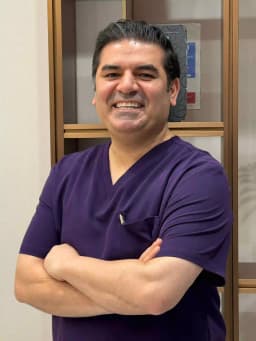
Cosmetic Dentistry Clinic
Cosmetic Dental Team at Cosmetic Dentistry Clinic
With years of experience in cosmetic and restorative dentistry, Cosmetic is dedicated to helping patients achieve their perfect smile through personalised care and cutting-edge techniques.