
Introduction
Many patients feel uncertain about what to expect during their veneer try-in appointment, often wondering whether the temporary veneers will look natural or require adjustments. This crucial stage in the veneer process can cause anxiety, particularly for those who have invested considerable time and money in achieving their ideal smile.
Understanding the veneer try-in appointment helps patients feel more prepared and confident about this important step in their cosmetic dental treatment. During this appointment, you'll have the opportunity to see how your custom-made veneers will look and feel before they're permanently bonded to your teeth.
This article explains the entire try-in process, from initial placement to final adjustments, helping you understand what happens during this pivotal appointment. We'll explore why this stage is essential for achieving optimal results and what factors your dentist will consider when evaluating the fit, appearance, and function of your new veneers.
What happens during a veneer try-in appointment?
A veneer try-in appointment involves placing temporary or trial veneers over your prepared teeth to assess their fit, colour, shape, and overall appearance before permanent bonding. Your dentist will evaluate the aesthetics, check your bite, and make any necessary adjustments to ensure optimal results. This process typically takes 60-90 minutes and allows both you and your dentist to confirm the veneers meet your expectations.
The Purpose and Importance of Veneer Try-In Appointments
The veneer try-in appointment serves as a critical quality control stage in your cosmetic dental treatment. This appointment ensures that your custom-made veneers match your aesthetic goals and function properly within your bite pattern before permanent placement.
During this session, your dentist can identify any issues with colour matching, shape, or fit that may need correction. This proactive approach prevents the need for costly remakes or adjustments after permanent bonding. The try-in process also allows you to visualise your final results and provide feedback about any concerns.
Your dentist will use special temporary cement or try-in paste that holds the veneers in place without permanent bonding. This allows for easy removal and adjustment if necessary. The appointment provides peace of mind for both patient and dentist, supporting satisfaction with the final outcome.
What to Expect During the Try-In Process
Your dentist will begin by carefully cleaning your prepared teeth and ensuring optimal conditions for veneer placement. The temporary veneers are then positioned one by one, starting typically with the central incisors and working outward to maintain symmetry.
Each veneer is checked for proper seating against the tooth preparation, ensuring no gaps or high spots that could affect the final bond. Your dentist will assess the marginal fit where the veneer meets your natural tooth, checking that edges are smooth and properly sealed.
You'll be asked to bite down gently and move your jaw through normal chewing motions. This helps identify any interference with your natural bite pattern that could cause discomfort or damage over time. The try-in process allows for real-time adjustments to achieve optimal comfort and function.
Your dentist will also evaluate the veneers under different lighting conditions to ensure colour consistency and natural appearance in various environments.
Aesthetic Evaluation and Adjustments
The aesthetic assessment forms a crucial part of the try-in appointment, focusing on colour, shape, size, and overall harmony with your facial features. Your dentist will examine how the veneers complement your skin tone, lip line, and existing teeth.
Symmetry between left and right sides receives careful attention, with adjustments made to ensure balanced proportions. The length and width of each veneer are evaluated to create natural-looking teeth that suit your age and gender. Surface texture and translucency are also assessed to mimic the light-reflecting properties of natural enamel.
Your input during this evaluation is essential, as you're the best judge of whether the results meet your expectations. Minor adjustments to shape or surface characteristics can often be made chairside, whilst more significant changes may require laboratory modifications. Digital photography may be taken to document the try-in results and guide any necessary refinements.
The relationship between your new veneers and existing dental work, such as dental crowns or bridges, will also be carefully evaluated to ensure seamless integration.
Functional Assessment and Bite Analysis
Beyond aesthetics, your dentist must ensure that your new veneers function properly within your bite pattern. This involves checking how your upper and lower teeth come together during normal chewing and speaking movements.
Articulating paper may be used to mark contact points between opposing teeth, helping identify any premature contacts or interferences. Your dentist will ask you to perform various jaw movements, including side-to-side grinding motions and forward protrusion, to assess functional harmony.
Speech patterns are also evaluated during the try-in, as veneers can initially affect pronunciation of certain sounds. Minor adjustments to veneer contours can often resolve any speech difficulties identified during this appointment.
The thickness of the veneers is checked to ensure they don't create an overly bulky feeling that could affect lip support or facial appearance. Proper functional assessment prevents future complications such as veneer fracture or TMJ problems related to bite imbalances.
When Professional Dental Assessment May Be Needed
Persistent discomfort, unusual sensitivity, or concerns about the appearance of your try-in veneers should be discussed immediately with your dental team. Any sharp edges, rough surfaces, or areas of food trapping require professional attention before permanent placement.
If you experience difficulty speaking clearly or notice significant changes to your bite pattern during the try-in period, these issues need addressing through professional adjustments. Unusual pressure points or soreness in your jaw muscles may indicate bite problems that require correction.
Aesthetic concerns about colour matching, shape, or size should be communicated openly during the try-in appointment. Your dentist can assess whether adjustments can be made to better meet your expectations before proceeding with permanent bonding.
Any signs of gum irritation or inflammation around the veneer margins warrant immediate evaluation to prevent complications during the healing process.
Maintaining Oral Health During the Veneer Process
Good oral hygiene remains essential throughout the veneer treatment process, including during and after your try-in appointment. Gentle brushing with a soft-bristled toothbrush helps maintain gum health around the prepared teeth without damaging temporary restorations.
Avoid hard or sticky foods that could dislodge temporary veneers between appointments. Chewing ice, pen caps, or fingernails should be avoided to prevent damage to both temporary and permanent restorations. Regular flossing with care around veneer margins helps prevent gum inflammation.
If you have gum disease concerns, these should be addressed before proceeding with permanent veneer placement. Maintaining excellent oral hygiene ensures optimal healing and bonding conditions for your final veneers.
Using an antimicrobial mouthwash as recommended by your dentist can help reduce bacterial levels and promote healthy gums during the treatment process.
Preparing for Your Final Veneer Appointment
Following your try-in appointment, any necessary adjustments will be communicated to the dental laboratory for incorporation into your final veneers. This process typically takes one to two weeks, during which you may wear temporary veneers or return to your natural prepared teeth.
Maintaining excellent oral hygiene during this interim period ensures optimal conditions for permanent bonding. Avoid foods and drinks that could stain your teeth, particularly if you'll be without temporary coverage. Continue any prescribed medications or mouth rinses as directed by your dental team.
Plan for adequate time for your final bonding appointment, which typically takes longer than the try-in visit due to the precise nature of permanent veneer placement. Arrange transportation if sedation will be used, and avoid scheduling important meetings immediately afterward to allow adjustment time.
Your dentist may provide specific pre-appointment instructions, such as avoiding certain foods or medications that could interfere with the bonding process.
Key Points to Remember
- The try-in appointment allows evaluation of fit, appearance, and function before permanent placement
- Both aesthetic and functional aspects are carefully assessed during this crucial appointment
- Patient feedback during the try-in is essential for achieving optimal final results
- Minor adjustments can often be made chairside, whilst major changes may require laboratory work
- Proper oral hygiene throughout the treatment process supports optimal outcomes
- Any concerns about comfort, appearance, or function should be discussed immediately with your dental team
Frequently Asked Questions
How long does a veneer try-in appointment typically take?
A veneer try-in appointment usually takes between 60 to 90 minutes, depending on the number of veneers being fitted and any adjustments required. This allows sufficient time for careful evaluation of both aesthetics and function. Your dentist needs adequate time to assess colour matching, bite alignment, and overall harmony with your facial features. Complex cases or extensive smile makeovers may require longer appointments to ensure optimal results.
Can changes be made if I'm not satisfied with how the veneers look during try-in?
Yes, modifications can often be made during or after the try-in appointment. Minor adjustments to shape, length, or surface texture can sometimes be completed chairside. More significant changes to colour, size, or major shape alterations typically require sending the veneers back to the laboratory for refinement. Your dentist will discuss realistic expectations for modifications and associated timeframes. It's important to communicate any concerns honestly during this appointment.
Will the try-in veneers feel exactly like the final ones?
Try-in veneers provide an excellent preview of your final results, but the temporary cement used may create a slightly different feel compared to permanent bonding. The thickness and surface texture closely match your final veneers, giving you a realistic sense of how they'll feel. Some patients notice minor differences in speech or bite initially, which typically resolve after permanent placement and adjustment period. Your dentist will explain any expected differences between try-in and final sensations.
What happens if my bite feels uncomfortable during the try-in?
If your bite feels uncomfortable or unnatural during the try-in, inform your dentist immediately. They can make adjustments to the veneer contacts to improve comfort and function. Sometimes minor reshaping or bite adjustments resolve these issues quickly. Persistent bite problems may require more extensive modifications or laboratory adjustments before permanent placement. Proper bite alignment is essential for long-term veneer success and oral health.
Can I eat normally with try-in veneers in place?
You should avoid hard, sticky, or chewy foods while wearing try-in veneers, as they're held in place with temporary cement that's less strong than permanent bonding. Soft foods and careful chewing help prevent displacement during the evaluation period. Your dentist may recommend avoiding certain beverages that could stain or affect the temporary cement. Normal eating will be possible after permanent placement and appropriate healing time.
How soon after the try-in can my final veneers be placed?
Final veneer placement typically occurs one to two weeks after the try-in appointment, allowing time for any necessary laboratory adjustments. If no modifications are needed, the appointment can sometimes be scheduled sooner. Complex changes requiring significant laboratory work may extend this timeframe. Your dentist will provide a specific schedule based on your individual case requirements and laboratory processing times.
Conclusion
The veneer try-in appointment represents a crucial milestone in your cosmetic dental journey, providing the opportunity to preview and refine your new smile before permanent placement. This careful evaluation process helps ensure that both aesthetic and functional aspects meet your expectations and clinical requirements.
Understanding what happens during this appointment helps reduce anxiety and enables you to participate actively in achieving optimal results. The collaborative approach between you and your dental team during the try-in process significantly contributes to long-term satisfaction with your veneer treatment.
Taking time for proper evaluation and any necessary adjustments during this stage helps reduce complications and supports the best possible outcome for your investment in cosmetic dentistry. Open communication with your dental team throughout this process supports successful treatment completion.
Regular dental check-ups after veneer placement help maintain their longevity and your overall oral health. Dental symptoms and treatment options should always be assessed individually during a clinical examination.
Disclaimer: This article is for general educational information only and is not personalised dental advice. Diagnosis and treatment recommendations require a clinical examination by a qualified dental professional.
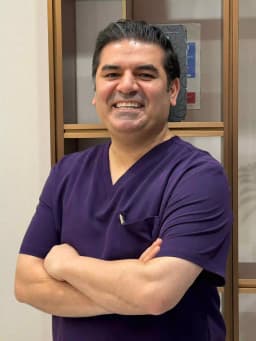
Cosmetic Dentistry Clinic
Cosmetic Dental Team at Cosmetic Dentistry Clinic
With years of experience in cosmetic and restorative dentistry, Cosmetic is dedicated to helping patients achieve their perfect smile through personalised care and cutting-edge techniques.