
Introduction
Many patients hesitate to pursue smile enhancement treatments due to concerns about permanently altering their natural teeth. The thought of removing healthy tooth enamel for traditional veneers can understandably cause anxiety, leading people to search for less invasive alternatives that still deliver exceptional aesthetic results.
The rise of no-prep veneers has transformed cosmetic dentistry by offering patients the opportunity to achieve dramatic smile improvements whilst preserving their natural tooth structure. This innovative approach addresses common concerns about irreversible dental procedures, providing a conservative treatment option that maintains the integrity of healthy enamel.
This article explores how no-prep techniques work, their clinical applications, and what patients should understand about this minimally invasive approach to smile enhancement. We'll examine the science behind these ultra-thin restorations and discuss when this treatment option might be appropriate for achieving cosmetic results without the need for significant tooth preparation.
What Are No-Prep Veneers?
No-prep veneers are ultra-thin porcelain or composite shells that bond directly to the front surface of teeth without requiring the removal of natural tooth enamel. These restorations, typically measuring 0.2-0.3mm in thickness, can address various cosmetic concerns whilst preserving the underlying tooth structure.
Unlike traditional veneers that require the removal of 0.5-0.7mm of enamel, no-prep alternatives work by adding minimal thickness to the tooth's front surface. This approach makes the treatment largely reversible, as the natural tooth remains essentially unchanged beneath the restoration.
How No-Prep Technology Works
The success of no-prep veneers relies on advanced materials and precise fabrication techniques. Ultra-thin porcelain or high-strength composite materials are crafted to exact specifications, allowing them to bond effectively to the natural tooth surface without requiring mechanical retention through enamel removal.
Modern adhesive systems create strong chemical bonds between the restoration and tooth enamel. These bonding agents penetrate the microscopic structure of the tooth surface, creating a durable connection that can withstand normal chewing forces whilst maintaining the restoration's position and appearance.
Digital imaging and computer-aided design ensure precise fit and optimal aesthetics. Each restoration is individually designed to complement the patient's facial features and existing dental anatomy, resulting in natural-looking improvements that enhance rather than dramatically alter the smile's appearance.
Clinical Applications and Suitability
No-prep veneers can effectively address several cosmetic concerns, including minor spacing irregularities, small chips or worn edges, mild discolouration, and slightly undersized teeth. The treatment works particularly well for patients with healthy teeth that require minimal shape modification or colour enhancement.
However, this approach has limitations compared to traditional veneers. Significant colour changes, major shape alterations, or correction of substantial spacing issues may require more comprehensive preparation techniques. The success of no-prep treatment depends largely on the existing tooth shape, position, and the specific aesthetic goals.
Clinical assessment determines whether sufficient space exists for the restoration without creating an overly bulky appearance. Factors such as bite relationship, lip position, and existing tooth contours all influence treatment suitability and expected outcomes.
Understanding Tooth Preservation Benefits
Maintaining natural enamel offers several long-term advantages for dental health. Enamel serves as the tooth's primary protective barrier against bacterial invasion and mechanical wear. Preserving this structure maintains the tooth's natural strength and reduces the risk of future complications.
Reversibility represents another significant benefit of the no-prep approach. Should circumstances change or treatment preferences evolve, the restorations can typically be removed without permanent damage to the underlying tooth structure, allowing for alternative treatment options in the future.
The conservative nature of this treatment also means reduced sensitivity compared to traditional preparation methods. Since the tooth's nerve remains well-protected by the intact enamel layer, patients typically experience minimal discomfort during and after the procedure.
When Professional Assessment May Be Needed
Patients considering cosmetic smile enhancement should seek professional evaluation to determine the most appropriate treatment approach. Factors such as tooth alignment, bite relationship, existing restorations, and overall oral health all influence treatment recommendations and expected outcomes.
Symptoms such as tooth sensitivity, grinding habits, or existing dental work may affect treatment suitability and require specific consideration during treatment planning. A thorough clinical examination helps identify any underlying issues that might impact the success or longevity of cosmetic treatments.
Professional assessment also ensures realistic expectations regarding potential outcomes. Digital imaging and treatment simulations can help patients understand what improvements are achievable through different treatment approaches, supporting informed decision-making about their care.
Maintaining Results and Longevity
The longevity of no-prep restorations depends on several factors, including material selection, oral hygiene practices, and individual habits. Regular dental maintenance and appropriate care techniques help preserve both the restoration's appearance and the health of surrounding tissues.
Avoiding excessive force from habits such as nail-biting, ice-chewing, or using teeth as tools protects the restorations from damage. Professional cleaning and regular check-ups allow for early detection of any issues and help maintain optimal oral health throughout the restoration's lifespan.
Proper oral hygiene techniques, including gentle brushing and regular flossing, prevent plaque accumulation around the restoration margins. This maintenance approach supports both the longevity of the cosmetic work and the ongoing health of the supporting tooth structure.
Key Points to Remember
- No-prep veneers preserve natural tooth enamel whilst achieving significant cosmetic improvements
- The treatment works best for minor to moderate aesthetic concerns rather than major structural changes
- Advanced materials and bonding techniques enable strong, durable results without tooth preparation
- Treatment reversibility offers flexibility for future dental care decisions
- Professional assessment determines individual suitability and expected outcomes
- Proper maintenance and oral hygiene support long-term success
Frequently Asked Questions
How long do no-prep veneers typically last? With proper care and maintenance, no-prep veneers can last 10-15 years or longer. Longevity depends on factors such as material selection, oral hygiene practices, individual habits, and regular professional maintenance. The conservative preparation approach often supports excellent long-term outcomes when clinical protocols are followed appropriately.
Can no-prep veneers address all cosmetic dental concerns? No-prep veneers work effectively for minor spacing, mild discolouration, small chips, and slight shape irregularities. However, significant colour changes, major alignment issues, or substantial structural modifications may require traditional preparation techniques or alternative treatments to achieve optimal results.
Is the no-prep procedure reversible? The minimally invasive nature of no-prep treatment means the underlying tooth structure remains largely intact. Should circumstances change, the restorations can typically be removed without permanent damage to the natural teeth, allowing for alternative treatment approaches if desired in the future.
What happens during a no-prep veneer consultation? Professional consultation includes clinical examination, digital imaging, bite assessment, and discussion of aesthetic goals. Treatment simulations may demonstrate potential outcomes, helping patients understand what improvements are achievable and whether no-prep techniques are appropriate for their specific situation.
How do no-prep veneers compare to traditional veneers in terms of strength? Modern no-prep materials offer excellent strength and durability when properly bonded to healthy enamel. Whilst traditional veneers may provide greater resistance to extreme forces, no-prep alternatives typically withstand normal function effectively whilst offering the advantage of preserving natural tooth structure.
Are there any restrictions after no-prep veneer placement? Patients should avoid extremely hard foods and harmful habits such as nail-biting or ice-chewing. Normal eating and drinking can typically resume shortly after treatment, though specific post-treatment guidance varies based on individual circumstances and the materials used for the restorations.
Conclusion
The advancement of no-prep veneer technology represents a significant development in conservative cosmetic dentistry, offering patients the opportunity to achieve substantial smile improvements whilst preserving their natural tooth structure. This approach addresses many concerns about irreversible dental procedures whilst delivering aesthetic results.
Understanding the capabilities and limitations of no-prep techniques helps patients make informed decisions about their cosmetic dental care. The treatment's conservative nature, combined with modern materials and precise fabrication methods, provides an excellent option for appropriate candidates seeking smile enhancement.
Professional evaluation remains essential for determining treatment suitability and establishing realistic expectations. Individual factors such as tooth condition, aesthetic goals, and oral health status all influence treatment recommendations and expected outcomes.
Disclaimer: This article is for general educational information only and is not personalised dental advice. Diagnosis and treatment recommendations require a clinical examination by a qualified dental professional.
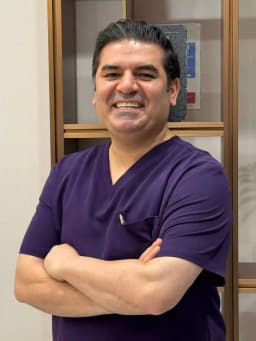
Cosmetic Dentistry Clinic
Cosmetic Dental Team at Cosmetic Dentistry Clinic
With years of experience in cosmetic and restorative dentistry, Cosmetic is dedicated to helping patients achieve their perfect smile through personalised care and cutting-edge techniques.