
Introduction
If you've been told you need dentures — or you're looking to replace an older set — you've probably found yourself searching for information about cost, comfort, and which type might suit you best. It's a very common concern, and one that leads many patients to seek clear, honest guidance from dental practices in London.
Flexible dentures have become an increasingly popular option in recent years, and many people want to understand how the flexible dentures cost compares to traditional alternatives and whether the investment is genuinely worthwhile. With varying prices quoted online and limited explanation of what influences the final figure, it can be difficult to know what to expect.
This article will explain what flexible dentures are, how they differ from conventional dentures, what factors affect their cost, and the clinical considerations that may determine whether they're a suitable choice for you. We'll also cover maintenance, longevity, and when it may be appropriate to speak with a dental professional about your options.
Understanding the full picture — not just the price — can help you feel more confident when discussing denture options with your dentist. If you are new to the topic, it may help to start with what flexible dentures are and who they may suit.
How much do flexible dentures cost in the UK?
The cost of flexible dentures in the UK typically ranges from £400 to £1,200 per arch, depending on the number of teeth being replaced, the complexity of the case, and the dental practice. Flexible dentures cost more than standard acrylic dentures due to their specialist materials and enhanced comfort. A clinical consultation is needed to confirm individual pricing.
What Are Flexible Dentures?
Flexible dentures are a type of removable partial denture made from a lightweight, biocompatible thermoplastic material — most commonly nylon-based resins such as Valplast or TCS. Unlike traditional rigid acrylic or metal-framed dentures, flexible dentures use the natural elasticity of the material to clip around existing teeth without the need for visible metal clasps.
They are designed to blend more naturally with the gums and surrounding tissues, offering an aesthetically discreet option for patients who are missing one or more teeth but still have healthy teeth remaining.
Flexible dentures are most commonly used as partial dentures. They are not typically recommended as full dentures, since the flexibility of the material may not provide sufficient structural support when replacing an entire arch of teeth. However, for patients seeking a comfortable, lightweight, and natural-looking partial denture, they can be a suitable choice.
It's important to note that suitability depends on individual clinical factors, including the health of remaining teeth, the condition of the gums, and the overall oral health of the patient. A thorough dental assessment is always the first step.
What Factors Affect the Cost of Flexible Dentures?
Several factors influence how much you can expect to pay for flexible dentures, and understanding these can help you make sense of the quotes you may receive.
Number of teeth being replaced: A single-tooth flexible denture will naturally cost less than one replacing several teeth across an arch. The more teeth involved, the more complex the design and fabrication process.
Location of the dental practice: Dental fees in London tend to be higher than in other parts of the UK, reflecting higher overheads and the availability of specialist dental laboratories.
Laboratory and material quality: Flexible dentures require specialist dental laboratories experienced in working with thermoplastic materials. Higher-quality materials and more experienced technicians may result in a better fit and longer-lasting denture, but can also affect the overall cost.
Complexity of the case: If you have an uneven bite, existing dental restorations, or areas of gum recession, additional clinical time and design adjustments may be necessary.
Preparatory treatments: Some patients may require preliminary dental work — such as treatment for gum disease or extraction of damaged teeth — before dentures can be fitted. These costs are separate from the denture itself.
Your dentist will be able to provide a detailed treatment plan and cost breakdown following a clinical examination. If you are also comparing materials, our guide to flexible dentures vs acrylic dentures offers useful added context.
Flexible Dentures vs Traditional Dentures: Key Differences
When weighing up your options, it helps to understand how flexible dentures compare clinically and practically to more traditional alternatives.
Acrylic dentures are the most common and affordable type. They are rigid, can replace partial or full arches, and often use metal clasps to grip onto adjacent teeth. Whilst functional and widely available, some patients find them bulky or uncomfortable, and the metal clasps can be visible when smiling.
Cobalt-chrome dentures feature a metal framework that is thinner and stronger than acrylic. They tend to feel less bulky in the mouth and offer good durability. However, metal components remain visible in some designs.
Flexible dentures offer a middle ground: they are lighter than acrylic, clasp-free in appearance, and generally more comfortable for many patients. However, they may not be as durable as cobalt-chrome options over the long term and are not suitable for all clinical situations.
No single denture type is universally superior. The most suitable option depends on your individual oral health, the number and position of missing teeth, your lifestyle, and your budget. If you're considering options for replacing missing teeth, a consultation to discuss denture treatments can help clarify which approach may work best for you.
The Dental Science Behind Flexible Denture Materials
Understanding the materials used in flexible dentures helps explain both their advantages and their limitations.
Traditional acrylic dentures are made from polymethyl methacrylate (PMMA), a rigid polymer that is strong but inflexible. It can be adjusted and repaired relatively easily in a dental laboratory. However, its rigidity means it relies on precise fit and, in partial dentures, metal clasps to remain stable.
Flexible dentures use thermoplastic nylon-based resins. These materials have a degree of elasticity, which allows the denture to flex slightly when being inserted and removed, and to adapt gently to the contours of the gum tissue. This flexibility means they can grip around the natural curvature of teeth without needing metal clasps.
The nylon material is also translucent to a degree, allowing the natural colour of the gum tissue to show through. This contributes to the more natural appearance that many patients appreciate.
However, thermoplastic materials cannot be easily relined or adjusted in the same way as acrylic. Over time, as the shape of the gums and underlying bone changes — a natural process following tooth loss — the fit of a flexible denture may deteriorate, potentially requiring a complete remake rather than a simple adjustment. This is an important factor when considering long-term value.
Benefits of Flexible Dentures
Flexible dentures offer several advantages that make them appealing to many patients:
- Comfort: The lightweight, flexible material tends to feel less bulky in the mouth than rigid acrylic. Many patients report that flexible dentures feel more natural against the gum tissue.
- Aesthetics: Without visible metal clasps, flexible dentures are more discreet. The translucent base material blends well with the natural gum colour.
- Biocompatibility: The nylon-based materials used are generally well tolerated, and allergic reactions are rare. This can be beneficial for patients who have sensitivities to certain metals or acrylic components.
- Reduced risk of fracture: Unlike rigid acrylic, which can crack or snap if dropped, flexible dentures are more resistant to breakage due to their inherent elasticity.
- Less invasive preparation: Because they grip naturally around teeth, there is often less need to modify or prepare adjacent teeth to accommodate the denture.
These benefits make flexible dentures a particularly suitable option for patients seeking a comfortable and natural-looking partial denture solution. However, benefits should always be weighed against individual clinical needs, and your dentist can advise on whether flexible dentures are appropriate for your situation.
Limitations and Considerations
Whilst flexible dentures have clear advantages, it is equally important to be aware of their limitations so that expectations are realistic.
Longevity: Flexible dentures may not last as long as cobalt-chrome alternatives. Depending on care and usage, they typically last between three and five years, though this varies. Traditional cobalt-chrome dentures can often last longer with proper maintenance.
Relining and repairs: As mentioned, thermoplastic materials are more difficult to reline. If the fit changes over time, a new denture may be needed rather than a simple adjustment.
Not suitable for all cases: Flexible dentures are generally best suited to partial denture situations. They may not provide adequate support for full dentures or in cases of significant bone loss.
Plaque accumulation: The slightly porous surface of some flexible denture materials can harbour bacteria if not cleaned thoroughly, making diligent hygiene important.
Cost over time: Whilst the upfront cost may be moderate, the potential need for more frequent replacement should be factored into long-term budgeting.
These considerations do not make flexible dentures a poor choice — they simply highlight the importance of an individual clinical assessment to determine the most suitable option.
When Professional Dental Assessment May Be Needed
If you are missing one or more teeth, or if your current dentures are becoming uncomfortable, it may be helpful to arrange a dental consultation. There are several situations where professional assessment is particularly important:
- Loose or ill-fitting dentures: Dentures that move, rub, or cause sore spots may need adjustment or replacement. Poorly fitting dentures can contribute to gum irritation and may affect eating and speech.
- Changes in your bite or jaw alignment: If you notice that your bite feels different or that your face shape has changed, this may indicate bone resorption, which is a natural process following tooth loss.
- Gum soreness or inflammation: Persistent redness, swelling, or tenderness beneath a denture should be evaluated to rule out underlying issues such as gum disease or fungal infection.
- Difficulty eating or speaking: If your dentures are affecting daily function, a dental professional can assess whether a different type of denture — or an alternative such as dental implants — might be more appropriate.
- Interest in exploring alternatives: If you're considering transitioning from one denture type to another, or exploring fixed options, a clinical assessment will help determine the most suitable approach.
Early professional advice can help prevent minor issues from developing into more significant problems.
Caring for Flexible Dentures: Prevention and Oral Health Advice
Proper care of your flexible dentures is essential to maintain their appearance, hygiene, and longevity. Here are some practical recommendations:
Daily cleaning: Clean your flexible dentures at least twice a day using a soft-bristled brush and a non-abrasive denture cleanser. Avoid regular toothpaste, which can be too abrasive and may scratch the surface.
Soaking: Soak your dentures in a recommended cleaning solution as advised by your dentist. This helps remove bacteria and staining that brushing alone may not address.
Handle with care: Although flexible dentures are more resistant to breakage than acrylic, they should still be handled carefully. Clean them over a basin of water or a soft towel to cushion any accidental drops.
Maintain oral hygiene: Even with dentures, it is important to brush your remaining natural teeth, gums, and tongue thoroughly. Good oral hygiene helps protect your remaining teeth and supports the longevity of your dentures.
Regular dental check-ups: Attend routine dental check-ups to allow your dentist to monitor the fit of your dentures, the health of your gums, and the condition of your remaining teeth. Early intervention can prevent small problems from becoming larger concerns.
Avoid hot water: Do not place flexible dentures in boiling or very hot water, as this can distort the thermoplastic material and alter the fit.
Key Points to Remember
- Flexible dentures typically cost between £400 and £1,200 per arch in the UK, with several factors influencing the final price. Prices may vary, and a full treatment plan with itemised costs will be provided following a clinical consultation.
- They may offer improved comfort and aesthetics compared to traditional acrylic dentures, particularly for partial tooth replacement.
- Flexible dentures are not suitable for every clinical situation — a professional assessment is essential to determine the most suitable option.
- Long-term costs should be considered, as flexible dentures may require replacement more frequently than some alternatives.
- Diligent daily cleaning and regular dental visits are important to maintain denture hygiene and oral health.
- Treatment suitability and outcomes vary between individuals and depend on clinical assessment.
Frequently Asked Questions
Are flexible dentures better than acrylic dentures?
Flexible dentures offer certain advantages over acrylic dentures, including improved comfort, a more natural appearance, and the absence of visible metal clasps. They are also less likely to fracture if dropped. However, acrylic dentures are easier to reline and adjust, may last longer in some cases, and are generally more affordable. Neither type is inherently better — the most suitable option depends on your individual clinical needs, the number and location of missing teeth, and your personal preferences. A dental professional can help you compare the options based on your specific situation.
How long do flexible dentures last?
With proper care, flexible dentures typically last between three and five years. However, longevity depends on several factors, including how well they are maintained, the rate of bone and gum changes following tooth loss, and the quality of the materials used. Over time, the fit may change as the underlying bone remodels, and because flexible dentures are more difficult to reline than acrylic alternatives, a replacement may be needed sooner. Regular dental check-ups help monitor the fit and condition of your dentures so that any issues can be addressed promptly. For a deeper look at lifespan and maintenance, see how long flexible dentures last.
Can flexible dentures be used to replace all teeth?
Flexible dentures are generally designed for partial tooth replacement rather than full arches. The flexibility of the material, whilst beneficial for comfort and aesthetics, may not provide sufficient rigidity and support when replacing an entire set of teeth. For patients who need full dentures, traditional acrylic or cobalt-chrome options tend to offer better structural stability. In some cases, implant-supported dentures may also be considered. Your dentist will be able to advise on the most appropriate solution based on a thorough clinical examination.
Do flexible dentures look natural?
One of the commonly reported appeals of flexible dentures is their natural appearance. The translucent nylon-based material allows the colour of the underlying gum tissue to show through, creating a realistic look. Additionally, the absence of metal clasps means there are no visible metal components when you smile or speak. When well-designed and properly fitted, flexible dentures can be very difficult to distinguish from natural teeth and gums. However, achieving the best aesthetic result depends on accurate impressions, skilled laboratory work, and a good clinical fit.
Can I eat normally with flexible dentures?
Most patients find that they can eat comfortably with well-fitting flexible dentures, though there may be an initial adjustment period. Softer foods are recommended during the first few days whilst you become accustomed to the denture. Over time, most patients are able to eat a wide range of foods, although very hard or sticky items may still require care. If you experience ongoing difficulty eating, or if your dentures move during meals, this may indicate a fit issue that should be assessed by your dentist. Proper denture fit is essential for comfortable function.
Are flexible dentures suitable if I have gum disease?
Flexible dentures can be fitted for patients with a history of gum disease, but the gum disease must first be brought under control. Active gum disease can affect the stability of remaining teeth and the health of the gum tissue, which in turn affects how well any denture fits and functions. Your dentist may recommend a course of periodontal treatment before proceeding with denture fabrication. Maintaining excellent oral hygiene and attending regular dental appointments is particularly important for denture wearers with a history of gum disease to help prevent recurrence.
Conclusion
Choosing the right type of denture is an important decision, and understanding the flexible dentures cost, benefits, and limitations is an essential part of that process. Flexible dentures offer a comfortable, natural-looking option for many patients, particularly those seeking partial tooth replacement without visible metal clasps. However, they are not the ideal solution for every clinical situation, and factors such as long-term durability, maintenance requirements, and individual oral health all play a role in determining the best choice.
The most important step is to have an open conversation with your dentist about your needs, preferences, and budget. With a thorough clinical examination, your dental professional can recommend the most appropriate option and provide a personalised treatment plan.
Good oral health begins with informed decisions and regular professional care. If you have concerns about missing teeth or your current dentures, seeking early dental advice can help you explore your options with confidence.
Disclaimer: This article is for general educational information only and is not personalised dental advice. Diagnosis and treatment recommendations require a clinical examination by a qualified dental professional.
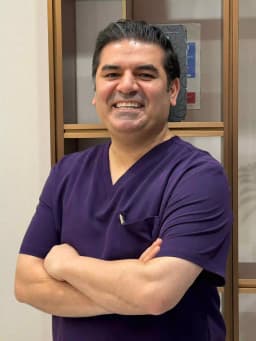
Cosmetic Dentistry Clinic
Cosmetic Dental Team at Cosmetic Dentistry Clinic
With years of experience in cosmetic and restorative dentistry, Cosmetic is dedicated to helping patients achieve their perfect smile through personalised care and cutting-edge techniques.