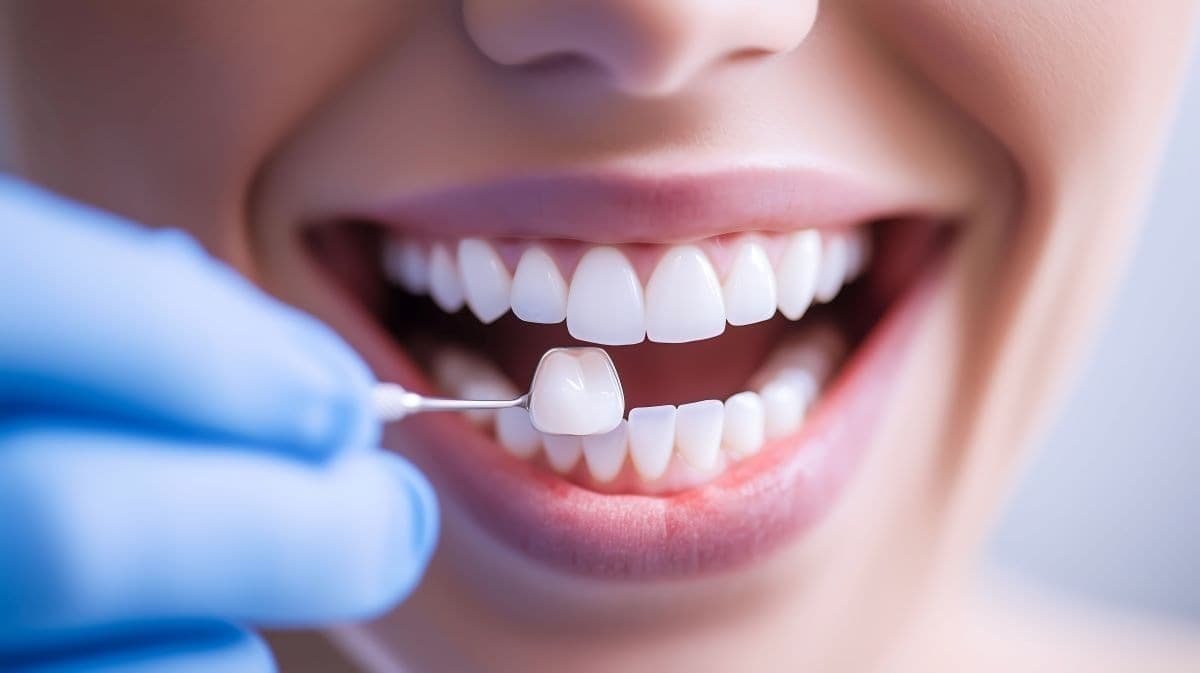
As we age, our teeth naturally change. Years of use, dietary exposure, and everyday wear can gradually reduce tooth height and alter the overall appearance of the smile. These changes are subtle but cumulative — and for some individuals, they may influence how the face appears at rest and during expression. The concept of a "dental facelift" has gained attention as a way to describe how restoring tooth structure, particularly with porcelain veneers London clinicians offer, may help support a more balanced facial profile.
This guide explores what a "dental facelift" actually means in clinical terms, the dental science behind vertical dimension, and how porcelain veneers may be used to restore tooth height and proportion — with emphasis on realistic expectations, informed consent, and individualised treatment planning.
What Is a "Dental Facelift"?
The term "dental facelift" is not a formal clinical term, but rather a descriptive phrase used to explain how certain dental treatments — particularly those involving the restoration of worn or shortened teeth — may have a supportive effect on facial appearance. It is important to set clear expectations from the outset: this is not a surgical facelift, nor is it a substitute for cosmetic surgery or injectable treatments.
How Does Dental Restoration Relate to Facial Appearance?
The teeth play a structural role in the lower third of the face. They support the lips, influence the position of the chin relative to the nose, and affect the overall vertical proportion of the face. When teeth lose height through wear, erosion, or damage, these supporting structures can be subtly affected.
A "dental facelift" typically involves restoring this lost tooth structure — often through porcelain veneers, crowns, or a combination of treatments — with the goal of re-establishing natural proportions. The approach is part of a broader philosophy of smile makeovers that considers the relationship between teeth, lips, and facial structure as a whole.
The degree to which these changes are visible varies significantly between individuals. For some, the effect may be subtle; for others, it may be more noticeable. In all cases, the outcome depends on the individual's anatomy, the extent of tooth wear, and the clinical plan developed in partnership with the patient.
The Aging Smile: What Happens to Your Teeth Over Time
Understanding why teeth change with age helps to contextualise why restorative treatments may be considered. Tooth wear is a natural and expected process, but its effects can be accelerated by certain habits, dietary factors, and medical conditions.
What Causes Teeth to Wear Down?
Several factors contribute to the gradual loss of tooth structure over time:
- Attrition: Tooth-on-tooth contact during chewing and, particularly, during grinding (bruxism) gradually wears down the biting surfaces and edges of teeth
- Erosion: Acidic foods, beverages, and conditions such as acid reflux can dissolve enamel over time, thinning the protective outer layer of teeth
- Abrasion: Overly aggressive brushing or the use of abrasive toothpastes can contribute to enamel loss, particularly at the gum line
- Abfraction: Flexural stresses on teeth — often related to bite imbalances — can cause small notches to form at the base of teeth near the gum line
How Does Tooth Wear Affect the Smile?
As teeth wear, several visible changes may occur. The biting edges of front teeth become flatter and shorter, reducing the visible tooth display when smiling or speaking. The cusps of back teeth may flatten, affecting how the teeth come together. Teeth may appear darker as the underlying dentine becomes more visible through thinning enamel.
These changes can sometimes be managed conservatively. In cases of mild wear, composite bonding may be used to restore small areas of lost structure. For more significant wear affecting multiple teeth, porcelain veneers or other restorations may be considered as part of a comprehensive treatment plan.
Does Tooth Wear Affect Facial Appearance?
In some individuals, significant tooth wear can contribute to subtle changes in facial proportions. When the vertical height of the teeth is reduced, the distance between the nose and chin may decrease slightly. This can, in some cases, contribute to a deepening of lines around the mouth and a reduction in lip support. However, facial aging is a complex process influenced by many factors — including skin elasticity, bone remodelling, and soft tissue changes — and tooth wear is only one element within this broader picture.
Vertical Dimension Explained
Vertical dimension is a fundamental concept in dentistry that describes the height relationship between the upper and lower jaws. Understanding this concept is key to appreciating how restorative dental treatment can influence facial proportions — and why clinical precision is so important in treatment planning.
What Is Vertical Dimension of Occlusion?
The vertical dimension of occlusion (VDO) refers to the distance between two fixed points — typically the nose and the chin — when the teeth are in maximum contact. This measurement reflects the combined height of the upper and lower teeth and the jaw bones that support them.
When teeth wear down significantly, the VDO may decrease. This means the lower face effectively becomes slightly shorter, which can alter facial proportions. Restoring the VDO through dental treatment involves rebuilding tooth structure to re-establish the original vertical relationship — or, in some cases, a slightly increased one if clinically appropriate.
How Does Vertical Dimension Influence Lip Support and Perioral Tissues?
The teeth and underlying bone provide structural support to the lips and the tissues surrounding the mouth (perioral tissues). When vertical dimension is reduced, the lips may lose some of their support, which can contribute to a thinner lip appearance and more prominent lines or folds around the mouth.
It is important to emphasise that this is a dental anatomy concept, not a cosmetic surgery principle. Restoring vertical dimension through dental treatment aims to re-establish the structural support that teeth naturally provide — not to replicate the effects of dermal fillers or surgical procedures. The extent to which restoring VDO visibly affects facial appearance varies between individuals and depends on multiple factors beyond tooth height alone.
Can Vertical Dimension Be Measured Accurately?
Yes. Clinicians use a combination of clinical measurements, photographic analysis, and diagnostic records to assess vertical dimension. These may include facebow recordings, centric relation assessments, and analysis of existing restorations or old photographs to estimate the patient's original tooth proportions. This diagnostic process helps ensure that any restoration is planned to a specific, clinically appropriate height rather than an arbitrary one.
How Porcelain Veneers Restore Tooth Height
Porcelain veneers are thin shells of dental ceramic that are bonded to the front surfaces of teeth. While they are commonly associated with improving tooth colour and alignment, their role in restoring tooth height and proportion is equally significant — and is central to the "dental facelift" concept.
What Is the Architectural Design Process for Veneers?
Designing veneers to restore facial proportion is more complex than simply making teeth whiter or straighter. It requires careful attention to:
- Tooth length: Restoring the original height of teeth that have been shortened by wear, taking into account the ideal proportions for the patient's face
- Width-to-length ratio: Natural-looking teeth typically have a specific proportional relationship between their width and height. Veneers are designed to respect these proportions
- Incisal edge position: The position of the biting edges of the upper front teeth is critical to both smile aesthetics and function. It influences how much tooth is visible at rest, during speech, and when smiling
- Gum line harmony: The relationship between the veneers and the gum tissue is carefully considered to ensure a balanced appearance
- Colour and translucency: Modern porcelain veneers can be crafted to mimic the subtle colour variations and translucency of natural teeth
How Is Treatment Planned?
Comprehensive veneer treatment planning typically involves several stages:
- Clinical examination: A thorough assessment of tooth condition, gum health, and bite function
- Radiographic imaging: X-rays to evaluate root health, bone levels, and any underlying issues
- Photographic records: Standardised photographs of the face and smile from multiple angles to guide aesthetic planning
- Diagnostic wax-up or digital design: A physical or digital mock-up of the proposed veneer design, allowing both clinician and patient to visualise the intended outcome before any tooth preparation begins
- Trial smile: In some cases, a temporary composite mock-up can be placed over the existing teeth to give the patient a preview of the proposed changes
This level of planning ensures that the final veneers are not only aesthetically pleasing but also functionally sound and supportive of the overall facial profile. When combined with professional teeth whitening, the overall smile aesthetic can be enhanced further — though whitening is typically considered as a complementary step rather than a core component of vertical dimension restoration.
What a "Dental Facelift" Can (and Can't) Do
Setting realistic expectations is one of the most important aspects of any aesthetic dental treatment. While the results of well-planned veneer treatment can be significant, it is essential to understand what falls within the scope of dental restoration and what does not.
What Supportive Changes Might Veneers Provide?
When teeth are restored to their appropriate height and proportion, patients may notice:
- Improved tooth display when smiling and speaking
- Enhanced lip support, which may subtly influence the appearance of the lower face
- A more balanced facial profile, particularly in the lower third of the face
- Greater confidence in the appearance of their smile
- Improved function, particularly if wear had begun to affect the bite
What Are the Limitations?
It is equally important to be clear about what veneers cannot do:
- Veneers cannot replicate the effects of a surgical facelift or cosmetic procedures such as dermal fillers or Botox
- They do not address skin laxity, deep wrinkles, or volume loss in areas beyond the immediate dental structures
- The degree of visible facial change varies significantly between individuals — some patients may notice a subtle difference, while others may see little perceptible change in their overall facial appearance
- Veneers are a dental treatment, not an anti-aging intervention
The focus should always be on dental health and balance, with any aesthetic benefits to the wider face viewed as a potential secondary outcome rather than the primary goal.
Candidacy and Clinical Assessment
Not everyone is a suitable candidate for porcelain veneers, and a thorough clinical assessment is essential before any treatment can be recommended. This section outlines the key factors that influence suitability.
Who Might Benefit from Veneers for Vertical Dimension Restoration?
Patients who may benefit from this type of treatment typically present with one or more of the following:
- Significant tooth wear affecting the height and appearance of multiple teeth
- Loss of tooth structure due to erosion, bruxism, or a combination of factors
- Reduced vertical dimension that is clinically measurable and contributing to functional or aesthetic concerns
- A desire to restore their smile to a more proportionate and balanced state
What Does the Assessment Involve?
A comprehensive assessment for veneer candidacy typically includes:
- Bite analysis: Evaluating how the upper and lower teeth come together, including any signs of malocclusion or abnormal wear patterns
- Occlusal assessment: Checking for signs of grinding, clenching, or temporomandibular joint (TMJ) concerns that might affect treatment planning or longevity
- Gum health evaluation: Ensuring the supporting tissues are healthy before any restorative work begins
- Radiographic examination: X-rays to assess root health, bone levels, and any underlying pathology
- Discussion of habits: Understanding whether the patient has habits such as bruxism that may require additional management (such as a night guard) to protect the veneers
The Role of Informed Consent
Informed consent is a cornerstone of ethical dental practice. Before proceeding with any veneer treatment, patients should receive clear information about:
- The proposed treatment plan and its rationale
- The benefits and potential risks involved
- Alternative treatment options that may achieve similar goals
- The expected longevity of the restorations and what maintenance is required
- The costs involved and any financing options available
Patients should feel empowered to ask questions, seek additional opinions, and take time to consider their decision without any sense of pressure or urgency.
Realistic Expectations and Maintenance
Understanding what to expect after veneer placement — and how to care for your investment — is an important part of the treatment journey.
How Long Do Porcelain Veneers Typically Last?
With appropriate care, porcelain veneers can last for many years — often a decade or more. However, longevity is influenced by several factors:
- Oral hygiene: Consistent brushing, flossing, and professional cleaning help maintain both the veneers and the underlying teeth
- Dietary habits: Avoiding excessively hard foods (such as chewing ice or hard sweets) can help prevent chipping or fracture
- Bruxism management: Patients who grind or clench their teeth may be advised to wear a protective night guard to reduce stress on the veneers
- Regular dental check-ups: Ongoing monitoring allows any issues to be identified and addressed early
What Maintenance Is Required?
Caring for porcelain veneers is largely the same as caring for natural teeth. Good oral hygiene practices — brushing twice daily with a non-abrasive toothpaste, flossing daily, and attending regular hygiene appointments — form the foundation of veneer maintenance.
It is also important to attend follow-up appointments as recommended by your clinician. These allow the condition of the veneers and the underlying teeth to be monitored, and any adjustments to be made if necessary.
What Happens If a Veneer Is Damaged?
While porcelain is a durable material, veneers can occasionally chip or debond. In most cases, these issues can be managed effectively — a debonded veneer can often be re-cemented, and a chipped veneer may be repairable depending on the extent of the damage. In some cases, a veneer may need to be replaced. Having a long-term relationship with your dental team ensures that any issues can be addressed promptly and effectively.
Confidence Through Balance, Not Perfection
The goal of restorative dental treatment is not to achieve an unrealistic standard of perfection, but to restore balance, proportion, and function in a way that supports overall wellbeing. A well-planned veneer treatment can help patients feel more comfortable and confident in their smile — and that confidence often extends beyond aesthetics into broader aspects of daily life.
Every smile is unique, and treatment should reflect individual goals and anatomy rather than a one-size-fits-all ideal. The best outcomes arise from a collaborative relationship between patient and clinician, built on trust, transparency, and shared decision-making.
If you would like to explore whether porcelain veneers may be suitable for you, you can view smile transformations from previous patients to gain a sense of what may be achievable. When you are ready to take the next step, book a consultation with our clinical team to discuss your individual needs and receive personalised guidance. You may also wish to Join Our Dental Membership for ongoing supportive care and exclusive benefits as part of your long-term dental health journey.
Disclaimer: This article is for general educational information only and is not personalised dental advice. Diagnosis and treatment recommendations require a clinical examination by a qualified dental professional.
Cosmetic Dental Team
Cosmetic Dentistry Clinic at Cosmetic Dentistry Clinic
With years of experience in cosmetic and restorative dentistry, Cosmetic is dedicated to helping patients achieve their perfect smile through personalised care and cutting-edge techniques.